How to Know if Pilates Is Right for You

Pole-ates Playhouse – Your Hub for Mindful Movement

Pilates, with its focus on core strength, flexibility, and mind-body connection, has become a beloved practice for individuals seeking improved physical fitness and overall well-being. But how do you know if Pilates is the right choice for you? In this blog post, we’ll explore some key considerations to help you determine if Pilates aligns with your fitness goals and preferences.

1. Are You Looking for a Low-Impact Exercise?

Pilates is known for its low-impact nature, making it suitable for individuals of various ages and fitness levels. If you’re looking for an exercise routine that’s gentle on the joints while still delivering a full-body workout, Pilates is an excellent choice. It’s easy on the knees, hips, and spine, making it accessible to those with minor injuries or chronic conditions.

2. Do You Want to Strengthen Your Core?

Pilates is often associated with core strength, and for good reason. The practice places a strong emphasis on developing the muscles of the abdomen, back, and pelvis, which can lead to improved posture, stability, and a toned midsection. If you’re seeking to strengthen your core and improve your overall body alignment, Pilates is an effective method.

3. Are You Interested in Mindful Movement?

Pilates isn’t just about physical exercise; it’s also about mindfulness and body awareness. If you appreciate exercise routines that encourage you to be present in the moment, connect with your breath, and focus on the subtleties of movement, Pilates offers a meditative aspect that many find rewarding. It’s an opportunity to cultivate a deeper mind-body connection.

4. Do You Want to Enhance Flexibility?

Pilates incorporates a range of stretching exercises that can lead to improved flexibility and range of motion. If you’re looking to increase your flexibility, whether to support other physical activities or simply to move more freely in your daily life, Pilates can help you achieve your goals.

5. Are You Seeking a Versatile Workout?

Pilates is incredibly versatile. It can be adapted to suit a wide range of fitness goals, from building strength and endurance to improving balance and coordination. Whether you’re an athlete looking to cross-train, a senior aiming to maintain mobility, or someone in search of a well-rounded workout, Pilates can be tailored to meet your specific needs.

6. Do You Enjoy Group Classes or Personal Training?

Pilates is offered in various formats, including group classes and one-on-one sessions with a certified instructor. Consider your preference for social interaction and personalized instruction when deciding if Pilates is right for you. Group classes offer camaraderie and affordability, while personal training allows for individualized attention.

7. Are You Committed to Consistency?

Like any exercise routine, consistency is key to experiencing the benefits of Pilates. If you’re willing to commit to regular practice, Pilates can lead to noticeable improvements in strength, flexibility, and overall fitness. Set achievable goals and create a schedule that works for you to ensure consistency in your Pilates practice.

In Conclusion

Pilates is a versatile and accessible form of exercise that can benefit people of all ages and fitness levels. By considering your fitness goals, preferences, and commitment to consistency, you can determine if Pilates is the right choice for you. Whether you’re looking to strengthen your core, enhance flexibility, or simply enjoy mindful movement, Pilates can be a rewarding addition to your fitness journey.
Perfecting Your Pole Grip: Tips for Maximum Stability

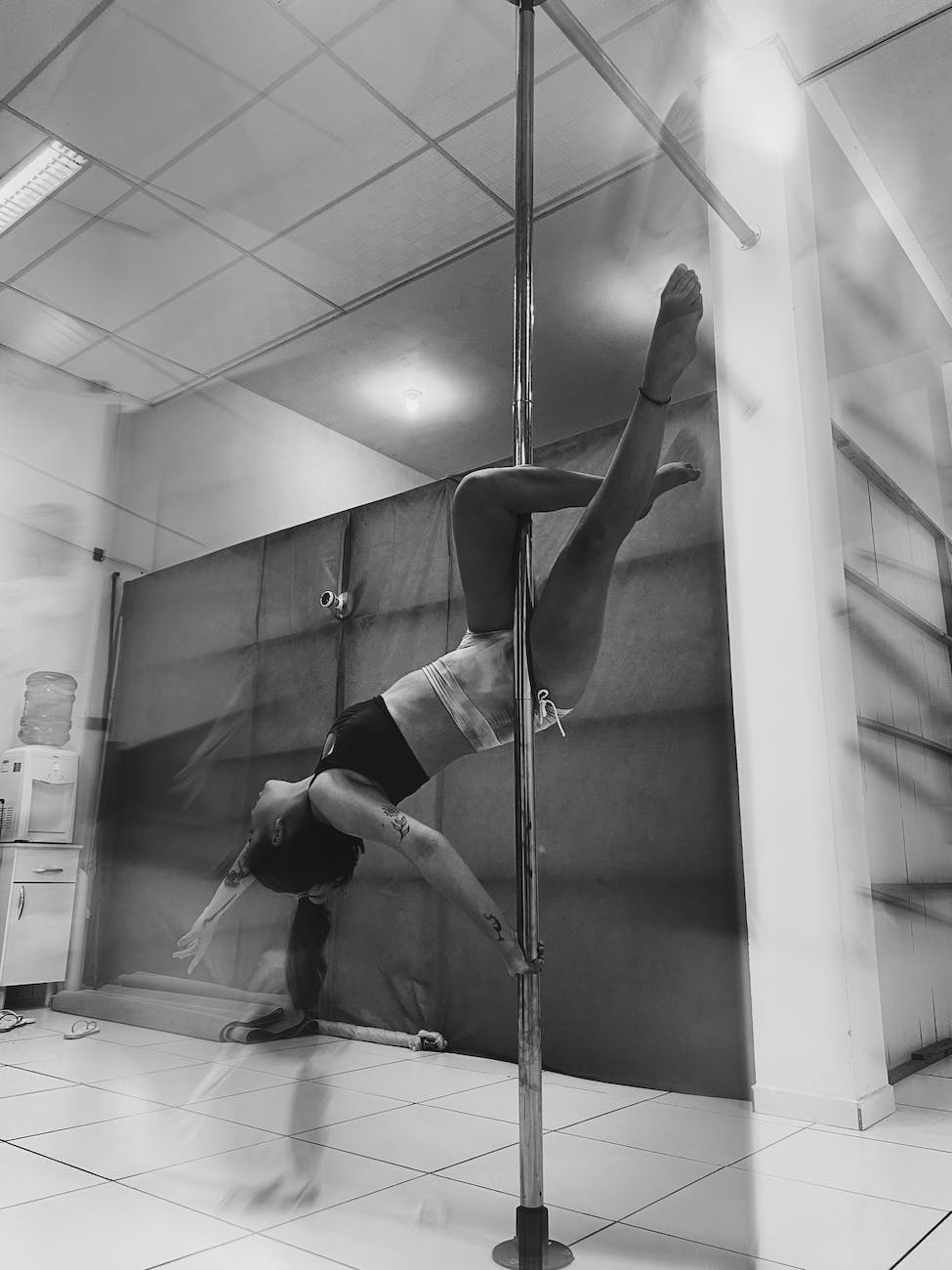
In the realm of pole dancing, a strong and secure grip is your foundation for executing mesmerizing spins, gravity-defying tricks, and seamless transitions. Your pole grip plays a pivotal role in ensuring your safety, enhancing your performance, and boosting your confidence. Whether you’re a beginner or an experienced pole dancer, mastering the art of grip technique is essential for achieving maximum stability and pushing your boundaries. In this blog post, we’ll delve into the world of pole grip and share valuable tips to help you perfect your technique for unparalleled stability.

Understanding the Importance of Pole Grip

Your grip on the pole serves as the anchor that connects your body to the apparatus. A reliable grip allows you to control your movements, maintain balance, and execute advanced tricks with precision. A weak or improper grip can lead to slips, falls, and potential injuries. By honing your grip technique, you not only enhance your performance but also cultivate confidence that shines through your routines.

Tips for Achieving a Rock-Solid Pole Grip

  1. Dry Hands Are Essential: Moisture can undermine your grip. Ensure your hands are thoroughly dry before you start your routine. Consider using a grip-enhancing product like liquid chalk, grip aid lotion, or a grip powder to maintain a secure hold even during intense sweat sessions.
  2. Proper Pole Cleaning: A clean pole is crucial for grip stability. Regularly clean the pole’s surface to remove any buildup of body oils, lotions, or residues that can compromise your grip.
  3. Warm-Up and Warm Hands: Begin your pole session with a proper warm-up routine. Gently rotate your wrists and fingers to increase blood flow and flexibility. Warm hands tend to grip better than cold ones.
  4. Mind Your Hand Placement: Pay close attention to where you place your hands on the pole. The point of contact should be aligned with the natural curve of your fingers, avoiding placing them too high or too low on the pole.
  5. Finger Strength Matters: Your fingers play a vital role in your grip. Strengthen your finger muscles through exercises like finger hangs and towel pulls to enhance your ability to hold onto the pole securely.
  6. Engage Your Wrist Flexors: Your wrist flexors provide crucial support for your grip. Focus on engaging these muscles as you hold onto the pole, creating a firm connection between your hands and wrists.
  7. Practice Proper Pressure: Avoid squeezing the pole too tightly, as this can lead to premature fatigue. Instead, find a balance between a secure grip and maintaining a degree of relaxation in your hands and arms.
  8. Use Your Thumb: Your thumb acts as a stabilizer for your grip. Gently press your thumb against the pole, opposing the pressure from your fingers, to create a stronger hold.
  9. Learn Different Grip Styles: Pole dancers use various grip styles, such as the cup grip, split grip, and twisted grip. Explore and practice these different techniques to adapt to various tricks and movements.
  10. Focus on Core Engagement: A strong core enhances your overall stability on the pole. Engage your core muscles to support your grip and maintain control over your movements.

A solid pole grip is the cornerstone of successful pole dancing. By incorporating these tips into your practice, you’ll develop the strength, technique, and confidence needed to achieve maximum stability. Remember, mastering your pole grip is a gradual process that requires consistent practice and mindfulness. As you continue to refine your grip technique, you’ll unlock a new level of control, fluidity, and artistry in your pole dancing journey. So, embrace the pole, perfect your grip, and elevate your performances to new heights.

Nurturing Your Well-Being: The Art of Prioritizing Rest for Pilates During the Holiday Season

As the holiday season approaches, the whirlwind of festive activities and social gatherings can often lead to a hectic schedule. Amidst the celebrations, it’s crucial for Pilates enthusiasts to recognize the importance of prioritizing rest during this time. While the desire to maintain your Pilates routine might be strong, understanding the role of rest in your well-being is essential for a balanced and fulfilling holiday season. In this blog post, we’ll explore why rest is a precious gift you can give yourself during the holidays and how it contributes to your overall health.

Physical Recovery:

  1. Muscle Rejuvenation: Pilates involves targeted muscle engagement, and adequate rest is necessary for muscle repair and recovery. Rest allows muscles to heal from micro-tears that occur during exercise, leading to increased strength over time.
  2. Injury Prevention: Consistent Pilates practice can sometimes lead to overuse of specific muscle groups. Incorporating rest days into your routine reduces the risk of injuries caused by repetitive movements.
  3. Enhanced Performance: Resting gives your body the opportunity to recharge, ultimately enhancing your performance during Pilates sessions. You’ll find that you’re more focused, engaged, and able to execute movements with precision.

Mental Renewal:

  1. Stress Reduction: The holiday season can be both joyful and overwhelming. Taking time for rest provides a mental break, reducing stress levels and promoting relaxation.
  2. Improved Focus: Regular Pilates practice requires mental concentration. Rest days allow your mind to reset, ensuring that you return to your routine with improved focus and mental clarity.
  3. Creativity Boost: Rest encourages creative thinking. Use this time to visualize your Pilates goals, explore new exercises, and set intentions for the upcoming year.

Balancing Festivities:

  1. Quality Time: Prioritizing rest allows you to spend quality time with loved ones during the holidays. Balancing Pilates with cherished interactions contributes to a well-rounded and fulfilling lifestyle.
  2. Indulgence without Guilt: The holiday season often brings indulgent meals and treats. Rest days provide the freedom to enjoy these moments guilt-free while maintaining a balanced approach to your well-being.
  3. Reflecting and Setting Intentions: Rest affords you the opportunity to reflect on your Pilates journey, celebrate your progress, and set intentions for the new year. Embrace the moments of quiet contemplation.

Creating a Sustainable Practice:

  1. Longevity: Prioritizing rest is essential for a sustainable Pilates practice. Rest days contribute to your overall health and ensure that you can continue to enjoy Pilates for years to come.
  2. Mind-Body Connection: Resting nurtures the mind-body connection that Pilates emphasizes. It allows you to listen to your body’s signals and respond intuitively, fostering a harmonious relationship.

As a dedicated Pilates enthusiast, remember that rest is an integral part of your well-being journey. The holiday season is a time to cherish moments of togetherness, reflection, and rejuvenation. Prioritizing rest during this period is a gift you give yourself—one that supports your physical health, nurtures your mental well-being, and contributes to a sustainable Pilates practice. So, as you embrace the festivities, remember that balancing rest with your Pilates routine will lead to a harmonious and fulfilling holiday season.

Hip Flexor Power: Pilates Playbook for Strengthening and Enhancing Flexibility

Greetings, Poleates enthusiasts! Today, we’re turning our focus to a crucial area often overlooked in pole and Pilates training – the hip flexors. Whether you’re aiming for stronger climbs, higher leg lifts, or enhanced overall flexibility, incorporating targeted Pilates exercises for your hip flexors can be a game-changer. Let’s dive into a Pilates playbook designed to strengthen and unlock the potential of your hip flexors at Poleates Playhouse.

  1. Leg Raises with Pelvic Tilt: Begin lying on your back with arms by your sides. Lift one leg towards the ceiling, engaging your core. As you lower the leg, perform a gentle pelvic tilt, pressing your lower back into the mat. This exercise not only targets the hip flexors but also engages the abdominal muscles for added strength.
  2. Single Leg Circles: Stay on your back and extend one leg straight up. Circle the extended leg in both directions, focusing on controlled movements. This exercise works the hip flexors while promoting hip joint mobility and stability.
  3. Double Leg Lifts: Lie on your back with legs extended. Lift both legs towards the ceiling, engaging your lower abdominal muscles. Lower the legs towards the floor without letting them touch the ground, and then lift them back up. This move challenges the hip flexors while requiring stability from the entire core.
  4. Bicycle Crunches: Transition to a seated position and lean back at a 45-degree angle. Lift your legs off the ground, and perform bicycle motions with your legs while reaching opposite elbows towards the bent knee. This dynamic exercise engages the hip flexors and strengthens the obliques.
  5. Single-Leg Teasers: Sit on the mat with one knee bent and foot flat, and the other leg extended straight in front. Lift the extended leg as you lean back, forming a “V” shape with your torso and legs. This exercise targets the hip flexors, abdominals, and hip extensors simultaneously.
  6. Pilates Scissor Exercise: Lie on your back and lift both legs towards the ceiling. Lower one leg towards the floor while keeping the other lifted. Switch legs in a scissor-like motion. This exercise not only strengthens the hip flexors but also challenges your balance and stability.
  7. Standing Knee Raises: Transition to a standing position and hold onto a stable surface for support. Lift one knee towards your chest, engaging the hip flexors. Gradually increase the height of the knee lift as you build strength and control.
  8. Pilates Hip Flexor Stretch: Finish your hip flexor workout with a rejuvenating stretch. Kneel on one knee while extending the other leg in front, creating a straight line from your head to your extended foot. Lean forward slightly to feel a gentle stretch in the hip flexors of the extended leg.

Elevate your Poleates game by giving your hip flexors the attention they deserve. Incorporate these Pilates exercises into your routine to not only strengthen these crucial muscles but also improve flexibility and overall performance. Remember to focus on proper form, listen to your body, and gradually increase the intensity. Here’s to stronger climbs, higher kicks, and a more dynamic Poleates experience!

Unveiling the Benefits of Chair Pilates: A Seated Path to Strength and Flexibility

Pilates is renowned for its ability to build strength, flexibility, and body awareness, and there are various apparatuses used to enhance the practice. While the reformer and mat are more commonly recognized, Chair Pilates is a lesser-known gem that deserves attention. Chair Pilates is a dynamic and effective way to strengthen your body and improve your overall fitness. In this blog post, we’ll explore what Chair Pilates is and the many benefits it offers.

What is Chair Pilates?

Chair Pilates, also known as the Pilates Wunda chair, is a piece of exercise equipment originally designed by Joseph Pilates himself. It consists of a compact, square frame with a padded seat and springs that offer resistance. This piece of equipment is a versatile tool used to perform a wide range of Pilates exercises in a seated or standing position.

The Benefits of Chair Pilates:

  1. Total Body Workout: Chair Pilates may seem deceptively simple, but it provides a comprehensive full-body workout. It targets your core muscles, legs, arms, and back, making it an excellent choice for overall strength development.
  2. Improved Posture: One of the primary goals of Pilates is to enhance posture. Chair Pilates helps align the spine and strengthen the muscles necessary for maintaining an upright posture. Good posture contributes to reduced back pain and an overall feeling of confidence.
  3. Enhanced Core Strength: Chair Pilates places a strong emphasis on the core muscles, including the abdominals, obliques, and lower back. The chair’s unique design adds resistance to these exercises, making them even more effective.
  4. Increased Flexibility: The chair’s range of motion challenges your flexibility and mobility, helping you to reach your physical potential. Over time, you’ll notice improvements in your flexibility, making daily activities easier and more comfortable.
  5. Balance and Stability: Chair Pilates enhances your sense of balance and stability, which can help reduce the risk of falls and injuries. This is particularly beneficial for older adults looking to maintain their independence.
  6. Joint Health: The gentle, low-impact nature of Chair Pilates makes it suitable for individuals of all ages and fitness levels. It’s an excellent option for those with joint issues or recovering from injuries.
  7. Mind-Body Connection: Just like traditional Pilates, Chair Pilates emphasizes the mind-body connection. You’ll learn to focus on your breath, concentration, and control as you perform each movement. This mindfulness aspect can help reduce stress and improve mental clarity.
  8. Customizable Workouts: Chair Pilates is incredibly versatile. Your instructor can adapt the exercises to meet your specific needs and goals, making it accessible to beginners and challenging for advanced practitioners.

Getting Started with Chair Pilates:

If you’re interested in exploring Chair Pilates, consider finding a qualified instructor or a Pilates studio that offers Chair Pilates classes. These professionals can guide you through proper technique and ensure you get the most out of your workouts.

Chair Pilates is a fantastic addition to your fitness routine, whether you’re a Pilates enthusiast or new to the practice. It offers a unique approach to strength and flexibility training, all while fostering a deeper connection between your mind and body. Give Chair Pilates a try, and experience the many benefits it has to offer on your journey to a healthier, more balanced you!

Pilates and Pregnancy: A Safe and Effective Combination

Pregnancy is a remarkable journey filled with changes, both physical and emotional. As an expectant mother, maintaining your health and well-being becomes a top priority. Exercise is a valuable tool in achieving this, and one popular option is Pilates. But can you do Pilates during pregnancy? In this blog post, we’ll explore the benefits of prenatal Pilates and provide guidelines to help you make informed decisions about incorporating it into your pregnancy fitness routine.

Understanding Prenatal Pilates

Pilates is a low-impact exercise regimen that focuses on core strength, flexibility, and overall body awareness. It’s known for its adaptability, making it suitable for people of all fitness levels. During pregnancy, your body undergoes significant changes, and Pilates can be a safe and effective way to stay active and prepare for labor and delivery.

Benefits of Prenatal Pilates

  1. Core Strength: A strong core is essential during pregnancy as it helps support your growing belly, improves posture, and alleviates back pain.
  2. Pelvic Floor Health: Pilates emphasizes pelvic floor engagement, which can help prevent issues like incontinence during and after pregnancy.
  3. Flexibility: Pilates incorporates gentle stretching and flexibility exercises, which can reduce muscle tension and increase comfort.
  4. Improved Posture: As your body changes, Pilates can help you maintain good posture, reducing the strain on your back and neck.
  5. Stress Relief: Pregnancy can be stressful. Pilates incorporates mindful breathing and relaxation techniques, helping you manage stress and anxiety.

Safety Guidelines for Prenatal Pilates

Before starting any exercise program during pregnancy, it’s crucial to consult your healthcare provider. Once you have their approval, follow these safety guidelines:

  1. Choose a Certified Instructor: Look for a Pilates instructor with experience in prenatal Pilates. They can tailor exercises to your specific needs.
  2. Modify and Adapt: Your body is changing, so be prepared to modify exercises as your pregnancy progresses. Avoid lying flat on your back after the first trimester to prevent pressure on the vena cava.
  3. Listen to Your Body: Pay close attention to how your body feels during each session. If an exercise causes discomfort or pain, stop immediately.
  4. Stay Hydrated: Drink plenty of water before, during, and after your workout to prevent dehydration.
  5. Breathing Matters: Focus on deep, controlled breathing throughout your Pilates routine. Proper breathing can help oxygenate your muscles and reduce tension.
  6. Avoid Overexertion: Pregnancy is not the time to push your limits. Respect your body’s signals and avoid overexertion.
  7. Stay Consistent: Aim for regular, but not overly strenuous, workouts. Even short sessions can be effective.

When to Avoid Prenatal Pilates

While Pilates is generally safe during pregnancy, there are circumstances when it should be avoided:

  1. High-Risk Pregnancy: If you have a high-risk pregnancy, consult your healthcare provider before starting any exercise program.
  2. Certain Medical Conditions: If you have specific medical conditions or complications, your doctor may advise against Pilates.
  3. Discomfort or Pain: If you experience severe discomfort or pain while doing Pilates, stop immediately and consult your healthcare provider.

In conclusion, Pilates can be a wonderful addition to your prenatal fitness routine when done safely and with care. It offers numerous benefits for expectant mothers, helping to build strength, maintain flexibility, and reduce stress. However, always consult your healthcare provider, choose a qualified instructor, and listen to your body throughout your pregnancy fitness journey. With these precautions in place, you can enjoy the many advantages that prenatal Pilates has to offer while nurturing yourself and your growing baby.

Empowering Women through Pole and Pilates

Pole dancing and Pilates are more than just fitness routines; they are transformative practices that empower women physically, mentally, and emotionally. These disciplines offer a unique combination of strength-building, self-expression, and confidence-boosting elements that contribute to the empowerment of women. In this blog post, we will explore how pole dancing and Pilates empower women, helping them reclaim their bodies, cultivate self-confidence, and embark on journeys of self-discovery and empowerment.

Reclaiming Body Confidence

  1. Strength and Control: Both pole dancing and Pilates require the development of physical strength and control, allowing women to reconnect with their bodies and appreciate the incredible things they can achieve.
  2. Functional Fitness: Pilates focuses on functional movements that improve posture, flexibility, and alignment. These skills translate into improved body awareness and a more confident presence.
  3. Celebrating Diversity: Pole and Pilates communities celebrate body diversity, challenging traditional beauty standards and promoting a more inclusive perspective on beauty and strength.

Cultivating Self-Confidence

  1. Achievement and Progress: As women master new pole tricks, Pilates exercises, or advanced movements, they experience a sense of accomplishment that contributes to increased self-esteem.
  2. Stepping Out of Comfort Zones: Both disciplines encourage women to step outside their comfort zones, whether it’s performing in front of an audience or attempting challenging exercises. This process fosters resilience and confidence.
  3. Mind-Body Connection: The mind-body connection cultivated through these practices empowers women to trust their bodies, make intentional decisions, and act confidently in various aspects of life.

Embracing Self-Expression

  1. Artistic Expression: Pole dancing, with its dance and choreography elements, allows women to express themselves artistically, creating routines that reflect their emotions, stories, and creativity.
  2. Movement as Communication: Both disciplines use movement as a form of communication, allowing women to convey their emotions, desires, and vulnerabilities through physical expression.
  3. Breaking Stereotypes: By participating in pole dancing and Pilates, women challenge stereotypes and reclaim ownership of their bodies, demonstrating that strength, sensuality, and femininity are not mutually exclusive.

Creating Supportive Communities

  1. Sense of Belonging: Pole and Pilates communities provide a supportive environment where women can connect with like-minded individuals who share similar goals and challenges.
  2. Encouragement and Empathy: These communities offer encouragement and empathy, fostering a safe space for women to share their experiences, insecurities, and triumphs without judgment.
  3. Collective Empowerment: As women uplift and inspire one another, they collectively contribute to a culture of empowerment, where the success of one woman enhances the success of all.

Embracing the Journey

  1. Personal Growth: The continuous challenges and achievements in pole dancing and Pilates lead to personal growth, helping women develop resilience, patience, and a positive outlook.
  2. Ownership of Narrative: By actively participating in these disciplines, women take ownership of their narratives, shaping their own stories of empowerment, strength, and self-love.

Pole dancing and Pilates empower women in profound ways, allowing them to reclaim their bodies, build self-confidence, and express themselves authentically. These practices foster supportive communities that celebrate diversity and provide a platform for women to share their experiences. Through mindful movement, artistic expression, and continuous growth, women embark on journeys of empowerment that transcend the studio and permeate every aspect of their lives. Ultimately, pole dancing and Pilates empower women to become strong, confident, and unapologetically themselves—true embodiments of strength, beauty, and empowerment.

Empowerment Through Movement: Overcoming Body Dysmorphia with Pole Fitness

Pole fitness is more than just a captivating dance form; it’s a powerful tool that can help transform your relationship with your body and boost self-confidence. For those who struggle with body dysmorphia, a mental health condition characterized by distorted body image and obsessive self-scrutiny, pole fitness offers a path towards self-acceptance and empowerment. In this blog post, we’ll explore how pole fitness can be a healing journey towards overcoming body dysmorphia.

Understanding Body Dysmorphia:

Body dysmorphia is a complex mental health condition that affects how individuals perceive their own appearance. It can lead to obsessive thoughts, comparisons, and even avoidance of social situations due to heightened self-consciousness. The distorted self-image created by body dysmorphia can take a toll on self-esteem and overall mental well-being.

The Healing Power of Pole Fitness:

Pole fitness creates an environment that encourages self-expression, self-acceptance, and personal growth. Here’s how engaging in pole fitness can contribute to overcoming body dysmorphia:

1. Fostering Self-Appreciation:

Pole fitness shifts the focus from appearance to what your body can do. As you learn new moves, build strength, and master routines, you begin to appreciate your body for its capabilities rather than critiquing it solely based on appearance. Each achievement becomes a reminder of the incredible strength and resilience your body possesses.

2. Creating a Supportive Community:

Pole fitness communities are often built on inclusivity, encouragement, and mutual respect. Engaging with a supportive group of individuals who share similar goals and passions can help counter feelings of isolation that often accompany body dysmorphia.

3. Encouraging Mind-Body Connection:

Through pole fitness, you develop a stronger mind-body connection. Focusing on the fluidity of movement, muscle engagement, and controlled transitions allows you to be present in the moment and appreciate the sensations of movement rather than scrutinizing your appearance.

4. Building Self-Confidence:

As you achieve progress in your pole fitness journey, you build a sense of accomplishment and self-confidence. Learning new skills and conquering challenges empowers you to embrace a growth mindset and recognize your potential beyond physical appearance.

5. Challenging Negative Self-Talk:

Engaging in pole fitness requires discipline and practice. As you dedicate yourself to the process, you challenge negative self-talk and replace it with affirmations of self-worth and capability.

Tips for Overcoming Body Dysmorphia Through Pole Fitness:

  1. Set Non-Appearance-Related Goals: Instead of focusing solely on how you look, set goals related to pole skills, strength, and flexibility. Celebrate every achievement as a testament to your progress.
  2. Practice Self-Compassion: Treat yourself with kindness and patience. Understand that healing takes time, and setbacks are a natural part of the journey.
  3. Limit Comparisons: In the world of pole fitness, it’s easy to compare yourself to others. Remind yourself that everyone’s journey is unique, and you are on your own path of growth.
  4. Use Pole Dance as Self-Care: Incorporate pole fitness into your self-care routine. Use it as a way to release stress, express emotions, and cultivate mindfulness.
  5. Seek Professional Support: If body dysmorphia significantly impacts your mental health, consider seeking support from mental health professionals who specialize in body image issues.

In Conclusion:

Pole fitness offers a transformative journey towards self-acceptance, empowerment, and healing for those dealing with body dysmorphia. Through movement, community, and self-expression, you can gradually shift your focus from appearance to strength, capability, and self-love. Pole fitness becomes a canvas on which you can paint a new narrative of body positivity and personal growth.

Remember, your body is an instrument of movement and expression. Embrace pole fitness as a tool for self-discovery and healing, allowing your journey to be a celebration of your unique strength and beauty, both inside and out.

Finding the Perfect Rhythm: How Often Should You Train Pole Dance/Fitness?

Pole dance/fitness is an exhilarating and empowering form of exercise that not only builds strength and flexibility but also fosters creativity and confidence. If you’re new to pole dance or have been honing your skills for a while, you might be wondering, “How often should I be training pole dance/fitness?” The answer varies depending on your objectives, current level, and lifestyle. In this blog post, we’ll explore the factors that influence how often you should train pole dance/fitness and offer some guidance to help you find the ideal training frequency for your needs.

1. Your Goals

The frequency of your pole dance/fitness training should align with your specific goals. Here are a few common objectives and the recommended training frequencies:

  • General Fitness and Fun: If your primary goal is to stay fit, have fun, and enjoy the artistic expression of pole dance, you can start with 1-2 classes or practice sessions per week. This will allow you to maintain a good level of physical activity while exploring different moves and routines.
  • Skill Improvement: For those aiming to advance their skills and technique, 2-3 classes or practice sessions a week are a good starting point. Consistency is key to mastering more advanced moves and combinations.
  • Performance or Competition: If you’re preparing for a performance or competition, your training frequency may increase to 4-5 sessions a week, possibly including extra time for choreography, flexibility, and strength training.

2. Your Current Level

Your experience level is an important consideration when deciding how often to train:

  • Beginners: Beginners might start with 1-2 classes per week to build strength and learn the basics. As they become more comfortable with the fundamentals, they can gradually increase the frequency.
  • Intermediate and Advanced: Intermediate and advanced practitioners can handle more frequent training. They may engage in 3-5 classes or practice sessions a week to work on more complex moves, sequences, and routines.

3. Rest and Recovery

Don’t underestimate the importance of rest and recovery. Intense pole dance/fitness training places considerable demands on your muscles and joints. Incorporating rest days into your schedule is crucial to allow your body to recuperate. One or two days of rest per week, depending on your training intensity, can help prevent overuse injuries and optimize your progress.

4. Listen to Your Body

Your body is an excellent guide. Pay attention to how you feel physically and mentally. If you notice persistent fatigue, muscle soreness, or signs of overtraining, it’s a signal to scale back your training frequency temporarily. Prioritize quality over quantity, ensuring your sessions are safe and effective.

5. Individual Schedule and Lifestyle

Your daily schedule and lifestyle also play a role in determining your training frequency. Those with busier schedules may prefer shorter, more frequent training sessions, while individuals with more time to spare might opt for longer, less frequent sessions. Choose a schedule that complements your lifestyle and commitments.

There is no one-size-fits-all answer to how often you should train pole dance/fitness. Your training frequency should be tailored to your goals, level, and personal circumstances. It’s a journey of self-discovery, so enjoy the process, celebrate your progress, and remember that consistency and listening to your body are key to reaching your pole dance/fitness goals.

The Four S’s of Pilates: Strength, Stability, Stamina, and Serenity

Pilates is more than just a workout; it’s a holistic system that encompasses physical fitness, mental clarity, and a sense of well-being. At Poleates Playhouse, we believe in the transformative power of Pilates, and today, we’ll explore the Four S’s of Pilates that lie at the heart of this mind-body practice.

1. Strength

Strength is one of the cornerstones of Pilates. The system’s exercises are designed to target specific muscle groups, resulting in increased strength throughout the body. The focus on core strength, in particular, is a defining feature of Pilates. By building a strong core, you not only enhance your posture but also reduce the risk of injury. Pilates promotes lean, functional muscles, providing the foundation for a resilient and capable body.

2. Stability

Stability is another key element of Pilates. Through precise movements and controlled exercises, Pilates develops stability, balance, and body awareness. The practice helps to improve core stability, which, in turn, enhances overall balance and coordination. Increased stability is not only valuable for athletic performance but also for daily activities, preventing falls, and reducing the risk of musculoskeletal problems.

3. Stamina

Pilates is not just about building muscle; it’s also about building endurance and stamina. The practice incorporates a series of exercises that challenge your body to perform a range of movements in a controlled manner. This builds muscular endurance, allowing you to engage in physical activities with increased vitality. Pilates practitioners often find that they have the stamina to sustain energy throughout their daily routines and athletic pursuits.

4. Serenity

The mental aspect of Pilates is equally important. Pilates promotes mental clarity and serenity through mindfulness and controlled breathing. As you engage in Pilates exercises, you focus your attention on the movements and the connection between your mind and body. This results in reduced stress, increased relaxation, and a greater sense of well-being. Pilates encourages you to be present in the moment, fostering a serene state of mind.

Poleates Playhouse: Embracing the Four S’s of Pilates

At Poleates Playhouse, we are passionate about helping you harness the transformative power of Pilates through the Four S’s—Strength, Stability, Stamina, and Serenity. Our classes are designed to integrate these core principles, providing you with a well-rounded fitness experience that nurtures both body and mind.

Whether you’re a seasoned Pilates enthusiast or new to the practice, we offer a welcoming and supportive environment. Our experienced instructors are here to guide you on your journey, ensuring that you not only build strength and stability but also find the serenity and stamina that Pilates can provide.

Incorporating the Four S’s of Pilates into your life can lead to a healthier, more balanced, and more energized you. By focusing on building strength, stability, stamina, and serenity, you’ll discover the holistic well-being that Pilates brings to your life.

In conclusion, the Four S’s of Pilates—Strength, Stability, Stamina, and Serenity—are the pillars upon which this remarkable mind-body practice is built. Through dedication and consistent practice, you can achieve not only a stronger, more stable, and more enduring body but also a serene and focused mind. Join us at Poleates Playhouse to experience the profound benefits of the Four S’s of Pilates for yourself.