Poleates Playhouse – New Year’s Resolutions for Pilates Enthusiasts

Welcome to Poleates Playhouse, where we’re all about fitness, fun, and making healthy lifestyle choices. As the New Year approaches, it’s the perfect time to set your intentions and goals for the upcoming year. If you’re a Pilates enthusiast or looking to embrace the many benefits of Pilates, we’ve got some inspiring New Year’s resolutions for you.

Resolution 1: Prioritize Consistency

Consistency is the key to seeing real progress in Pilates. This year, make it your resolution to maintain a regular Pilates routine. Whether it’s twice a week, three times a week, or even daily, consistency will help you build strength, flexibility, and improve your overall well-being. Create a schedule that works for you and stick to it.

Resolution 2: Set Specific Goals

Setting clear and achievable goals is essential for staying motivated. Instead of vague resolutions like “get in shape,” focus on specific Pilates-related objectives. For example, you could aim to master a challenging Pilates move, improve your flexibility, or develop a stronger core. Specific goals give you something tangible to work towards.

Resolution 3: Embrace Mindfulness

Pilates is not just a physical exercise; it’s also about mind-body connection. This year, resolve to deepen your practice by incorporating mindfulness into your sessions. Focus on your breath, stay present in the moment, and be conscious of your movements. The mental benefits of Pilates are just as rewarding as the physical ones.

Resolution 4: Explore Different Pilates Styles

Pilates comes in various styles and forms, from classical to contemporary, mat-based to equipment-based. Make it your goal to explore different Pilates styles and classes in the New Year. Trying something new can challenge your body and prevent workout monotony.

Resolution 5: Invest in Equipment

If you’ve primarily practiced Pilates on a mat, consider investing in Pilates equipment, such as a reformer or a stability ball. Using equipment can add variety to your workouts and enhance your strength and flexibility. It’s a resolution that can take your Pilates practice to the next level.

Resolution 6: Cross-Train with Other Activities

Pilates can complement other fitness activities exceptionally well. This year, resolve to cross-train by combining Pilates with activities like yoga, running, or swimming. This will provide a well-rounded fitness routine that challenges different aspects of your body.

Resolution 7: Join a Pilates Community

Being part of a supportive community can make your fitness journey more enjoyable and motivating. Whether it’s joining a local Pilates class or engaging with online Pilates communities, make the resolution to connect with others who share your passion for Pilates.

Resolution 8: Focus on Self-Care

Pilates is not only about physical strength but also about self-care. Make a resolution to prioritize self-care in your daily life, whether it’s through relaxation techniques, better sleep, or a well-balanced diet. Taking care of your body outside of Pilates class will enhance your overall well-being.

Resolution 9: Track Your Progress

Keep a journal to track your progress throughout the year. Note the achievements, milestones, and challenges you face on your Pilates journey. Reviewing your progress will help you stay motivated and see how far you’ve come.

Resolution 10: Have Fun

Above all, make it your resolution to have fun with your Pilates practice. Enjoy the journey, savor each movement, and celebrate your accomplishments. When you’re having fun, your resolutions are more likely to become lasting habits.

As you welcome the New Year, remember that your Pilates practice is a gift to yourself. Embrace these resolutions and watch how Pilates can enhance your life physically, mentally, and spiritually. Here’s to a healthy, balanced, and Pilates-filled New Year!
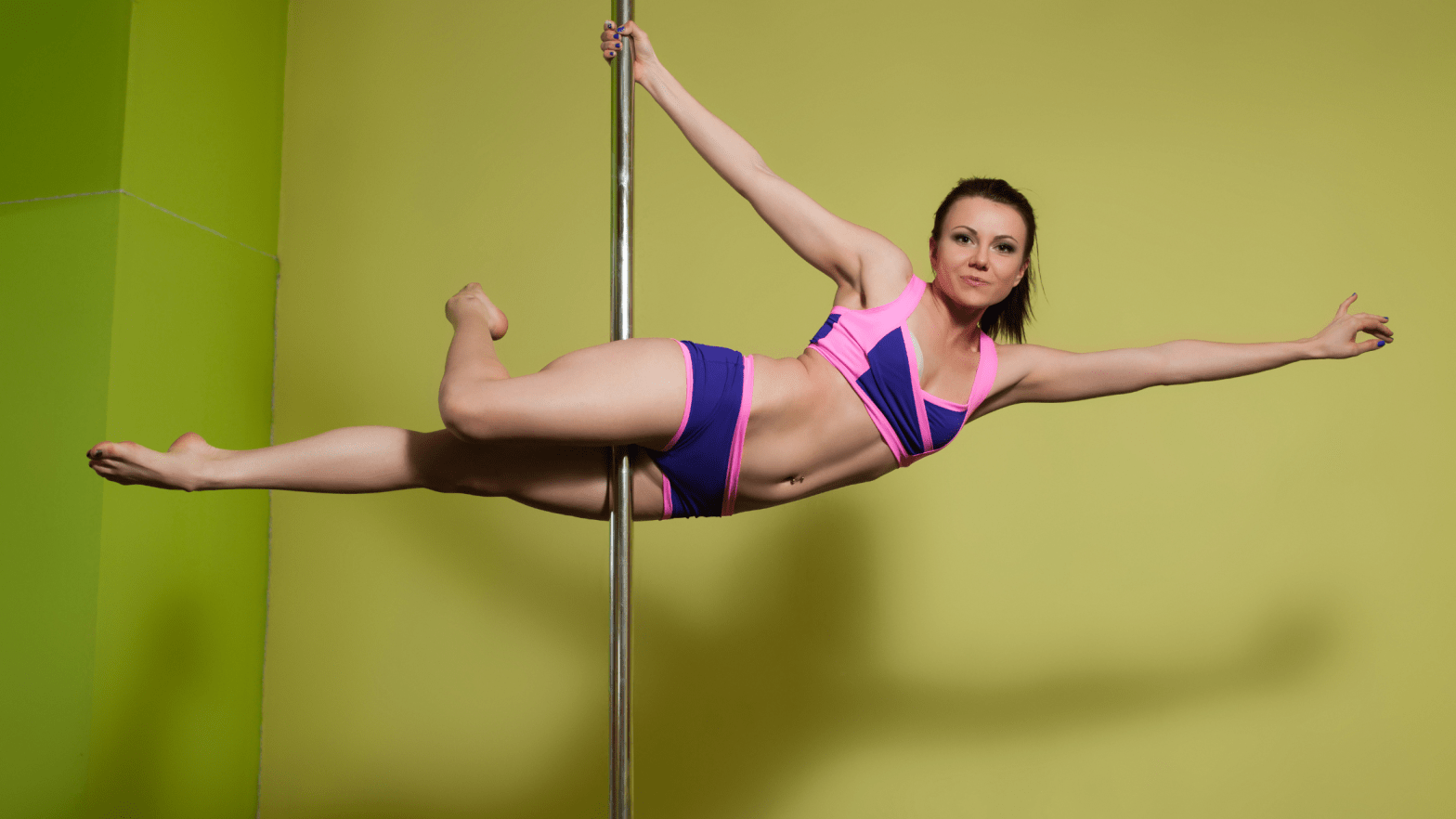
Is Pole Dancing Hard? Exploring the Challenges and Rewards of Pole Dance

Pole-ates Playhouse – Your Hub for Mindful Movement

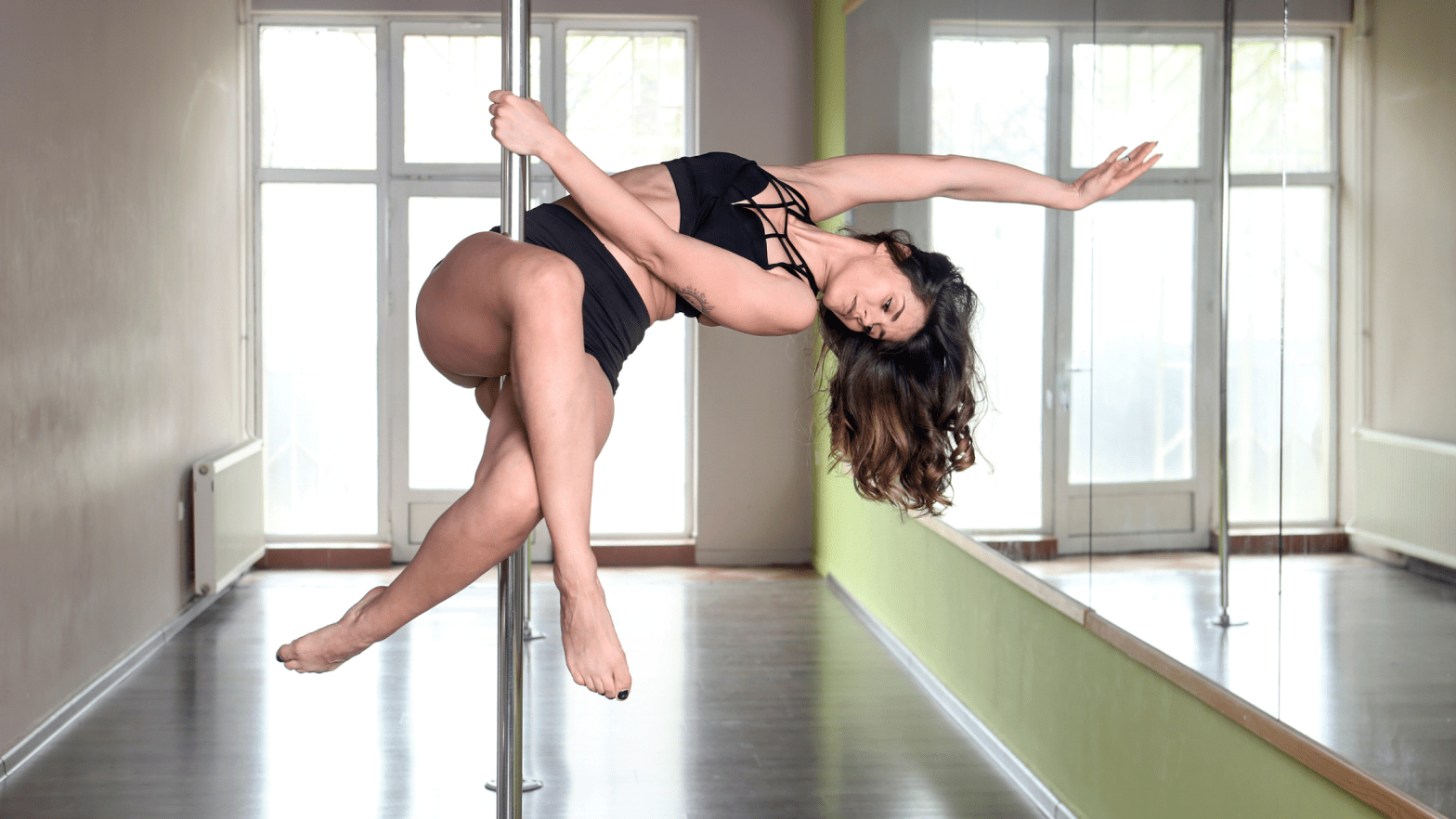
Pole dancing has emerged as an empowering and artistic form of fitness, captivating the interest of many. If you’re curious about pole dancing or considering it as a fitness option, you might be wondering, “Is pole dancing hard?” In this blog post, we’ll delve into the world of pole dance, demystify its challenges, and highlight the incredible rewards it offers.

The Complexity of Pole Dancing

Pole dancing is an art form that combines strength, flexibility, grace, and creativity. The perception of its difficulty varies from person to person, influenced by factors like experience, fitness level, and personal goals. Here’s a closer look at what makes pole dancing challenging:

1. Strength and Conditioning: Pole dancing demands a considerable amount of upper body, core, and lower body strength. Climbing, inverting, and holding poses on the pole require muscular endurance and control. However, pole dancing itself is an excellent way to build this strength gradually.

2. Technique and Coordination: Learning the proper techniques for spins, holds, and transitions can be challenging, especially for beginners. It takes time to develop the coordination needed to execute moves smoothly.

3. Flexibility: Pole dance encourages flexibility, but some moves may require significant levels of flexibility. As you progress in your practice, you’ll work on increasing your range of motion.

4. Confidence and Body Image: Pole dancing is a wonderful tool for boosting confidence and promoting positive body image. However, for some, the initial journey may involve overcoming self-doubt and embracing the unique challenges.

5. Patience and Perseverance: Like any form of dance or fitness, mastering pole dance takes patience and dedication. It’s normal to face challenges along the way, but the sense of accomplishment when you conquer them is immensely rewarding.

The Rewards of Pole Dancing

While pole dancing can be challenging, its rewards are equally remarkable:

1. Total Body Workout: Pole dancing provides a complete workout that engages multiple muscle groups simultaneously, helping you build strength and increase flexibility.

2. Confidence and Empowerment: Pole dancing empowers individuals by promoting self-confidence, body positivity, and a sense of achievement as you conquer new moves and routines.

3. Creativity and Expression: Pole dance is an art form that allows for creative expression through choreography and freestyle dance, making it a unique and fulfilling fitness experience.

4. Supportive Community: Many pole dancing studios foster a supportive and inclusive community where you can connect with like-minded individuals and share your journey.

5. Stress Relief: Dancing can be a great stress reliever, helping you unwind and release tension.

6. Increased Body Awareness: Pole dance promotes enhanced body awareness, alignment, and proprioception, contributing to better posture and body control.

In Conclusion

Is pole dancing hard? Like any physical activity, it presents challenges, but it’s also a deeply rewarding and empowering experience. The level of difficulty is often subjective and can be tailored to your goals and preferences. As you embrace the challenges and celebrate your achievements, you’ll discover the incredible journey that pole dance offers.

Stepping into Confidence: Tips for Choosing Your First Pair of Heels for Pole Dance

Pole dance is not just a physical art; it’s a powerful expression of grace, strength, and sensuality. Embracing the art of pole dance often involves incorporating heels into your routine, adding a new dimension of elegance and confidence. Choosing your first pair of pole dance heels is an exciting step, but it can also feel overwhelming. In this blog post, we’ll guide you through the process of selecting the perfect pair of heels that will elevate your pole dance experience while ensuring comfort and safety.

1. Prioritize Comfort and Fit

Comfort is paramount when it comes to pole dance heels. Look for heels with cushioned insoles and ample padding to support your feet during spins, inversions, and transitions. Ensure the shoes fit snugly without pinching or squeezing your toes.

2. Heel Height Considerations

For beginners, it’s wise to start with a moderate heel height, typically between 6 to 7 inches. This height strikes a balance between comfort and the aesthetic impact of heels. As you become more accustomed to dancing in heels, you can gradually experiment with higher heel options.

3. Ankle Support

Stability is crucial in pole dancing, especially when wearing heels. Opt for heels with ankle straps or bootie-style designs that provide added support and prevent your feet from sliding forward inside the shoes.

4. Platform vs. Non-Platform Heels

Platform heels feature a raised sole at the front of the shoe, which can provide extra stability and ease the strain on your feet. These are often recommended for beginners as they distribute your weight more evenly.

5. Choose the Right Material

Pole dance heels come in various materials, including patent leather, faux leather, suede, and clear plastic. Choose a material that resonates with your personal style and dance preferences. Keep in mind that materials like suede can offer additional grip on the pole.

6. Opt for a Sturdy Heel Base

A solid, sturdy heel base is essential for maintaining balance during spins and tricks. Look for heels with a broader and more supportive base rather than extremely thin stilettos.

7. Traction and Grip

While you want your shoes to glide on the floor, you also want some grip for pole work. Look for heels with a rubber sole or grip-enhancing material on the bottom to prevent slipping.

8. Practice and Gradual Progression

Once you’ve chosen your heels, practice dancing in them gradually. Start with simple moves and gradually incorporate more complex tricks as you become accustomed to the added height and weight of the shoes.

9. Express Your Style

Pole dance heels come in a plethora of styles, colors, and designs. Choose a pair that resonates with your personal style and makes you feel confident and empowered. Whether you prefer classic black, bold colors, or intricate designs, your heels should reflect your individuality.

Choosing your first pair of pole dance heels is a thrilling step in your pole journey. Prioritize comfort, fit, ankle support, and stability. Start with a moderate heel height and gradually experiment as you gain confidence. Remember that pole dance heels are an extension of your self-expression, so choose a pair that makes you feel empowered and ready to conquer the pole with grace and confidence. With the right pair of heels, you’ll be stepping into a world of creativity and elegance that adds a new dimension to your pole dance experience.

Navigating Wrist Pain in Pole Fitness: Your Path to Strength and Comfort

Pole fitness is a dynamic and captivating form of exercise that engages the entire body in strength, grace, and creativity. However, it’s not uncommon for pole enthusiasts to encounter wrist pain during their journey. At Poleates Playhouse, we understand the importance of maintaining your well-being while pursuing your fitness goals. In this blog post, we’ll explore the challenges of wrist pain in pole fitness and provide guidance on how to navigate and overcome this discomfort.

Understanding Wrist Pain in Pole Fitness

Wrist pain can arise in pole fitness due to the demands placed on the wrists during spins, climbs, inverts, and other pole moves. The wrists are essential for supporting your body weight and controlling your movements, and as a result, they can experience strain and discomfort.

Tips to Address and Prevent Wrist Pain in Pole Fitness:

  1. Proper Warm-Up:Before starting your pole fitness routine, warm up your wrists with gentle wrist circles and stretches. This helps prepare the wrists for the demands of pole moves.
  2. Strengthen the Forearms:Building forearm strength can help alleviate wrist pain. Incorporate exercises like wrist curls and grip strength exercises into your regular training routine.
  3. Focus on Technique:Pay close attention to your technique and form during pole moves. Proper alignment and body positioning can reduce stress on the wrists.
  4. Grip Variation:Experiment with different grip styles to reduce wrist strain. For example, try a cup grip or forearm grip to distribute the load more evenly.
  5. Wrist Support:Consider using wrist supports or wraps to provide added stability and reduce the risk of overextension or excessive pressure on the wrists.
  6. Gradual Progression:Gradually progress to more advanced pole moves. Avoid rushing into challenging moves before your wrists are adequately prepared.
  7. Rest and Recovery:Listen to your body and allow for sufficient rest and recovery. Overtraining can lead to overuse injuries, including wrist pain.
  8. Stretch and Mobilize:Incorporate wrist stretches and mobility exercises into your routine to maintain flexibility and reduce tension.

Poleates Playhouse: Your Partner in Wellness

At Poleates Playhouse, we’re committed to your well-being and enjoyment of pole fitness. Our certified instructors are skilled at providing guidance and modifications to help you navigate wrist pain and other challenges. We create a supportive environment where you can explore pole fitness while prioritizing your health and comfort.

Wrist pain in pole fitness can be managed and prevented through proper preparation, technique, and self-care. By following these tips and being mindful of your wrist health, you can continue to enjoy the exhilarating world of pole fitness. Reach out to us at Poleates Playhouse for support and guidance on your journey to strength, grace, and comfort.

Join us to experience the transformative power of pole fitness, while keeping wrist pain at bay and embracing your journey to a stronger, more confident you.

Pilates for Lower Back Pain: Strengthen and Soothe

Pole-ates Playhouse – Your Hub for Mindful Movement

Lower back pain can be both discomforting and disruptive to your daily life. Whether it’s caused by poor posture, muscle imbalances, or other factors, finding relief is a priority. One effective approach to alleviating lower back pain is through Pilates exercises. In this blog post, we’ll explore how Pilates can help soothe and strengthen your lower back.

Understanding Lower Back Pain

Before diving into Pilates exercises, it’s essential to understand the common causes of lower back pain:

  • Muscle Weakness: Weak muscles in the core and lower back can lead to instability and discomfort.
  • Poor Posture: Slouching or maintaining poor posture over time can strain the lower back muscles.
  • Imbalanced Muscles: Muscle imbalances, where some muscles are stronger than others, can lead to tension and pain.
  • Inactivity: A sedentary lifestyle can contribute to lower back pain, as it may lead to muscle stiffness and inflexibility.

Pilates: A Solution for Lower Back Pain

Pilates is a low-impact exercise method that focuses on building core strength, improving flexibility, and enhancing body awareness. Here’s how Pilates can help with lower back pain:

**1. Core Strengthening: Pilates targets the deep core muscles, including the transverse abdominis and multifidus muscles. Strengthening these muscles provides better support to the lower back, reducing strain and discomfort.

**2. Improved Posture: Pilates exercises emphasize proper alignment and posture. As you become more aware of your body’s positioning, you’ll naturally adopt better posture, reducing the risk of lower back pain.

**3. Flexibility and Range of Motion: Pilates incorporates movements that enhance flexibility and mobility. This can alleviate tension in the lower back and improve overall comfort.

**4. Body Awareness: Pilates encourages mindfulness of your body’s movements and sensations. This awareness allows you to identify and address areas of tension or discomfort in the lower back.

Pilates Exercises for Lower Back Pain Relief

Here are some Pilates exercises that can be beneficial for relieving lower back pain:

**1. Pelvic Tilts: Lie on your back with knees bent. Slowly tilt your pelvis backward and forward, engaging your core muscles.

**2. Bridges: Lie on your back with knees bent and feet hip-width apart. Lift your hips off the ground while engaging your glutes and core.

**3. Cat-Cow Stretch: Start on your hands and knees. Arch your back like a cat and then drop your belly like a cow while inhaling and exhaling, respectively.

**4. Child’s Pose: Sit back on your heels with arms extended forward. This stretch releases tension in the lower back.

**5. Knee-to-Chest Stretch: Lie on your back and bring one knee to your chest while keeping the other leg extended. Hold for 15-30 seconds and switch sides.

**6. Single-Leg Stretch: Lie on your back, lift your head and shoulders, and bring one knee to your chest while extending the other leg. Switch legs in a cycling motion.

Consult a Professional

While Pilates can be highly effective for lower back pain relief, it’s essential to consult with a healthcare professional or a certified Pilates instructor before starting any new exercise program, especially if you have pre-existing medical conditions.

In Conclusion

Pilates offers a holistic approach to alleviating lower back pain by strengthening the core, improving posture, and enhancing body awareness. Incorporating these Pilates exercises into your routine can help you find relief from discomfort and support a healthier, pain-free lower back.

Choosing the Perfect Pilates Class: A Comprehensive Guide to Different Types of Pilates

With the growing popularity of Pilates as a holistic fitness practice, it’s no wonder that a multitude of Pilates classes are now available. From classic approaches to modern variations, choosing the right Pilates class can greatly impact your fitness journey. In this guide, we’ll delve into the different types of Pilates classes, helping you navigate the options and find the one that best suits your preferences and goals.

Understanding the Varieties of Pilates

  1. Classic Pilates: As discussed in our previous blog post, Classic Pilates is the foundation of the practice. It adheres to the principles established by Joseph Pilates himself, focusing on breath, concentration, control, centering, precision, flow, and routine. If you’re seeking a balanced blend of physical strength, mental clarity, and mindful movement, Classic Pilates might be your ideal choice.
  2. Contemporary Pilates: This approach builds upon the foundation of Classic Pilates while incorporating modern principles and adaptations. It might involve the use of props like resistance bands, stability balls, and small equipment to add variety and challenge to the exercises. Contemporary Pilates retains the core principles while offering a more dynamic and diverse workout.
  3. Clinical Pilates: Often prescribed as part of physical therapy, clinical Pilates is tailored to address specific injuries, imbalances, or medical conditions. It is usually led by certified professionals who have a deep understanding of anatomy and rehabilitation techniques. If you’re recovering from an injury or looking for a personalized approach, clinical Pilates could be beneficial.
  4. Mat Pilates: This form of Pilates is practiced solely on a mat, without the use of equipment. Mat Pilates classes focus on bodyweight exercises that challenge core strength, flexibility, and overall muscle tone. It’s a cost-effective option that can be practiced at home as well.
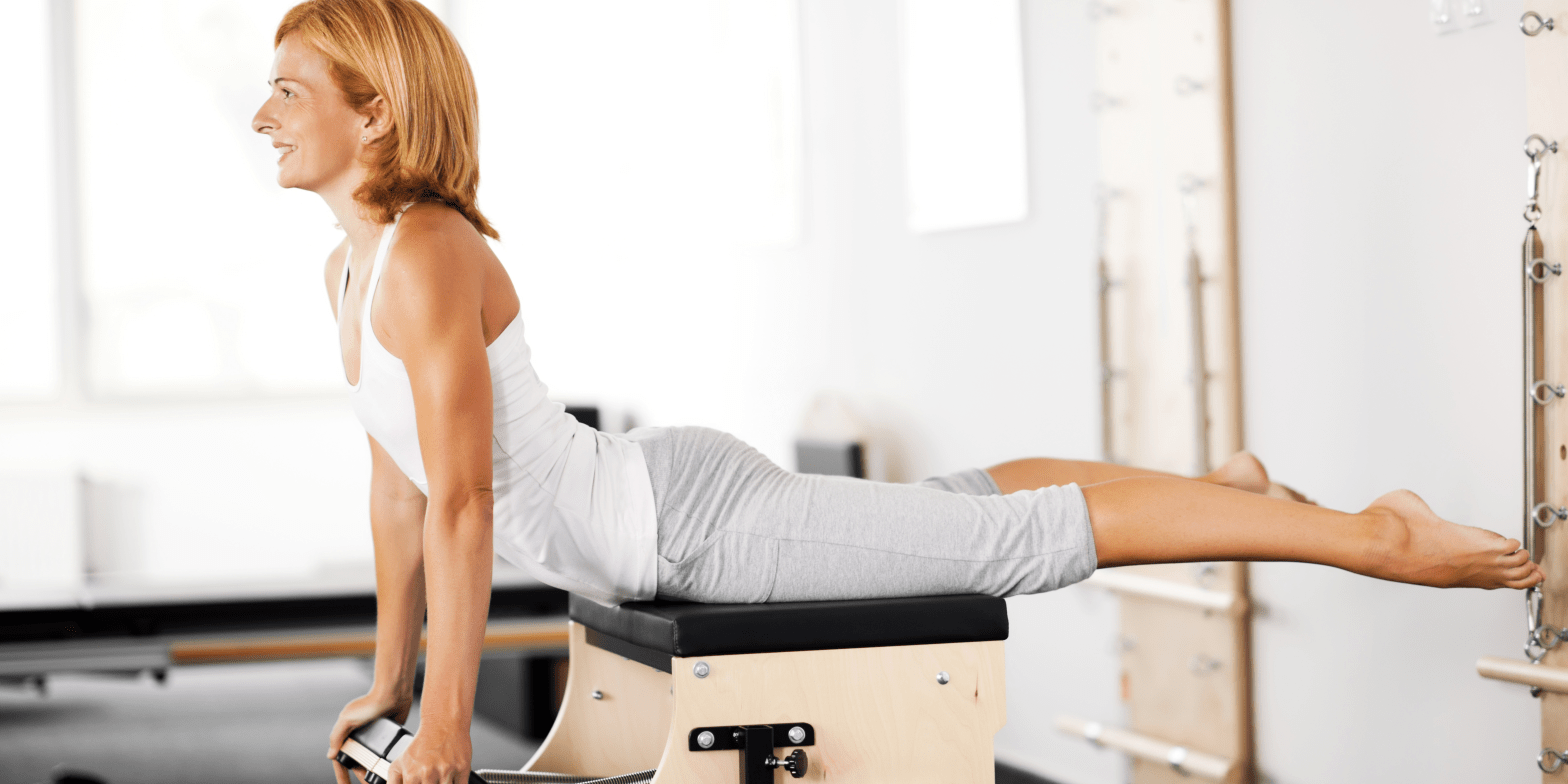
  5. Reformer Pilates: Reformer machines are widely used in this type of Pilates. These machines incorporate springs and pulleys to provide resistance and support, enhancing the intensity of the exercises. Reformer Pilates is excellent for targeting specific muscle groups and creating a full-body workout.
  6. Pilates Fusion: This style combines Pilates with elements from other fitness disciplines, such as yoga, barre, or even dance. It offers a creative and varied workout that can appeal to individuals looking for a well-rounded experience.

Choosing the Right Pilates Class for You

  1. Define Your Goals: Are you looking to improve flexibility, build core strength, manage stress, or recover from an injury? Identifying your goals will help you narrow down the type of Pilates class that aligns with your objectives.
  2. Assess Your Fitness Level: Different classes cater to various fitness levels, from beginners to advanced practitioners. Choose a class that suits your current abilities while providing room for growth.
  3. Consider Your Preferences: Do you prefer a group setting or one-on-one instruction? Are you drawn to a traditional approach or interested in trying something more contemporary? Your personal preferences will influence your Pilates experience.
  4. Instructor Credentials: Look for certified Pilates instructors who have received proper training and have a solid understanding of the practice. This is particularly important for clinical or rehabilitative Pilates.
  5. Sample Classes: Many studios offer trial classes or introductory packages. Take advantage of these opportunities to sample different types of Pilates classes and find the one that resonates with you.

Pilates is a versatile practice with various styles that cater to different needs and preferences. Whether you’re drawn to the tradition of Classic Pilates, the innovation of Contemporary Pilates, or the targeted focus of Clinical Pilates, there’s a class that’s perfect for you. By defining your goals, assessing your fitness level, considering your preferences, and choosing qualified instructors, you can embark on a Pilates journey that aligns with your individual aspirations and sets you on a path to holistic well-being.

Pole Dancing as a Full-Body Workout: Sculpting Every Muscle

Pole dancing has gracefully shed its stereotype as a form of entertainment and evolved into a powerful fitness regimen that challenges both body and mind. Beyond its captivating choreography and aesthetic appeal, pole dancing is a highly effective full-body workout that targets and sculpts every muscle group. Whether you’re a beginner or a seasoned fitness enthusiast, exploring the world of pole dancing can lead to a transformative journey towards enhanced strength, flexibility, and self-confidence.

The Fusion of Strength and Elegance

Pole dancing has transcended its roots to become a dynamic fusion of strength and elegance. It engages muscles you might not even know you had, creating a balanced synergy between cardiovascular conditioning, strength training, and flexibility enhancement. Here’s how pole dancing provides a comprehensive full-body workout:

1. Upper Body Power

Gripping the pole and performing spins, holds, and lifts engage your upper body muscles—especially the arms, shoulders, and back. As you execute various movements, your biceps, triceps, and deltoids work together to stabilize your body weight, fostering impressive upper body strength.

2. Core Activation

At the heart of pole dancing lies the need for a strong and stable core. The act of maintaining balance while executing spins and inverted poses requires constant engagement of your abdominals and obliques. As a result, you develop not only visible abdominal definition but also deep core strength that enhances overall stability.

3. Lower Body Sculpting

Pole dancing is a leg-intensive activity that targets your quadriceps, hamstrings, glutes, and calves. The dynamic transitions from spins to climbs engage these muscles as they work to lift and control your body weight. Lunges, squats, and leg lifts are seamlessly integrated into pole routines, effectively shaping and toning your lower body.

4. Flexibility and Mobility

Pole dancing promotes improved flexibility through a combination of stretches and dynamic movements. Regular practice encourages enhanced joint mobility and muscle elasticity. As you strive to master splits and other intricate poses, your hip flexors, hamstrings, and back muscles are stretched and elongated.

5. Cardiovascular Endurance

The graceful movements and constant transitions in pole routines elevate your heart rate, providing a cardio component to your workout. The energy expended during spins, climbs, and poses increases your aerobic capacity, enhancing overall cardiovascular health.

6. Balance and Coordination

Pole dancing challenges your sense of balance and coordination. As you maneuver around the pole and perform fluid transitions, you improve proprioception and spatial awareness. This skill development is not only useful for pole dancing but also translates to improved everyday movements.

7. Empowerment and Confidence

Beyond the physical benefits, pole dancing nurtures self-confidence and body positivity. Overcoming challenges and mastering new moves instills a sense of accomplishment that extends to other aspects of your life.

Pole dancing has transformed into a multifaceted fitness activity that provides a complete full-body workout. By engaging muscles from head to toe, promoting flexibility, and enhancing cardiovascular endurance, pole dancing challenges your body’s limits while boosting your self-esteem. Whether you’re a fitness enthusiast seeking a fresh challenge or someone looking to embrace a new form of self-expression, pole dancing offers a unique and empowering journey to sculpting every muscle and becoming the best version of yourself. Remember, pole dancing is not just about the performance—it’s about the transformation that happens within as you embark on this exciting fitness adventure.

Finding Freedom: Tips for Releasing Neck Tension in Pilates

Pole-ates Playhouse – Your Hub for Mindful Movement

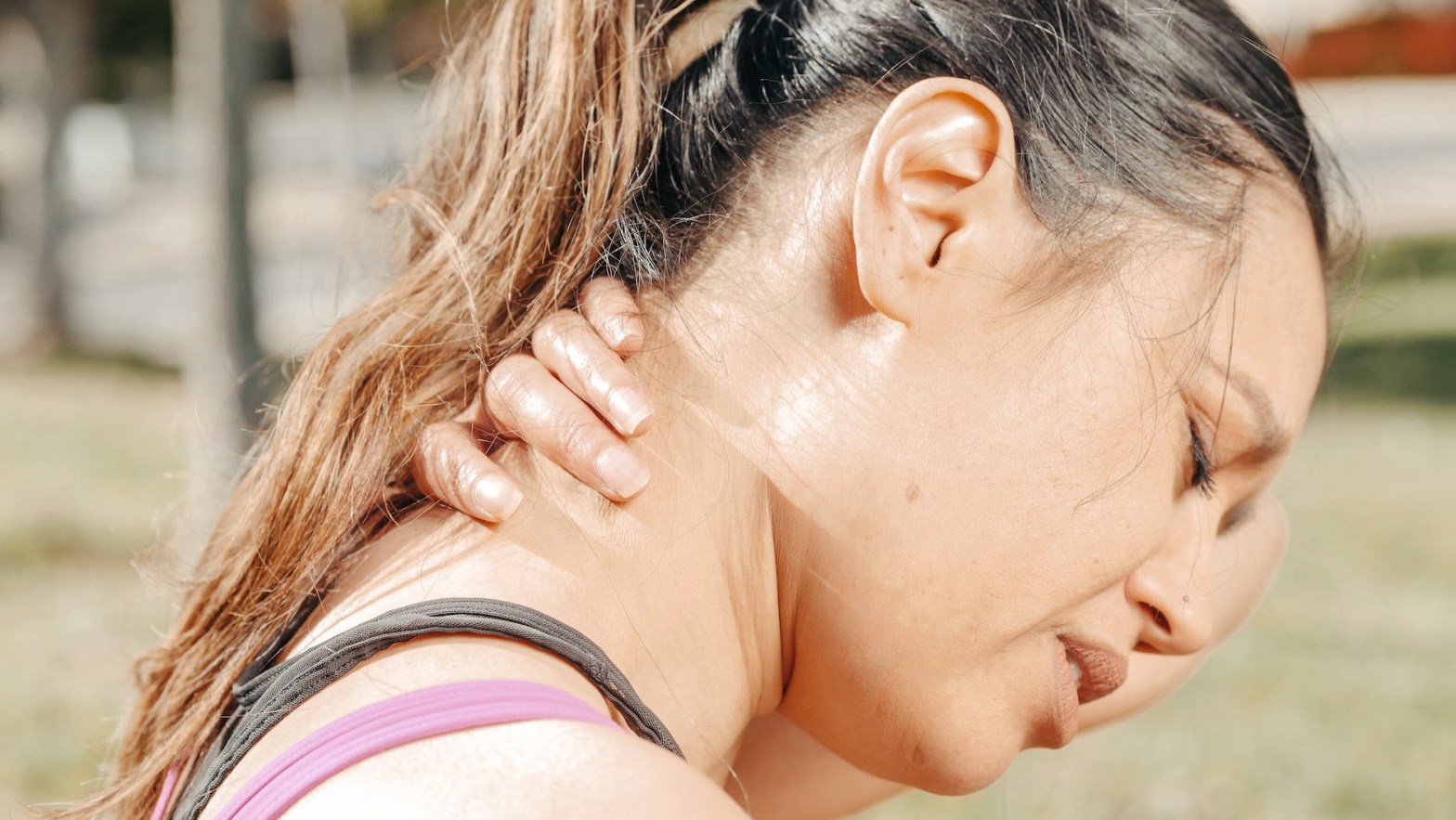
Pilates is a beautiful practice that promotes strength, flexibility, and body awareness. However, if you’ve ever experienced neck tension during a Pilates session, you’re not alone. It’s a common challenge, but the good news is that with the right techniques and mindful practices, you can find relief. In this blog post, we’ll explore tips to help you release neck tension during your Pilates practice.

Why Neck Tension Happens in Pilates

Neck tension during Pilates can occur for various reasons, including:

  1. Poor Alignment: Incorrect head and neck positioning can strain the neck muscles. Pilates emphasizes proper alignment, and misalignment can lead to tension.
  2. Over-Engagement: Overworking the neck muscles during exercises can cause tension. Instead, focus on engaging your core and maintaining a stable neck.
  3. Stress and Tension: External stress or tension in your daily life can manifest physically in the neck and shoulders. Pilates can be an excellent way to relieve this stress, but it may take some time to fully release.

Effective Tips for Releasing Neck Tension

  1. Proper Alignment: Ensure that your head and neck are in a neutral position during Pilates exercises. The gaze should be forward or slightly upward, and the neck should feel relaxed.
  2. Mindful Breathing: Incorporate mindful breathing into your practice. Deep breaths can help release tension not only in the neck but also throughout the entire body.
  3. Neck Rolls: Gently roll your neck in one direction, and then the other before and after your Pilates session. This simple movement can help release tension.
  4. Stretching: Include neck stretches in your warm-up and cool-down routines. Gentle stretches such as tilting your head to the side or bringing your ear toward your shoulder can be effective.
  5. Modify Exercises: If you frequently experience neck tension during specific exercises, modify them. Use props like a small pillow or cushion to support your head and neck, allowing you to maintain proper alignment.
  6. Core Engagement: Focus on engaging your core muscles to support your spine. A strong core can reduce the reliance on neck muscles and alleviate tension.
  7. Rest and Relaxation: Ensure you get enough rest outside of your Pilates practice. Relaxation and proper sleep can significantly impact muscle tension.

Listen to Your Body

It’s essential to listen to your body during Pilates. If you ever feel sharp pain or discomfort in your neck, stop the exercise immediately. Neck pain should not be ignored, and it’s crucial to consult a healthcare professional if you experience chronic or severe tension.

Releasing neck tension during Pilates is about practicing mindfulness, maintaining proper alignment, and ensuring that your body is well-supported throughout your exercises. By incorporating these tips into your Pilates routine, you’ll not only enjoy a more comfortable practice but also experience the full benefits of this mindful movement discipline.

Unveiling the Art and Fitness of Static Pole Dance

Pole dance is an art form that has evolved significantly in recent years, expanding beyond its traditional roots to encompass a wide range of styles. One of the most captivating and challenging forms of pole dance is static pole dance. In this blog post, we will delve into what static pole dance is and why it’s gaining popularity among fitness enthusiasts and performers around the world.

Defining Static Pole Dance

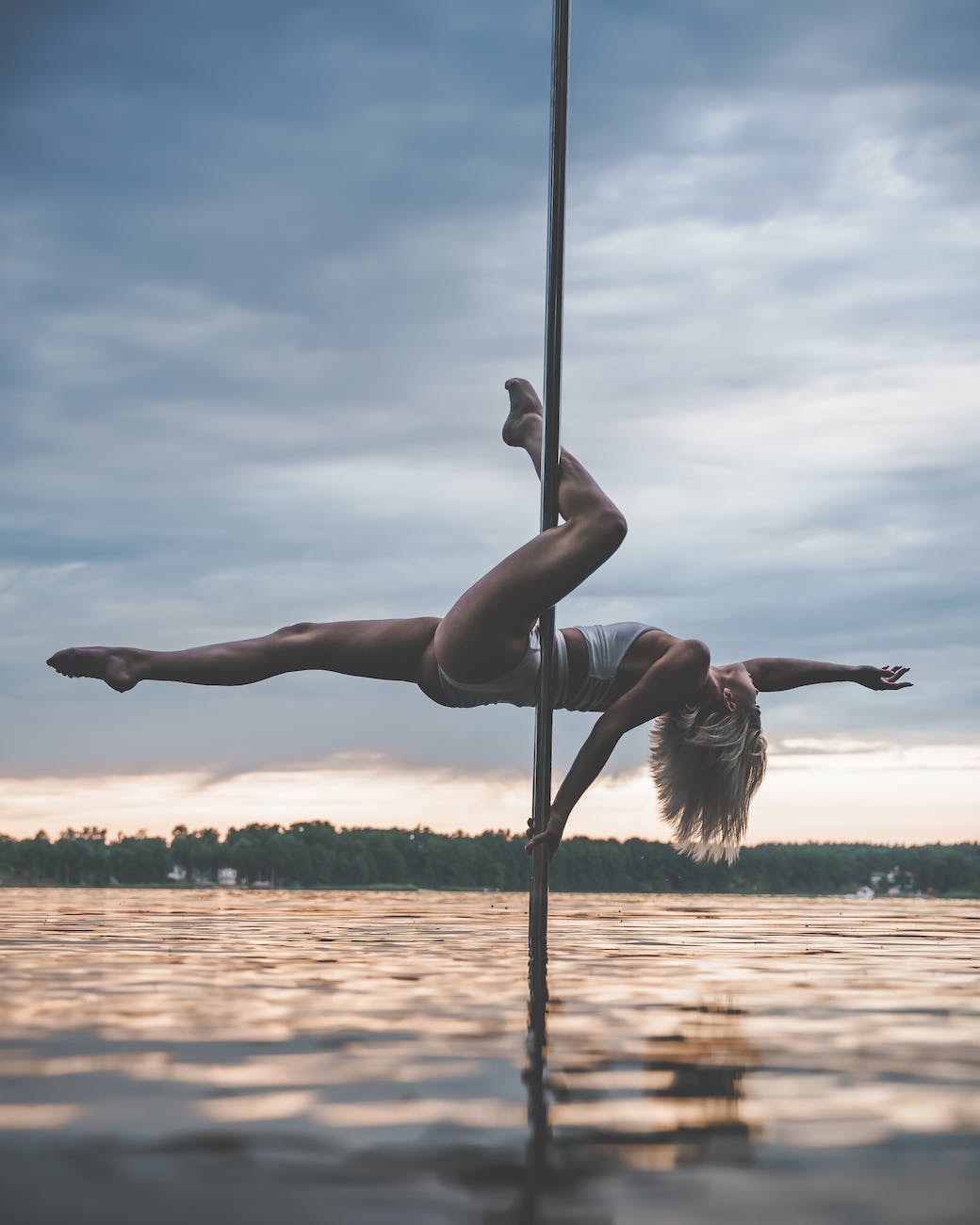
Static pole dance, often referred to as “pole fitness” or “pole sport,” is a dynamic form of exercise and artistic expression that combines dance and acrobatics using a stationary, vertical pole. Unlike “spin pole” or “spinning pole” dance, where the pole is set to rotate, static pole dance involves performing gravity-defying moves on a pole that does not spin.

The Elements of Static Pole Dance

  1. Strength and Conditioning: Static pole dance requires incredible upper body, core, and lower body strength. Dancers use their muscles to grip, hold, and manipulate their bodies on the pole. Regular practice can lead to improved muscle tone and enhanced overall physical fitness.
  2. Flexibility: Achieving impressive pole moves often demands a high degree of flexibility. Dancers work on increasing their range of motion, stretching their muscles, and improving their flexibility to execute poses and transitions with grace.
  3. Balance and Coordination: Pole dancers develop exceptional balance and coordination as they execute intricate spins, inversions, and holds on the pole. These elements not only enhance physical fitness but also help build mental focus and body awareness.
  4. Artistic Expression: Static pole dance is more than just a physical workout; it’s a form of artistic expression. Dancers create routines that combine strength and flexibility with dance and choreography to tell a story or convey emotions.

Why Static Pole Dance is Gaining Popularity:

  1. Empowerment: Static pole dance empowers individuals by allowing them to push their physical and mental limits. It encourages self-confidence and body positivity, helping participants feel more comfortable and confident in their own skin.
  2. Versatility: Whether you’re interested in fitness, artistic expression, or both, static pole dance offers a versatile platform to achieve your goals. It can be a fun and challenging fitness routine or a captivating performance art.
  3. Community: The static pole dance community is welcoming and supportive. Many studios and practitioners celebrate the art and embrace newcomers, fostering a sense of camaraderie among dancers of all levels.
  4. Progression: Pole dancers enjoy the opportunity for constant growth. There is always a new move, spin, or trick to master, making it a continuously evolving and exciting activity.

Starting Your Static Pole Dance Journey:

If you’re interested in exploring static pole dance, consider finding a reputable studio or instructor who offers beginner classes. These classes typically start with the fundamentals, including proper grip technique and basic spins. Over time, you’ll progress to more advanced moves and routines.

Static pole dance is an extraordinary way to challenge your body, express your creativity, and experience personal growth. It’s a fusion of fitness, strength, flexibility, and artistry that continues to captivate and inspire individuals of all backgrounds and abilities. Embrace the opportunity to soar to new heights and dance to your heart’s content with static pole dance!

The Perfect Blend: The Bridge Between Exotic Pole Dance and Pole Fitness

Pole-ates Playhouse – Your Hub for Mindful Movement

Pole dancing has come a long way from its origins as an exotic dance form to becoming a diverse and inclusive fitness discipline. Today, the pole dance community celebrates both the sensual and the athletic aspects of this art form. In this blog post, we’ll explore the fascinating bridge between exotic pole dance and pole fitness, highlighting how this fusion creates a unique and empowering experience.

Honoring the Origins: Exotic Pole Dance

Exotic pole dance has its roots in sensual and seductive dance routines. Dancers incorporate fluid movements, floorwork, and sultry choreography to create captivating performances. While it may have initially been associated with entertainment venues, exotic pole dance has evolved into a powerful expression of self-confidence, body positivity, and artistic freedom.

Embracing Fitness: Pole Fitness

On the other side of the spectrum, pole fitness emphasizes the athletic and strength-building aspects of pole dancing. Pole fitness classes focus on building functional strength, increasing flexibility, and improving overall fitness. Participants engage in rigorous workouts that include climbing, spinning, and holding static poses on the pole.

The Bridge: Empowerment Through Movement

The bridge between exotic pole dance and pole fitness is where the magic happens. This hybrid approach recognizes that pole dancing can be both a sensual art form and an empowering workout. Here’s how it happens:

  1. Body Positivity: Both exotic pole dance and pole fitness promote body positivity and self-acceptance. Participants learn to appreciate their bodies for their strength, grace, and sensuality.
  2. Strength and Flexibility: The athletic elements of pole fitness enhance strength and flexibility, allowing dancers to execute fluid and acrobatic movements with ease.
  3. Empowerment: Whether you’re embracing your sensuality through exotic dance or conquering challenging pole moves, both experiences empower individuals to break free from self-doubt and limitations.
  4. Artistic Expression: The fusion of exotic and fitness styles encourages artistic expression. Dancers can infuse their routines with creativity, emotion, and personal flair.
  5. Inclusivity: This bridge welcomes individuals of all backgrounds, body types, and gender identities, fostering a supportive and inclusive community.

How to Explore the Bridge

If you’re intrigued by the idea of exploring the bridge between exotic pole dance and pole fitness, here’s how to get started:

  • Find a Studio: Look for a pole dance studio that offers a range of classes, from sensual to fitness-focused.
  • Try Different Classes: Don’t be afraid to try both exotic and fitness classes to discover what resonates with you.
  • Embrace Your Journey: Pole dancing is a personal journey. Embrace your unique path and celebrate your progress.

In Conclusion

The bridge between exotic pole dance and pole fitness showcases the beautiful duality of this art form. It reminds us that we can be sensual, strong, and empowered all at once. Whether you’re drawn to the expressive allure of exotic dance or the physical challenges of fitness, there’s a place for you in the pole dance community. Embrace this unique blend, celebrate your journey, and let pole dancing empower you in mind, body, and spirit.