Busting the Myths: 5 Common Misconceptions About Pilates

Pilates, a popular exercise method developed by Joseph Pilates in the early 20th century, has gained a reputation for its transformative benefits on both physical and mental well-being. However, as with any popular practice, certain misconceptions have emerged over time. In this blog post, we’ll debunk five common myths about Pilates to provide a clearer understanding of this holistic exercise system.

Myth 1: Pilates is Only for Core Strengthening

While Pilates is renowned for its emphasis on core strength, its benefits extend far beyond the abdominal muscles. Pilates exercises engage a wide range of muscle groups, including the back, legs, arms, and glutes. The controlled and precise movements target the entire body, leading to improved muscle tone, flexibility, and overall strength.

Myth 2: Pilates is Only for Women

Pilates is often associated with women, but it’s a misconception that it’s exclusively a female-oriented exercise method. In reality, Pilates was originally developed by Joseph Pilates, a man, and was initially practiced by soldiers and athletes of both genders. Pilates is suitable for anyone seeking a balanced and effective workout, regardless of gender.

Myth 3: Pilates is Easy and Not a Real Workout

While Pilates might not involve heavy weights or high-impact movements, it is far from easy. The controlled and precise nature of Pilates exercises requires concentration, balance, and coordination. The slow and deliberate movements challenge muscles in unique ways, leading to increased muscle endurance, improved posture, and enhanced overall fitness.

Myth 4: Pilates is Only for Flexibility, Not Strength

Pilates is often associated with flexibility due to its focus on elongating muscles and improving range of motion. However, this doesn’t mean that Pilates lacks strength-building benefits. Many Pilates exercises involve resistance, using body weight, resistance bands, or specialized equipment. These exercises effectively target muscles, resulting in increased strength and muscle definition.

Myth 5: Pilates is the Same as Yoga

While both Pilates and yoga promote mind-body connection and emphasize controlled movements, they are distinct practices with different principles and goals. Pilates focuses on building core strength, improving posture, and developing balanced muscle tone. On the other hand, yoga emphasizes flexibility, breath awareness, and achieving mental tranquility. While there may be some overlap, each practice offers unique benefits and approaches to fitness and well-being.

Debunking these common misconceptions about Pilates helps shed light on the true essence of this exercise method. Pilates is a versatile and holistic practice that offers a comprehensive range of benefits, including improved core strength, enhanced overall fitness, and increased body awareness. By setting aside these misconceptions, individuals can fully embrace the transformative power of Pilates and enjoy its positive impact on both their physical and mental health.
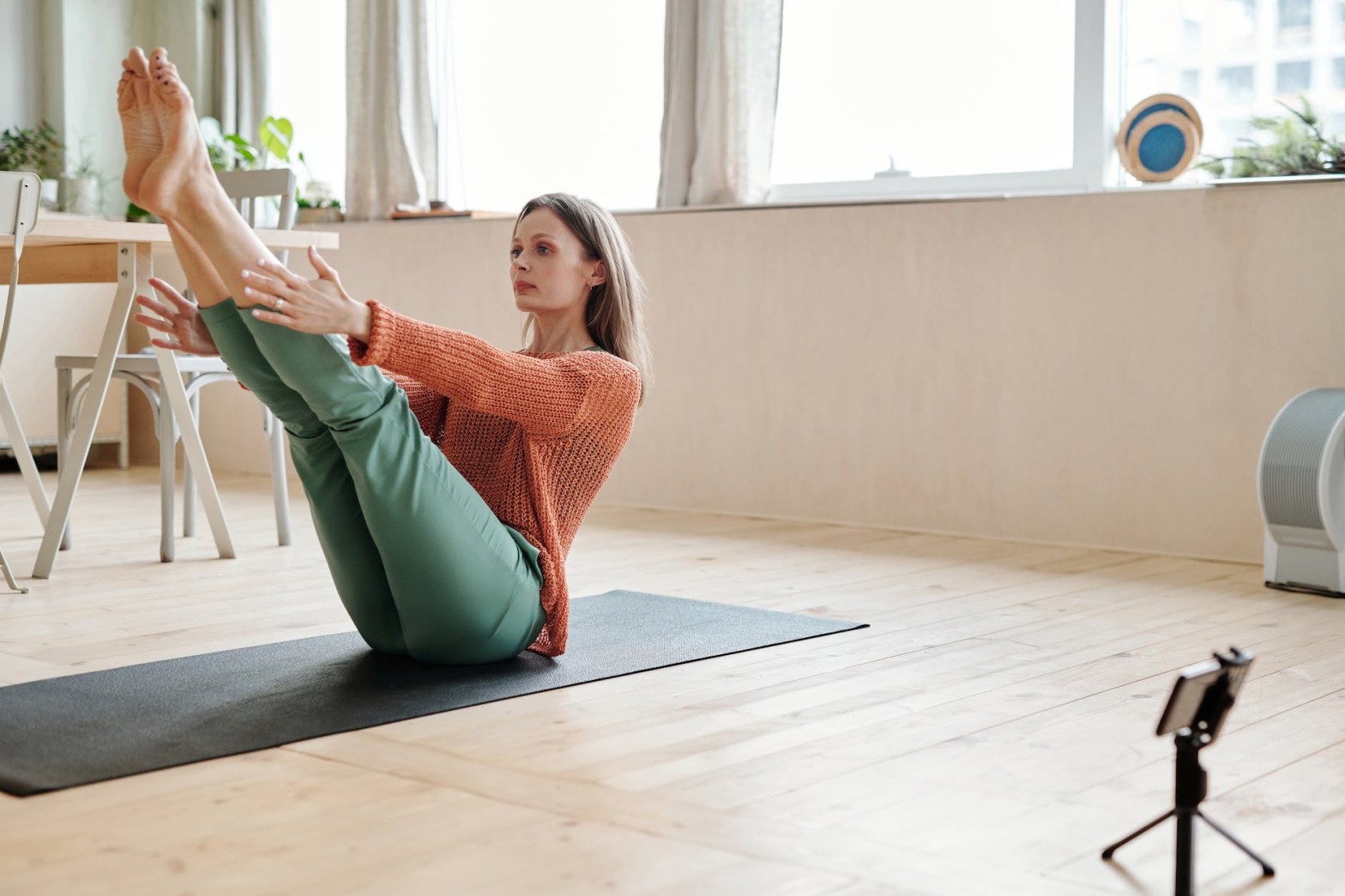
Finding Flow in Your Pilates Practice: The Path to Graceful Movement

In the world of fitness, finding your flow is like discovering a hidden treasure. It’s that elusive state where movement feels effortless, your body is in perfect harmony, and each exercise seems to flow seamlessly into the next. In Pilates, achieving this state of flow is not only possible but also incredibly rewarding. At Poleates Playhouse, we believe that finding flow in your Pilates practice is the key to unlocking its full potential. In this blog post, we’ll explore the art of flow and how it can enhance your Pilates experience.

What is Flow in Pilates?

Flow in Pilates refers to the seamless transition from one exercise to another with a continuous, rhythmic quality. It involves maintaining control, precision, and mindfulness while moving through a series of exercises. Flow allows you to maintain a steady pace, connecting each movement with grace and control.

Benefits of Flow in Your Pilates Practice:

  1. Enhanced Mind-Body Connection: Flow encourages you to stay fully present in your practice, fostering a deep mind-body connection. This awareness allows you to fine-tune your movements and alignment.
  2. Efficient Workouts: Flowing through exercises with controlled, fluid movements can make your workouts more efficient. You engage your muscles more effectively and burn calories while improving flexibility and strength.
  3. Improved Coordination: Flow promotes better coordination between your breath and movements. This synchronization can improve your overall coordination and motor skills.
  4. Reduced Muscle Tension: By moving seamlessly and with grace, you minimize muscle tension. This can lead to a reduction in post-workout soreness and discomfort.

Tips for Finding Flow in Your Pilates Practice:

  1. Breathe Mindfully: Connect your breath to your movements. Inhale as you prepare, and exhale as you execute the movement. This rhythmic breathing can help you maintain a steady flow.
  2. Stay Present: Be fully present in each movement, focusing on the quality of your motion rather than rushing through the exercises. Mindfulness enhances your connection to your body.
  3. Practice Precision: Pilates is about precision. Concentrate on maintaining proper alignment and control in every movement. Quality is more important than quantity.
  4. Smooth Transitions: Pay attention to the transitions between exercises. These moments are as important as the exercises themselves. Ensure that the transitions are controlled and graceful.
  5. Practice Regularly: Like any skill, finding flow in Pilates improves with practice. The more you engage in your Pilates practice, the more natural flow will become.

Poleates Playhouse: Cultivating Flow in Pilates

At Poleates Playhouse, we’re passionate about helping you discover the joy of flow in your Pilates practice. Our certified instructors are dedicated to guiding you through your Pilates journey, fostering mindfulness, precision, and grace in your movements.

We offer a supportive environment where you can explore the art of flow, making it a central part of your Pilates practice. Whether you’re new to Pilates or an experienced practitioner, finding flow can transform your experience, leading to a deeper mind-body connection and more satisfying workouts.

Finding flow in your Pilates practice is a rewarding endeavor. By focusing on mindfulness, precision, and smooth transitions, you can enhance your Pilates experience and unlock its full potential. At Poleates Playhouse, we invite you to explore the art of flow and make it a central part of your fitness journey.

Join us to experience the transformative power of flow in your Pilates practice and discover the grace and control that it brings to your movement.

Finding Common Ground: Exploring the Similarities Between Pilates and Pole Fitness

Pilates and pole fitness may seem like two very different disciplines at first glance, but dig a little deeper, and you’ll discover that they share more in common than you might think. Both practices focus on strength, flexibility, and graceful movement, making them complementary in their own unique ways. At Poleates Playhouse, we’re all about helping you discover the incredible benefits of these two transformative forms of exercise. In this blog post, we’ll explore the similarities between Pilates and pole fitness and how they can work together to enhance your well-being.

1. Core Strength and Control:

Pilates is renowned for its emphasis on core strength and control. The exercises in Pilates target the muscles of the abdomen, lower back, and pelvis. Similarly, pole fitness requires a strong core to perform various spins, climbs, and inversions. The development of core strength in both practices enhances stability, balance, and posture.

2. Flexibility and Mobility:

Both Pilates and pole fitness contribute to improved flexibility and mobility. Pilates incorporates a range of stretches and movements that increase joint flexibility, while pole fitness involves dynamic stretching and poses that challenge the body’s range of motion. Enhanced flexibility is essential for graceful movement and preventing injury.

3. Mind-Body Connection:

Mind-body connection is a key component of Pilates and pole fitness. In Pilates, the focus is on mindfulness, precision, and control in each movement. In pole fitness, practitioners must be fully aware of their body position, engagement, and fluid transitions between moves. Both practices foster a deep connection between the mind and body.

4. Balance and Posture:

Maintaining balance and good posture are common goals in Pilates and pole fitness. Both emphasize proper alignment and the engagement of supporting muscles to create a sense of balance and grace. Improved posture is essential for overall well-being and preventing musculoskeletal issues.

5. Confidence and Self-Expression:

Pilates and pole fitness can boost your confidence and self-expression. Pilates encourages you to connect with your body, build strength, and move gracefully. In pole fitness, you learn to perform dynamic spins and tricks, increasing your self-assuredness and allowing for creative self-expression.

6. Supportive Communities:

Both practices often foster strong, supportive communities. At Poleates Playhouse, we offer a welcoming and inclusive environment where individuals of all backgrounds and fitness levels can come together to share their passion for movement and self-improvement.

Poleates Playhouse: Exploring the Best of Both Worlds

At Poleates Playhouse, we believe that Pilates and pole fitness are better together. These practices offer a holistic approach to fitness and well-being. Whether you’re seeking the core strength, flexibility, and mindfulness of Pilates or the dynamic movement and self-expression of pole fitness, we have something to offer everyone.

We encourage you to explore the similarities between Pilates and pole fitness and discover how they can work together to create a more balanced, strong, and confident you. Join us at Poleates Playhouse to experience the incredible benefits of these transformative forms of exercise.

In conclusion, the similarities between Pilates and pole fitness run deeper than you might expect. Both practices emphasize core strength, flexibility, mindfulness, balance, and self-expression, making them complementary and valuable tools in your fitness journey. Embrace the best of both worlds and discover how Pilates and pole fitness can enhance your well-being and transform your life.

Pole Dancing for Weight Loss: A Fun and Effective Fitness Choice

Pole dancing, once confined to the realm of strip clubs, has evolved into a mainstream fitness trend known for its empowering and body-transforming benefits. Beyond its seductive appeal, pole dancing is recognized as a dynamic and effective workout that can contribute to weight loss and overall fitness. In this blog post, we’ll explore why pole dancing is an excellent choice for those looking to shed pounds and get in shape.

1. A Full-Body Workout: Pole dancing engages multiple muscle groups simultaneously, providing a comprehensive full-body workout. You’ll target your core, arms, legs, and back, leading to increased muscle tone and calorie burn. This holistic approach to exercise makes it an efficient choice for weight loss.

2. Cardiovascular Benefits: Pole dancing routines often involve vigorous movements and fluid transitions, which elevate your heart rate. These cardiovascular benefits help improve endurance and facilitate calorie expenditure, aiding in weight loss.

3. Core Strength Development: Pole dancing places a strong emphasis on core strength, which is essential for stability and balance during various movements. Strengthening your core muscles not only helps you perform more advanced tricks but also promotes better posture and a toned midsection.

4. Flexibility and Range of Motion: Pole dancing incorporates stretches and contortions that enhance flexibility and range of motion. Increased flexibility not only reduces the risk of injury but also allows you to perform more challenging moves and stretches.

5. Builds Confidence and Self-Esteem: One often overlooked aspect of pole dancing is its ability to boost self-confidence and body positivity. As you progress in your pole dance practice and master new moves, you’ll develop a sense of accomplishment that can positively impact your self-esteem and overall well-being.

6. A Fun and Motivating Workout: The enjoyment factor of pole dancing cannot be overstated. Unlike traditional workouts, pole dancing feels like a form of play rather than exercise. The excitement of learning new tricks and routines can motivate you to stick with your fitness routine consistently.

7. Social and Supportive Community: Many pole dancing studios foster a supportive and inclusive community. Being part of such a community can provide the motivation and encouragement you need to stay committed to your fitness goals.

Pole dancing is indeed an effective and enjoyable choice for weight loss and overall fitness. Its combination of strength training, cardiovascular exercise, flexibility enhancement, and confidence-building makes it a holistic fitness option. Whether you’re a beginner or an experienced dancer, pole dancing offers something for everyone. As with any exercise program, remember that sustainable weight loss is best achieved through a combination of regular workouts and a balanced diet. If you’re looking to embark on a unique fitness journey that’s both fun and effective, pole dancing might be just the right choice for you.

Exploring Different Apparatus for Pole, Aerial, Silks, and More: Unleashing Your Inner Aerialist

Pole dancing and aerial arts have gained popularity in recent years, offering a dynamic and empowering way to express oneself through movement. These captivating forms of fitness combine strength, flexibility, and artistry to create breathtaking performances. If you’re new to the world of pole, aerial, silks, and other aerial arts, you may be curious about the different apparatus used in these disciplines. In this blog post, we’ll explore various apparatus commonly used in pole, aerial, and silks, and discover the unique qualities and experiences they offer.

1. Pole Dance:

Pole dance is a mesmerizing art form that combines dance, acrobatics, and strength training. The primary apparatus used in pole dance is, of course, the vertical pole. The pole itself can vary in material, such as chrome, brass, or stainless steel, and in diameter, typically ranging from 45mm to 50mm. The surface of the pole provides grip, allowing dancers to perform spins, holds, inversions, and dynamic tricks. Pole dance can be performed on both static (stationary) poles and spinning poles, each offering its own unique challenges and possibilities for movement.

2. Aerial Silks/Tissu:

Aerial silks, also known as aerial tissu or fabric, are long pieces of soft, flowing fabric that hang from a rigging point. The performer uses the fabric to wrap, twist, and suspend their body, creating stunning poses and dynamic movements. Aerial silks require a combination of strength, flexibility, and grace. The fabric is typically made of strong and durable materials, such as nylon or polyester, to withstand the tension and forces applied during performances. Aerial silks provide endless possibilities for creativity and expression, as performers can climb, spin, and create shapes in the air.

3. Aerial Hoop/Lyra:

Aerial hoop, also known as lyra, is a circular apparatus made of metal or steel that is suspended from a rigging point. The performer uses the hoop to execute breathtaking poses, transitions, and dynamic movements. Aerial hoop requires strength, flexibility, and control, as performers move in and out of the hoop, hang from various positions, and create captivating shapes. The size of the hoop can vary, typically ranging from 24 inches to 40 inches in diameter, offering different challenges and opportunities for movement based on the performer’s skill level and style.

4. Pole Hammock/Sling:

Pole hammock, also known as pole sling or aerial hammock, is a long, stretchy fabric that is attached to a vertical pole. The performer uses the fabric to support and suspend their body, allowing for a combination of aerial acrobatics, dance, and yoga-inspired movements. Pole hammock provides a unique blend of strength, flexibility, and aerial grace. The fabric can be adjusted to different lengths, allowing performers to explore inversions, poses, and dynamic movements both inside and outside of the fabric.

5. Aerial Straps:

Aerial straps consist of two strong and adjustable straps made of webbing or fabric. The performer uses the straps to suspend and manipulate their body, creating impressive displays of strength and control. Aerial straps require significant upper body and core strength, as performers execute various holds, poses, and dynamic movements while working with the resistance and tension of the straps. The straps can be adjusted to different lengths, providing versatility and opportunities for creative expression.

6. Aerial Rope/Corde Lisse:

Aerial rope, also known as corde lisse, is a thick and sturdy rope that hangs from a rigging point. The performer uses the rope to climb, wrap, and suspend their body, showcasing strength, flexibility, and coordination. Aerial rope requires a combination of upper body and core strength, as well as the ability to grip the rope securely during various poses, drops, and dynamic sequences. The texture and thickness of the rope provide a unique challenge and aesthetic appeal to performances.

Exploring different apparatus for pole, aerial, silks, and other aerial arts opens up a world of possibilities for movement, creativity, and self-expression. Whether you’re drawn to the sensuality of pole dance, the grace of aerial silks, or the strength of aerial straps, each apparatus offers its own unique challenges and rewards. Embrace the opportunity to unleash your inner aerialist and discover the joy and empowerment that comes with defying gravity and creating art in the air.

Hydration for Health: Tips to Stay Refreshed and Energized

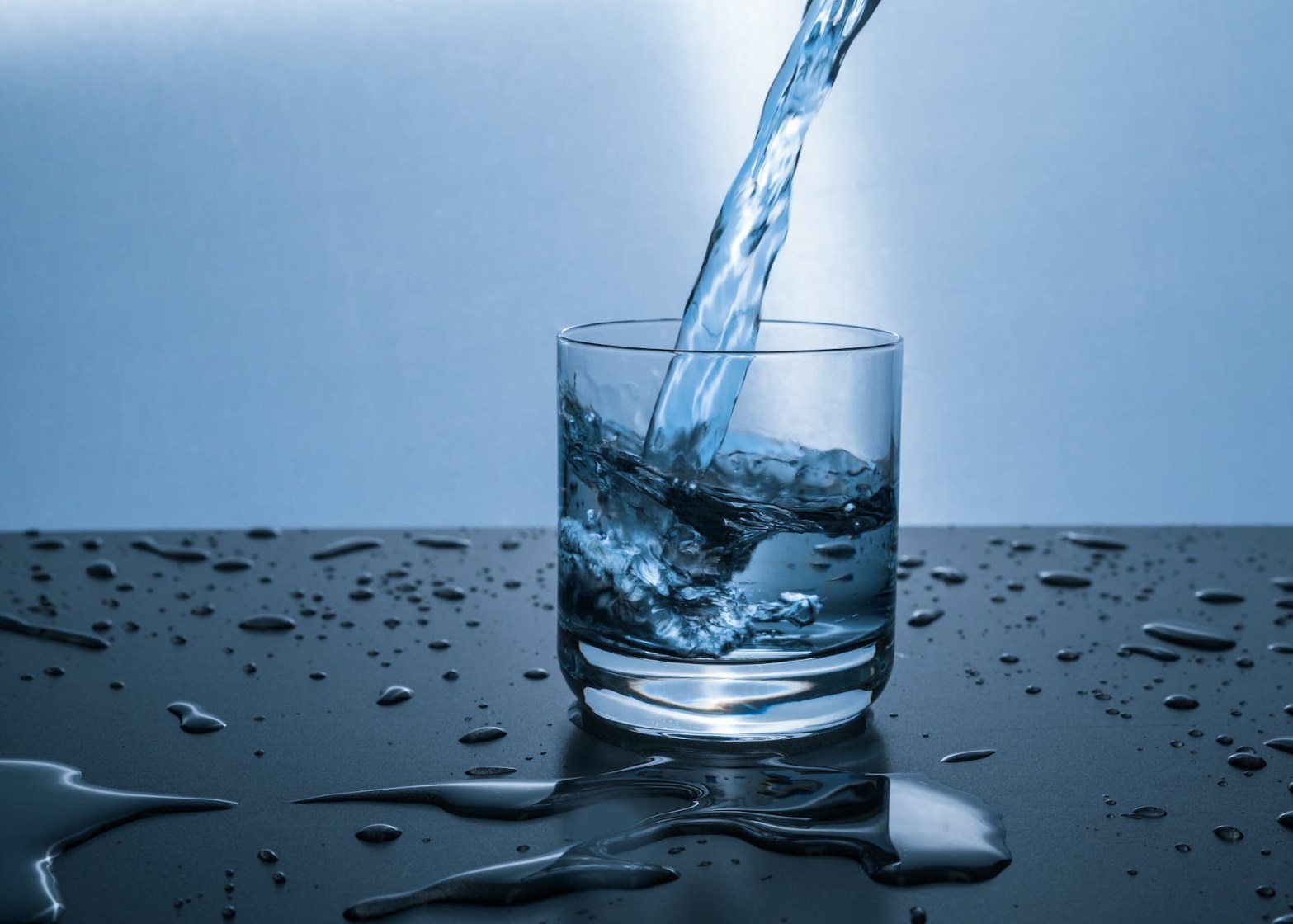
Water is the essence of life, and staying adequately hydrated is vital for your overall health and well-being. At Poleates Playhouse, we understand the significance of maintaining proper hydration, especially in the context of your fitness and well-being journey. In this blog post, we’ll provide you with valuable tips on how to stay hydrated and keep your body feeling refreshed and energized.

Why Hydration Matters

Proper hydration is essential for various bodily functions, including temperature regulation, digestion, circulation, and the transportation of nutrients. Staying hydrated is especially important for those engaging in regular physical activity, as dehydration can lead to reduced performance, muscle cramps, and overheating. Here are some tips to help you stay hydrated:

1. Start Your Day with Water:

Begin your day with a glass of water. After a night’s sleep, your body needs hydration to kickstart its functions. It’s an excellent way to rehydrate after hours of rest.

2. Create a Hydration Routine:

Set reminders to drink water throughout the day. Consider scheduling specific times to take a sip or finishing a glass before meals. Having a routine will make it easier to stay hydrated consistently.

3. Invest in a Reusable Water Bottle:

Carry a reusable water bottle with you wherever you go. Having easy access to water makes it more likely that you’ll remember to drink. Choose a bottle that you like, so you’re motivated to use it regularly.

4. Flavor with Natural Additions:

If plain water doesn’t excite you, add natural flavorings like slices of citrus fruits (lemon, lime, orange), cucumber, or fresh mint. These can make your water more appealing and refreshing.

5. Monitor Your Urine:

Your urine color can be a good indicator of your hydration status. Pale yellow to light straw color is generally a sign of proper hydration. Dark yellow or amber may indicate that you need more water.

6. Balance Electrolytes:

If you engage in intense physical activity or sweat heavily, consider sports drinks or coconut water to help replace lost electrolytes. This is especially important in hot weather.

7. Eat Hydrating Foods:

Include fruits and vegetables with high water content in your diet. Foods like watermelon, cucumber, oranges, and lettuce are great choices.

8. Pay Attention to Thirst:

Listen to your body’s signals. If you’re feeling thirsty, it’s time to hydrate. Sometimes, thirst can be mistaken for hunger, so try drinking water first to see if it alleviates your craving.

9. Hydrate Before, During, and After Exercise:

For your workouts at Poleates Playhouse, make sure to drink water before, during, and after your session. Proper hydration is essential for optimal performance and recovery.

10. Limit Dehydrating Beverages:

Reduce or avoid drinks like caffeinated beverages and alcohol, which can have dehydrating effects. If you consume these, be sure to compensate with extra water.

Poleates Playhouse: Your Partner in Wellness

At Poleates Playhouse, we’re dedicated to supporting your health and wellness journey. Proper hydration is a crucial part of achieving your fitness goals. We encourage you to make staying hydrated a part of your daily routine to ensure you’re always feeling your best when you join us for classes or sessions.

Maintaining proper hydration is essential for your overall health and well-being, especially as you pursue your fitness goals. By following these tips and staying mindful of your water intake, you can ensure that your body is adequately hydrated and ready for action. Stay refreshed, energized, and well-hydrated on your journey to wellness.

Join us at Poleates Playhouse to experience the incredible benefits of staying hydrated while enjoying the transformative power of our fitness programs.

Elevate Your Pilates Practice: Exploring Essential Props for a Dynamic Workout

Pilates, a fitness practice known for its focus on mindful movement and core strength, has evolved over time to incorporate various props that enhance the effectiveness and versatility of exercises. These props add a new dimension to Pilates, targeting specific muscle groups, improving flexibility, and providing a unique challenge. In this blog post, we’ll delve into the world of Pilates props, exploring a range of tools that can take your practice to the next level.

The Role of Props in Pilates

Pilates props are designed to complement and amplify the benefits of traditional Pilates exercises. They provide resistance, support, and assistance, allowing practitioners to engage muscles in different ways and adapt movements to their fitness levels. Props are particularly useful for beginners as well as advanced practitioners seeking to add variety and intensity to their workouts.

1. Resistance Bands

Function: Resistance bands come in various levels of resistance and are used to add external resistance to exercises. They are especially effective for targeting the upper body, legs, and glutes.

Benefits: Resistance bands help strengthen muscles, increase muscle endurance, and improve flexibility. They are versatile and can be incorporated into a wide range of Pilates exercises.

2. Stability Ball

Function: The stability ball, also known as a Swiss ball, is used to challenge balance and stability during exercises. It supports the core, improves posture, and engages deeper muscles.

Benefits: Incorporating a stability ball in your Pilates routine enhances core strength, improves balance, and adds an element of fun to your workout.

3. Pilates Ring (Magic Circle)

Function: The Pilates ring is a flexible metal or rubber circle that provides resistance for both the upper and lower body. It’s often used to engage the inner and outer thigh muscles.

Benefits: The Pilates ring intensifies muscle engagement, particularly in the arms, chest, and lower body. It helps improve muscle tone and supports alignment.

4. Foam Roller

Function: The foam roller is used for self-myofascial release and stretching. It can help release tension, improve mobility, and target trigger points.

Benefits: Incorporating a foam roller in your Pilates routine promotes flexibility, relieves muscle tension, and enhances body awareness.

5. Small Props (Balls, Blocks, Bands)

Function: Small props such as small balls, yoga blocks, and mini resistance bands are used to add challenge and assistance to specific exercises. They provide support for alignment and can intensify muscle engagement.

Benefits: These small props offer targeted muscle activation, support flexibility, and encourage precision in movement.

6. Reformer Machine

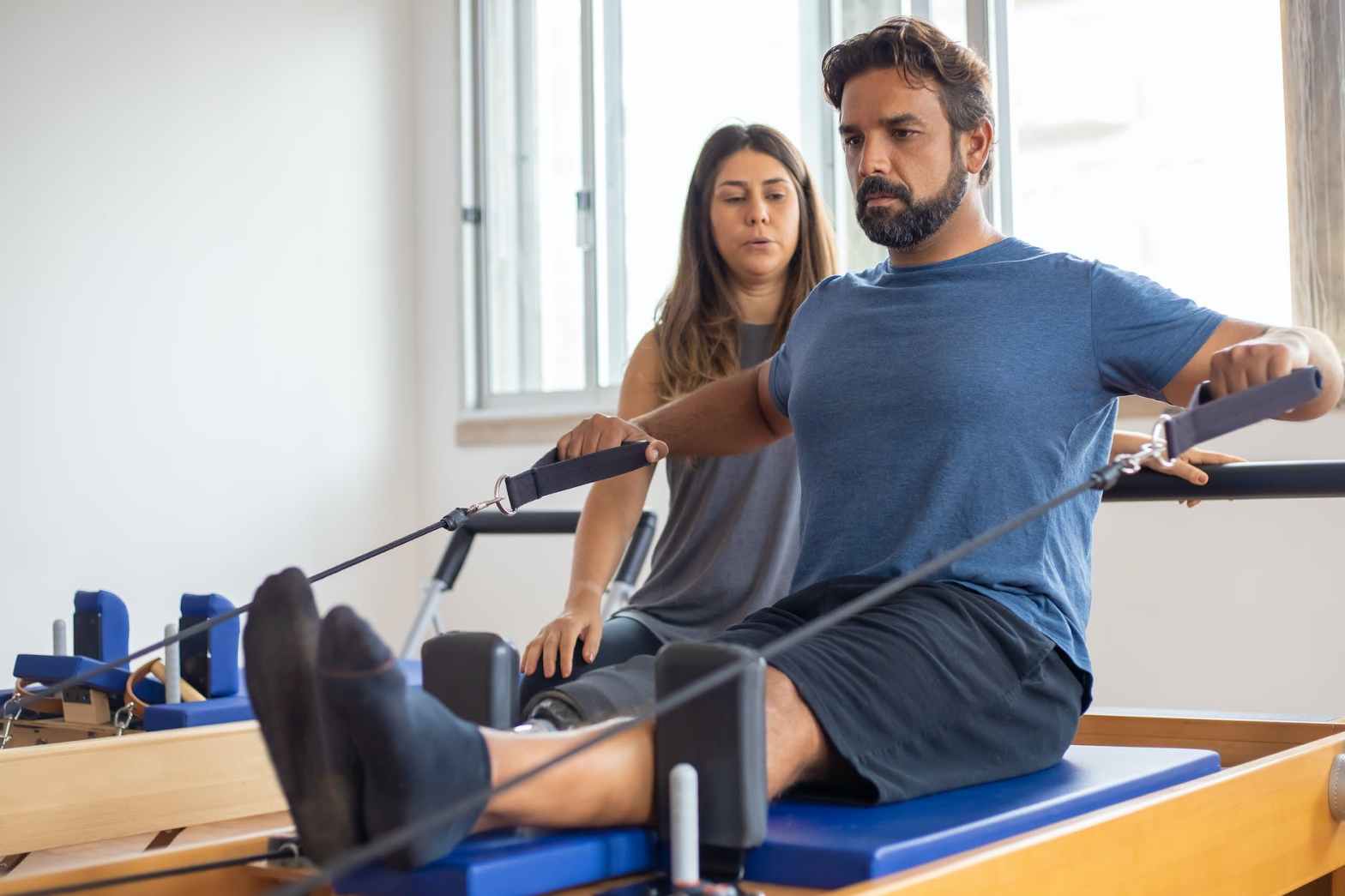
Function: While not portable like other props, the reformer machine is a key component of Pilates equipment. It uses springs, pulleys, and a moving carriage to create resistance and support for a wide range of exercises.

Benefits: The reformer machine offers versatile resistance training, enhances core strength, and supports both beginner and advanced movements.

Pilates props bring a new dimension to your practice, allowing you to tailor exercises to your fitness level, target specific muscle groups, and deepen your mind-body connection. Whether you’re using resistance bands, stability balls, Pilates rings, foam rollers, or other small props, each tool adds its unique benefits to your workout routine. By incorporating these props, you can elevate your Pilates practice, improve overall strength and flexibility, and enjoy a more dynamic and rewarding fitness journey. Remember to consult with a certified Pilates instructor to ensure proper usage and alignment with your fitness goals.

Different Uses for Pilates Small Ball at Poleates Playhouse

Welcome back to the Poleates Playhouse blog, where we’re always exploring exciting ways to elevate your fitness journey. Today, we’re putting the spotlight on a versatile and underestimated piece of equipment – the Pilates ball. This small, inflatable ball is a powerhouse when it comes to enhancing your Pilates practice. Let’s dive into the different uses that can take your workouts to new heights.

1. Core Activation and Stability

Exercise: Pilates Ball Crunches

Enhance your core workout by incorporating Pilates ball crunches. Lie on your back, place the ball between your thighs, and engage your core as you lift into a crunch. The ball adds resistance, targeting your abdominal muscles and improving stability.

2. Balance and Coordination

Exercise: Seated Ball Balance

Sit on the Pilates ball with your feet flat on the ground. Engage your core and lift one foot at a time, finding your balance. This exercise challenges your stability and coordination, helping you build a stronger mind-body connection.

3. Spine Alignment and Flexibility

Exercise: Back Extension Over the Ball

Lie face down over the Pilates ball with your hands on the floor. Inhale as you lift your chest and extend your spine. This exercise promotes flexibility and helps align your spine, providing a rejuvenating stretch for your back.

4. Leg and Glute Strengthening

Exercise: Bridge with Pilates Ball Squeeze

Place the Pilates ball between your knees while lying on your back with your feet hip-width apart. Lift your hips into a bridge while squeezing the ball. This targets your glutes and inner thighs, offering an effective lower body workout.

5. Improving Posture

Exercise: Wall Squats with Pilates Ball

Stand against a wall with the Pilates ball between your lower back and the wall. Perform squats, keeping the ball in place. This exercise promotes proper spinal alignment, strengthens your legs, and works on overall posture.

6. Enhancing Stretching Poses

Exercise: Chest Opener Stretch

While seated or standing, hold the Pilates ball behind your back with both hands. Gently lift and open your chest, feeling a deep stretch across your shoulders and chest. This exercise is excellent for countering the effects of hunching over during the day.

7. Massage and Self-Myofascial Release

Technique: Self-Massage for Tight Muscles

Use the Pilates ball to target tight muscles through self-massage. Place the ball between your body and a wall or the floor, applying gentle pressure to release tension and improve circulation.

Conclusion: Elevate Your Pilates Experience

The Pilates ball at Poleates Playhouse isn’t just a piece of equipment; it’s a dynamic tool that can transform your workouts. From core activation to balance challenges, flexibility improvement to muscle strengthening, the possibilities are endless. Incorporate these Pilates ball exercises into your routine, and discover a new dimension of fitness at Poleates Playhouse.

Stay tuned for more tips, inspiration, and innovative ways to enhance your wellness journey. Until next time, grab your Pilates ball, embrace the versatility, and let’s elevate our fitness game together!

The Cadillac Pilates: Elevate Your Practice with Versatility and Grace

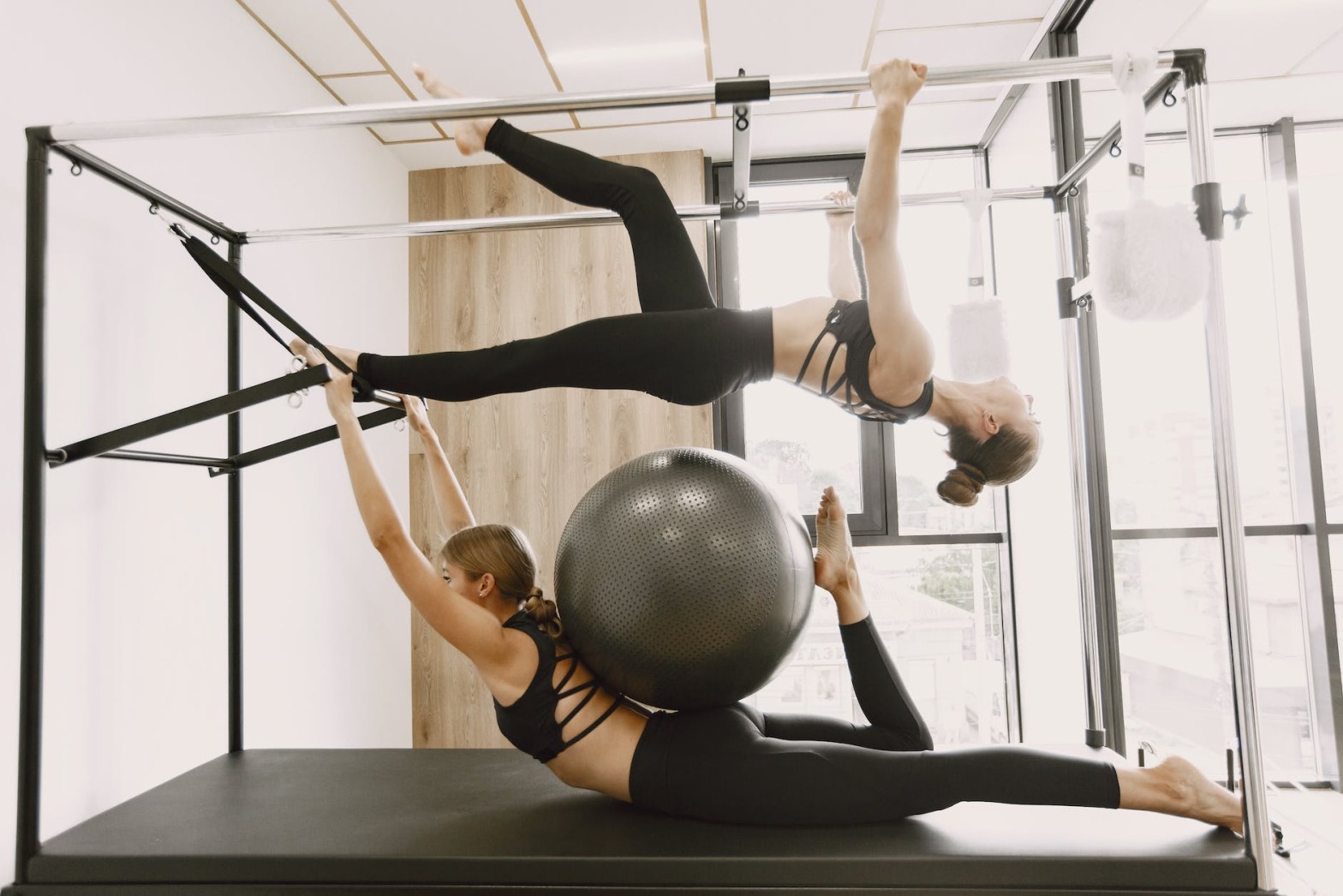
Pilates, with its diverse range of equipment, offers a plethora of exercise possibilities that cater to various fitness levels and goals. Among these equipment, the Cadillac stands out as a versatile and elegant apparatus that elevates the Pilates experience to new heights. Originally designed by Joseph Pilates himself, the Cadillac, also known as the Trapeze Table, offers a multitude of exercises that promote strength, flexibility, and overall body awareness. In this blog post, we’ll explore the Cadillac Pilates and discover why it is a beloved and transformative addition to any Pilates practice.

  1. The Anatomy of the Cadillac

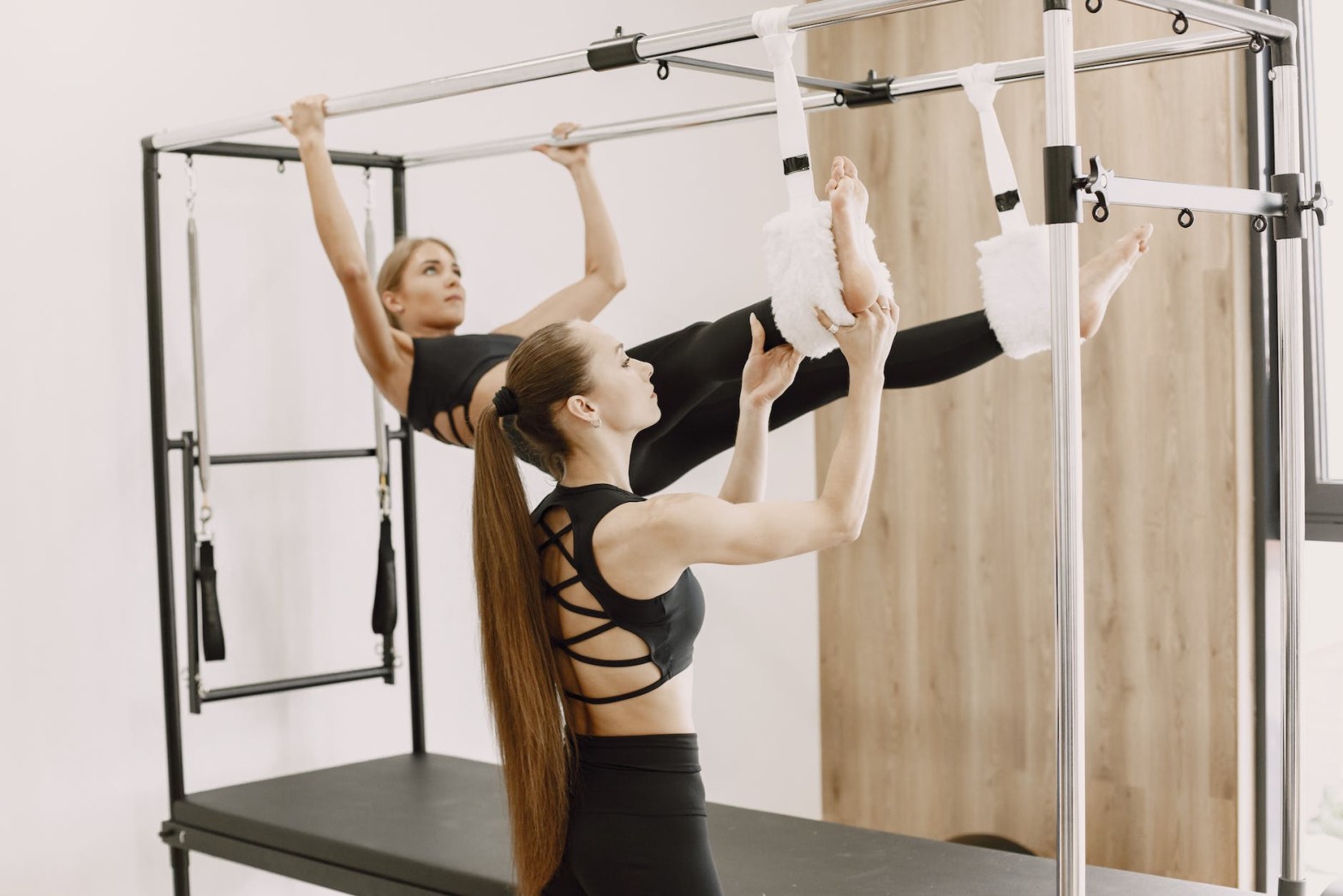
The Cadillac is a unique piece of Pilates equipment consisting of a sturdy, raised frame with a padded surface. It features adjustable bars, springs, and a trapeze, providing support and resistance to facilitate a wide range of exercises. The versatility of the Cadillac makes it suitable for individuals of all ages and abilities, including those seeking rehabilitation or looking to enhance athletic performance.

  1. Full-Body Workout

The Cadillac Pilates offers a comprehensive full-body workout that targets every major muscle group. From the core-strengthening exercises to the challenges of the upper and lower body, the Cadillac allows for endless variations, making each session engaging and effective. The apparatus supports both strength and flexibility training, resulting in a balanced and functional physique.

  1. Core Stability and Alignment

Core stability is a foundational aspect of Pilates, and the Cadillac excels at promoting it. The combination of spring resistance and bodyweight exercises on the Cadillac demands controlled movements, engaging deep core muscles and stabilizers. As practitioners work with the Cadillac’s apparatus, they develop a heightened sense of body awareness and proper alignment.

  1. Gentle and Supportive Rehabilitation

The Cadillac is an excellent tool for rehabilitation purposes, providing gentle and controlled movements that aid in injury recovery and post-surgical rehabilitation. Physical therapists often incorporate the Cadillac into their treatment plans due to its adaptability and ability to target specific muscle groups and joints safely.

  1. Stretching and Flexibility

Flexibility is a key component of Pilates, and the Cadillac facilitates elongation and stretching in various positions. The adjustable bars and springs allow for customized stretching exercises, improving flexibility and range of motion in the joints while maintaining stability and support.

  1. Aerial Aspects and Fun Fusion

The Cadillac’s trapeze aspect adds a playful and dynamic element to Pilates. Aerial exercises challenge balance, coordination, and upper body strength, offering a unique and enjoyable experience. Additionally, the Cadillac can be combined with other Pilates equipment or fused with elements of dance, yoga, and functional training, providing endless opportunities for creativity and variety in workouts.

The Cadillac Pilates, with its combination of versatility, elegance, and functionality, is a powerful tool that takes the Pilates experience to new heights. From its supportive rehabilitation benefits to its full-body workout capabilities, the Cadillac is a beloved apparatus that caters to individuals of all fitness levels and goals. Embrace the Cadillac as an integral part of your Pilates practice, and unlock a world of possibilities that will elevate your strength, flexibility, and body awareness to new horizons. With the Cadillac as your guide, experience the transformative power of Pilates as you soar towards a more balanced, aligned, and joyful body and mind.

Cross-Pattern Movement: Elevate Your Brain at Poleates Playhouse

Welcome to Poleates Playhouse, where we believe in the fusion of artistry, strength, and brain-boosting movements. In this blog post, we’re going to explore the fascinating world of cross-pattern movement and how incorporating it into your Poleates routine can not only sculpt your body but also stimulate your mind for a holistic fitness experience.

The Basics of Cross-Pattern Movement:

Cross-pattern movement involves engaging both sides of the body in a coordinated manner, promoting communication between the brain’s hemispheres. This type of movement is characterized by the crossing of the midline of the body and plays a crucial role in cognitive development and overall brain health.

Poleates and Cross-Pattern Movement:

At Poleates Playhouse, we seamlessly integrate cross-pattern movement into our routines, enhancing the mind-body connection and delivering a workout that’s as beneficial for your brain as it is for your muscles.

  1. Spins and Turns:
    • Pole Dance inherently involves spins and turns that require coordinated movement.
    • Initiating and executing these maneuvers engage both sides of the body, promoting cross-pattern movement.
  2. Choreography Sequences:
    • Our choreographed routines often incorporate dynamic sequences that involve crossing the midline.
    • Memorizing and executing these sequences challenges your brain and enhances cognitive function.
  3. Pilates Integration:
    • Pilates exercises at Poleates Playhouse frequently involve controlled and precise movements that engage multiple muscle groups simultaneously.
    • The deliberate coordination required in Pilates routines supports cross-pattern movement.

Benefits of Cross-Pattern Movement for Your Brain:

  1. Enhanced Cognitive Function:
    • Stimulates neural connections and improves cognitive abilities.
    • Boosts memory and enhances overall brain function.
  2. Improved Coordination:
    • Enhances coordination and balance as both sides of the body work together.
    • Increases spatial awareness and proprioception.
  3. Neuroplasticity Activation:
    • Encourages neuroplasticity, the brain’s ability to adapt and reorganize.
    • Fosters a more agile and adaptable mind.
  4. Mood Elevation:
    • Releases endorphins and reduces stress levels.
    • Promotes a positive mindset and mental well-being.

How to Maximize the Brain-Boosting Benefits:

  1. Focus on Form:
    • Pay attention to your form during Poleates sessions to ensure proper engagement of both sides of the body.
    • Concentrate on smooth and controlled movements to maximize the impact on your brain.
  2. Challenge Yourself:
    • Gradually increase the complexity of your routines to continually challenge your brain.
    • Introduce new spins, turns, and sequences to keep your mind active and engaged.
  3. Consistency is Key:
    • Regular Poleates practice enhances the cumulative benefits of cross-pattern movement.
    • Make Poleates a consistent part of your fitness routine for optimal brain health.

At Poleates Playhouse, we believe that fitness is not just about sculpting the body but also nurturing the mind. By embracing the power of cross-pattern movement in your Poleates practice, you’re not only achieving physical strength and grace but also giving your brain a workout that will leave you feeling empowered, focused, and ready to conquer any challenge that comes your way. Elevate both your body and your mind at Poleates Playhouse – where fitness meets artistry and intelligence intertwines with strength.