Silicone vs. Chrome: Exploring the Differences in Pole Dancing Poles

Pole-ates Playhouse – Your Hub for Mindful Movement

When it comes to pole dancing, the choice of pole surface can significantly impact your performance and training experience. Two popular options are silicone and chrome poles. In this blog post, we’ll explore the differences between these two pole surfaces, helping you make an informed decision based on your preferences and needs.

Silicone Poles: Grip and Comfort

Silicone poles, often referred to as “grip poles,” have a layer of silicone coating that provides a high level of grip and comfort. Here’s what you need to know about them:

1. Grip: Silicone poles offer excellent grip, making them ideal for performers who need to execute intricate moves, spins, and tricks without worrying about slipping.

2. Comfort: The silicone surface is soft and comfortable on the skin, which is particularly appreciated during extended training sessions.

3. Grip Aid: Silicone poles require little to no additional grip aid, such as grip aids or chalk, making them suitable for those who prefer a more natural feel.

4. Ideal for Spinners: If you love spinning on the pole, silicone surfaces offer a consistent grip, allowing for smoother rotations.

5. Warm-Up Friendly: Silicone poles can be less taxing on your hands during warm-ups and initial training, making them accessible to beginners.

Chrome Poles: Sleek and Versatile

Chrome poles have a sleek, metallic finish that provides a different set of advantages:

1. Durability: Chrome surfaces are highly durable and resistant to wear and tear, making them a long-lasting choice.

2. Versatility: Chrome poles are versatile and accommodate various types of dance, from sensual routines to intense athletic performances.

3. Spin-Friendly: Chrome poles provide a smoother surface for spins, making them suitable for those who love fast rotations.

4. Gripping Options: Chrome poles allow you to choose your preferred grip aids or accessories to tailor the level of grip to your needs.

5. Aesthetic Appeal: The shiny chrome finish has an elegant and classic look that complements different pole dance styles.

Choosing the Right Pole

Ultimately, the choice between silicone and chrome poles depends on your preferences and goals. Consider the following factors:

  • Grip: If grip is your top priority and you perform intricate moves or static holds, silicone poles may be the better choice.
  • Comfort: If you prioritize comfort, especially for extended practice sessions, silicone poles offer a softer touch.
  • Durability: Chrome poles are highly durable and can withstand heavy use and frequent practice.
  • Versatility: If you want a pole that can handle a variety of dance styles, including spinning and static, chrome poles are a versatile option.
  • Aesthetic Preferences: Consider the look you want for your pole, as both silicone and chrome have their unique aesthetic appeal.

In Conclusion

Both silicone and chrome poles have their merits, and the right choice depends on your specific needs and preferences as a pole dancer. Whichever surface you choose, remember that practice, proper technique, and safety should always be your priorities.

Exploring the Essence of Classic Pilates: A Journey to Mindful Movement

In today’s fast-paced world, where the hustle and bustle of life often takes center stage, finding moments of tranquility and connection with one’s body can be a challenge. This is where the timeless practice of Classic Pilates comes into play. Developed by Joseph Pilates in the early 20th century, Classic Pilates offers a holistic approach to fitness that focuses not only on physical strength but also on mental clarity and mindful movement.

The Origins of Classic Pilates

Joseph Pilates, a German physical trainer, invented what is now known as Pilates in the aftermath of World War I. Drawing inspiration from his background in gymnastics, yoga, martial arts, and anatomy, he developed a series of exercises that aimed to improve flexibility, strength, and overall body control. The core principles of Pilates were deeply rooted in the idea of achieving a balanced and harmonious connection between the body, mind, and spirit.

The Core Principles of Classic Pilates

  1. Breath: Central to the practice of Classic Pilates is the emphasis on conscious and controlled breathing. Joseph Pilates believed that proper breathing was essential for promoting efficient oxygenation of the blood and creating a sense of inner calm. The coordination of breath with movement is a fundamental aspect of Classic Pilates exercises.
  2. Concentration: Classic Pilates encourages practitioners to engage in each movement with focused attention. This concentration fosters a heightened mind-body connection, allowing participants to better understand their body’s alignment, imbalances, and areas of improvement.
  3. Control: Controlled and precise movements lie at the heart of Classic Pilates. Rather than rushing through exercises, practitioners are encouraged to move deliberately, maintaining proper form and alignment. This control not only prevents strain and injury but also ensures that the intended muscles are being targeted effectively.
  4. Centering: Classic Pilates places a strong emphasis on the body’s core, often referred to as the “powerhouse.” Strengthening the core muscles provides a stable foundation for movement and enhances overall body strength and coordination.
  5. Precision: Each movement in Classic Pilates is executed with precision and intention. The goal is not to perform a high number of repetitions but rather to perform each movement correctly. This attention to detail helps in developing a deeper understanding of the body’s mechanics.
  6. Flow: Classic Pilates encourages flowing and seamless transitions between exercises. This fluidity creates a sense of rhythm and grace in movement, promoting a more holistic and interconnected experience.
  7. Routine: Regular practice is a cornerstone of Classic Pilates. Consistency allows the body to adapt and improve gradually over time, resulting in lasting benefits.

Benefits of Classic Pilates

  1. Improved Posture: Classic Pilates places a strong emphasis on spinal alignment and core strength, leading to improved posture and reduced strain on the spine.
  2. Enhanced Flexibility: The controlled stretches in Classic Pilates contribute to increased flexibility and range of motion in joints and muscles.
  3. Core Strength: The focus on the core muscles not only aids in stability and balance but also supports the entire body during movement.
  4. Mind-Body Connection: The mindfulness and concentration required in Classic Pilates foster a deep connection between the mind and body, promoting a sense of self-awareness and control.
  5. Stress Relief: The emphasis on controlled breathing and mindful movement can have a calming effect, making Classic Pilates an effective way to alleviate stress and anxiety.

Classic Pilates is more than just a physical exercise regimen; it’s a philosophy that advocates for a balanced and harmonious connection between the body and mind. By incorporating the core principles of breath, concentration, control, centering, precision, flow, and routine, practitioners can experience improved physical strength, flexibility, and mental clarity. In a world that often encourages haste, Classic Pilates offers a sanctuary of mindful movement, allowing individuals to rediscover the joy of being present in their bodies and embracing the beauty of holistic well-being.

Pilates for Back Pain – A Path to Relief and Strength

Welcome to Poleates Playhouse, your hub for fitness and wellness insights. In this post, we’ll explore how Pilates, a holistic exercise method, can be a powerful tool for managing and alleviating back pain.

The Battle with Back Pain

Back pain is a widespread issue that can range from mild discomfort to debilitating agony. It’s often caused by a variety of factors, including poor posture, muscle imbalances, stress, and injuries. Finding relief and long-term solutions can be a challenge, but Pilates offers a promising path forward.

The Pilates Approach to Back Pain

Pilates, created by Joseph Pilates in the early 20th century, focuses on building core strength, flexibility, and body awareness. These principles make it a natural fit for those seeking relief from back pain.

Core Strengthening: A robust core is essential for back support and stability. Pilates targets the deep core muscles, including the transverse abdominis and multifidus, which play a crucial role in spinal health.

Spinal Mobility: Pilates exercises emphasize spinal articulation, helping to improve mobility and alleviate stiffness in the back. This is particularly beneficial for individuals with conditions like herniated discs or spinal stenosis.

Posture Correction: Pilates emphasizes proper alignment and body awareness, encouraging good posture. This can help prevent and alleviate back pain related to poor posture habits.

Muscle Balance: Pilates exercises work to balance the muscles surrounding the spine, promoting an even distribution of force and reducing strain on the back.

Mind-Body Connection: Pilates encourages mindfulness, allowing practitioners to become more aware of their body and movements. This awareness can help identify and address the root causes of back pain.

Tailoring Pilates for Back Pain Relief

For those dealing with back pain, it’s crucial to work with a qualified Pilates instructor. They can tailor exercises to your specific needs and limitations. Here are some considerations when using Pilates to address back pain:

  1. Consult with a Healthcare Professional: Before beginning a Pilates program, consult with a healthcare professional, particularly if you have a medical condition or history of back injuries.
  2. Choose the Right Instructor: Select a Pilates instructor experienced in working with individuals with back pain. They can provide proper guidance and adjustments to ensure your safety.
  3. Customized Routine: Your instructor will design a personalized Pilates routine that focuses on strengthening and stretching the areas that need attention while avoiding movements that could exacerbate your pain.
  4. Start Slowly: If you’re new to Pilates, or if you’re dealing with severe back pain, start slowly and progress gradually. Avoid any exercises that cause discomfort.

Preventing Future Back Pain with Pilates

Pilates isn’t only about addressing existing pain; it’s also an excellent tool for preventing future issues:

  1. Consistent Practice: Regular Pilates practice can help maintain a strong, flexible, and balanced back, reducing the risk of future pain.
  2. Mindful Movement: The body awareness developed through Pilates can influence your daily movements, making you more conscious of your posture and alignment.
  3. Holistic Approach: Combine Pilates with other forms of exercise, such as cardiovascular workouts, to maintain overall physical health.

Final Thoughts

Pilates is not a one-size-fits-all solution for back pain, but when approached thoughtfully and with expert guidance, it can be a transformative method for finding relief, building strength, and achieving long-term back health. Whether you’re recovering from an injury or aiming to prevent future pain, Pilates can be your steadfast partner on the path to a pain-free and active life.

Exploring the Core: Classical Pilates vs. Modern Pilates

In the realm of fitness, few exercises have garnered as much attention and acclaim as Pilates. Developed by Joseph Pilates in the early 20th century, this method of exercise has evolved over time, giving rise to both classical and modern approaches. At Poleates Playhouse, we understand the importance of distinguishing between these two styles to help our clients make informed decisions about their fitness journey. Join us as we delve into the nuances of Classical Pilates and Modern Pilates to uncover their similarities, differences, and unique benefits.

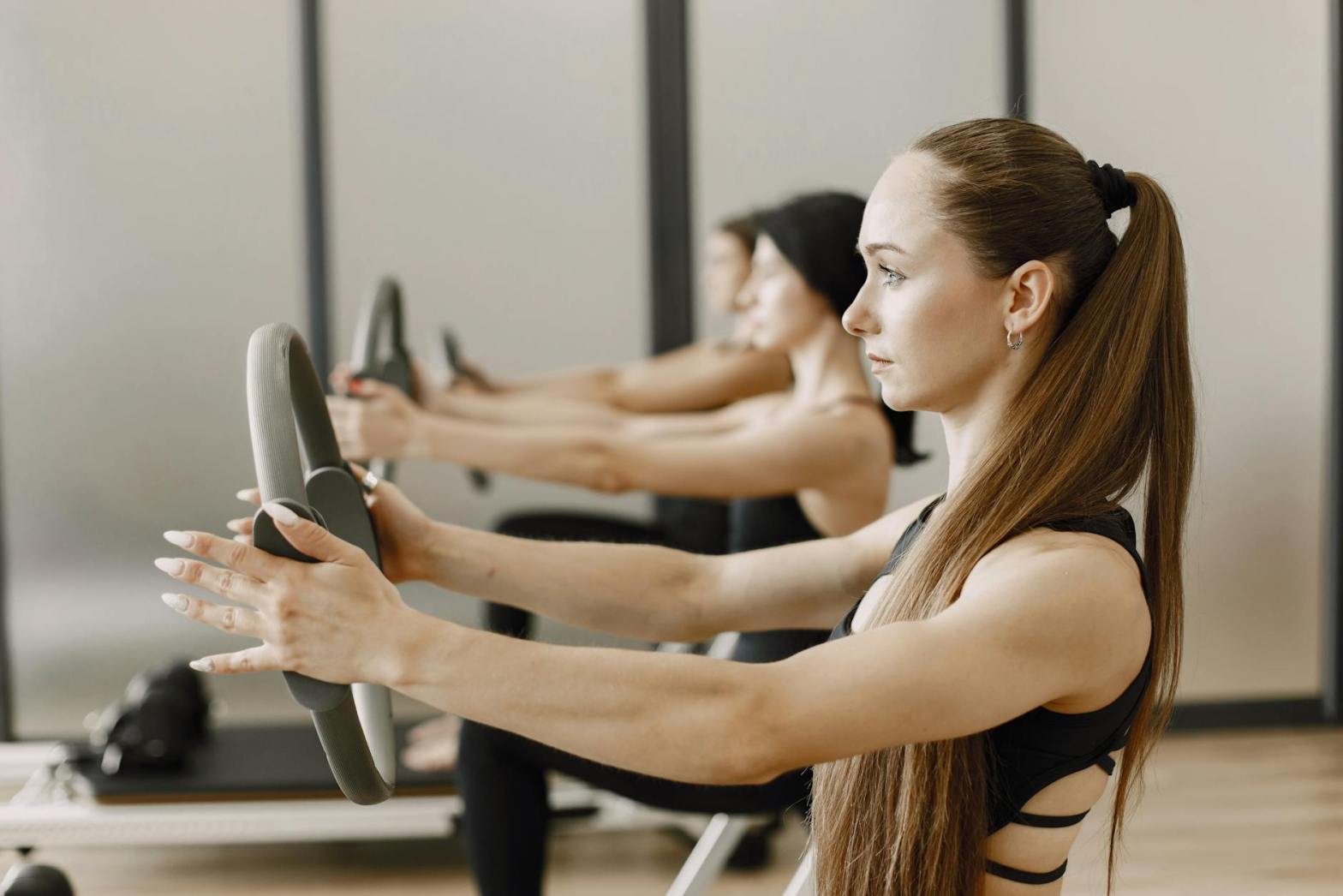
Classical Pilates: Honoring Tradition Classical Pilates stays true to Joseph Pilates’ original method, emphasizing precise movements, controlled breathing, and a specific sequence of exercises performed on specialized equipment like the reformer, Cadillac, and Wunda chair. The focus is on building strength, flexibility, and endurance while maintaining alignment and engaging the core muscles throughout each movement.

Key Characteristics of Classical Pilates:

  1. Sequential Order: Exercises are performed in a specific sequence designed to flow seamlessly from one to the next, ensuring a full-body workout.
  2. Equipment-Based: Classical Pilates utilizes traditional apparatus to provide resistance and support, facilitating proper form and alignment.
  3. Mind-Body Connection: Practitioners are encouraged to concentrate on proper breathing techniques and mindful movement, fostering a deeper connection between the body and mind.

Benefits of Classical Pilates:

  • Improved Core Strength: By targeting the deep core muscles, Classical Pilates helps develop a strong and stable core, enhancing overall posture and alignment.
  • Increased Flexibility: The controlled movements and stretching exercises in Classical Pilates promote flexibility, reducing the risk of injury and enhancing range of motion.
  • Mindful Movement: Through focused breathing and precise execution of exercises, practitioners cultivate mindfulness and body awareness, promoting relaxation and stress relief.

Modern Pilates: Evolving with the Times Modern Pilates builds upon the foundation laid by Joseph Pilates, incorporating contemporary knowledge of anatomy, biomechanics, and exercise science. While still honoring the principles of the original method, Modern Pilates introduces variations, modifications, and innovative equipment to cater to diverse populations and fitness goals.

Key Characteristics of Modern Pilates:

  1. Adaptability: Modern Pilates offers a more flexible approach, allowing for modifications and variations to suit individual needs, abilities, and limitations.
  2. Fusion of Modalities: Drawing inspiration from other fitness disciplines such as yoga, dance, and physical therapy, Modern Pilates incorporates diverse movements and techniques to create dynamic workouts.
  3. Contemporary Equipment: In addition to traditional apparatus, Modern Pilates may incorporate props like stability balls, resistance bands, and foam rollers to add variety and challenge to workouts.

Benefits of Modern Pilates:

  • Accessibility: With its emphasis on adaptability and inclusivity, Modern Pilates welcomes individuals of all ages, fitness levels, and backgrounds, making it accessible to a wider audience.
  • Versatility: The fusion of different movement modalities in Modern Pilates offers a diverse range of exercises and variations, allowing for endless possibilities in programming and customization.
  • Functional Fitness: Modern Pilates focuses on functional movement patterns that translate to everyday activities, improving overall mobility, stability, and balance.

Whether you’re drawn to the traditional discipline of Classical Pilates or the innovative approach of Modern Pilates, both styles offer valuable benefits for enhancing physical fitness, mental well-being, and overall quality of life. At Poleates Playhouse, we embrace the diversity of Pilates practices and strive to provide a supportive environment where individuals can explore and experience the transformative power of this timeless exercise method. Join us on the journey to discovering the joy of movement and the strength of your core, one Pilates class at a time!

Grip, Glide, and Shine: The Ultimate Guide to Cleaning Your Pole at Poleates Playhouse

At Poleates Playhouse, we know that the key to a flawless performance lies in the details. One such crucial detail is the cleanliness of your pole. Whether you’re a seasoned pole dancer or just starting your journey, maintaining a clean and grippable pole is essential for a safe and spectacular performance. In this blog post, we’ll explore what pole dancers use to clean their poles and share some tips to keep your pole in top-notch condition.

  1. Isopropyl Alcohol:
    • Widely considered a staple in the pole dancing community, isopropyl alcohol is a go-to for cleaning poles. It effectively removes body oils, sweat, and any residue that might affect your grip. Simply apply a small amount to a clean cloth and wipe down the pole.
  2. Dedicated Pole Cleaner:
    • Many pole dancing enthusiasts opt for specialized pole cleaners available in the market. These cleaners are formulated to clean and maintain the finish of your pole without leaving any residue. Follow the instructions on the product for optimal results.
  3. Baby Wipes:
    • For a quick and convenient clean, baby wipes can be a lifesaver. They are gentle on the pole’s surface and effectively remove dirt and oils. Keep a pack in your pole dance bag for on-the-go cleaning.
  4. Vinegar and Water Solution:
    • A natural and budget-friendly option, a mixture of white vinegar and water can be an effective DIY pole cleaner. Combine equal parts vinegar and water, apply it to a cloth, and wipe down the pole. Make sure to dry the pole thoroughly afterward.
  5. Pole Grip Aids:
    • Some pole dancers use grip aids that not only enhance their hold but also help in keeping the pole clean. These grip aids often have anti-bacterial properties, contributing to a hygienic practice surface.

Tips for Cleaning and Maintenance:

  • Consistent Cleaning Routine:
    • Make pole cleaning a regular part of your practice routine. The frequency may vary depending on your usage and the environment, but aim for at least once a week.
  • Inspect for Wear and Tear:
    • Periodically inspect your pole for any signs of wear and tear. This includes checking for scratches, dents, or changes in grip quality. Address any issues promptly to ensure a safe pole dance experience.
  • Dry Thoroughly:
    • After cleaning, ensure that the pole is completely dry before using it for your next session. Moisture can affect your grip and may lead to slips.
  • Mindful Pole Storage:
    • When not in use, store your pole in a cool and dry place. Avoid direct sunlight, extreme temperatures, and areas with high humidity.

Your pole is more than just a prop; it’s your partner in every breathtaking spin and gravity-defying move. By using the right cleaning methods and maintaining a consistent routine, you’ll not only enhance your grip but also prolong the life of your pole. So, let’s keep those spins smooth, grips strong, and the spotlight firmly on your sensational pole dance performances at Poleates Playhouse!

Building Endurance in Pilates: Your Guide to Stamina and Strength

Welcome back to the Poleates Playhouse blog! Today, we’re diving into the world of Pilates and exploring valuable tips to boost your endurance during those challenging yet rewarding classes. Whether you’re a Pilates pro or just starting, these tips will help you power through your sessions and emerge stronger than ever.

1. Breathe Mindfully: The Power of Breath

One of the foundational principles of Pilates is breath control. Mindful breathing not only enhances your focus but also ensures that your muscles receive a constant flow of oxygen. Practice deep, controlled breathing, and sync your movements with each inhale and exhale. This helps reduce fatigue and increases your endurance throughout the entire session.

2. Maintain Proper Form: Quality Over Quantity

It’s tempting to speed through exercises, especially when you’re aiming to complete a set. However, maintaining proper form is crucial for building endurance effectively. Focus on the quality of your movements rather than the quantity. This not only prevents injury but also engages the right muscles, maximizing the benefits of each exercise.

3. Progress Gradually: Challenge Yourself Safely

Endurance is built over time. Don’t be afraid to challenge yourself, but do so gradually. Increase the intensity or duration of your Pilates exercises progressively. This approach allows your body to adapt, reducing the risk of burnout and promoting long-term stamina.

4. Hydrate and Refuel: Fuel Your Energy

Staying hydrated is key to maintaining energy levels during a Pilates class. Make sure to drink water throughout the day and consider having a light snack with a balance of carbohydrates and protein before your session. This provides your body with the necessary fuel to power through the movements.

5. Listen to Your Body: Rest When Needed

While pushing your limits is essential for progress, it’s equally important to listen to your body. If you feel fatigued or experience discomfort beyond the usual challenge, take a moment to rest. Pushing through excessive fatigue can lead to poor form and potential injury. Listen to your body, and honor its need for rest when required.

6. Mix Up Your Routine: Prevent Boredom

Variety is the spice of life, and the same holds true for your Pilates routine. To prevent boredom and keep your body guessing, mix up your exercises. Try different Pilates styles, incorporate props, or explore new class formats. This not only challenges your endurance from different angles but also keeps your workouts exciting and engaging.

7. Set Realistic Goals: Celebrate Achievements

Establishing achievable goals is a great way to stay motivated and build endurance. Set both short-term and long-term goals, celebrating your achievements along the way. Whether it’s holding a challenging pose for an extra 10 seconds or completing an advanced routine, recognizing your progress boosts confidence and fuels your commitment to Pilates.

Conclusion: Your Pilates Journey

Building endurance in Pilates is a gradual and rewarding process. By incorporating these tips into your routine, you’ll not only power through your classes but also emerge with increased strength, flexibility, and stamina. Remember, each Pilates class is a step forward in your wellness journey. Embrace the challenge, celebrate your victories, and enjoy the incredible benefits Pilates has to offer.

Stay tuned for more tips, insights, and inspiration from Poleates Playhouse. Until next time, keep moving, keep breathing, and enjoy the journey!

What to Expect in a Pole Fitness Private Session

Welcome to Poleates Playhouse, your trusted source for fitness and wellness insights. If you’re considering a private pole fitness session, you’re in for a unique and personalized fitness experience. In this blog post, we’ll explore what you can expect in a private pole fitness class.

Private Pole Fitness: A Personalized Adventure

Private pole fitness sessions offer an exclusive, one-on-one opportunity to explore the art of pole dancing and develop your strength, flexibility, and self-confidence. These sessions are designed to cater to your specific goals and abilities.

What to Expect in a Private Pole Fitness Class

  1. Personalized Instruction: The primary advantage of a private pole fitness class is the personalized attention you receive from a certified pole dance instructor. Your instructor will work with you one-on-one to create a program tailored to your unique goals and needs.
  2. Assessment and Goal Setting: At the start of your private session, you can expect an in-depth assessment to understand your current fitness level, your background in pole dancing, and your objectives. This helps the instructor design a program that’s just right for you.
  3. Customized Workouts: Your instructor will craft a series of pole dancing exercises and routines based on your assessed level. These can range from basic spins and tricks to more advanced combinations, all designed to push your boundaries while ensuring your safety.
  4. Technique and Form: A private class allows for in-depth focus on technique and form. Your instructor will provide continuous feedback to ensure you’re executing moves correctly and safely.
  5. Progress Monitoring: Your progress will be closely monitored, and the instructor will adjust the complexity of your workouts as you advance. This ensures that your pole dancing skills evolve over time.
  6. Variety and Creativity: Your instructor may introduce a variety of pole dance moves, including spins, climbs, inversions, and transitions, to keep the sessions engaging and challenging.
  7. Support and Encouragement: A private pole fitness class is an opportunity to receive personalized encouragement and support. Your instructor will motivate you to explore your limits, conquer your fears, and achieve your goals.

A Focus on Safety and Fun

In both private and group pole fitness sessions, safety is paramount. Pole dancing instructors are trained to ensure that students perform exercises safely and gradually progress to more challenging moves. A private session provides an ideal environment for personalized safety guidance.

Beyond safety, pole fitness is about having fun. Private sessions offer you a space to explore your creativity, express yourself, and enjoy the empowering and artistic side of pole dancing.

Tailored to Your Needs

Whether you’re an absolute beginner or a seasoned pole dancer, a private session can be adapted to your current level and aspirations. If you have specific goals, such as preparing for a performance or competition, your instructor can create a tailored plan to help you reach those goals.

A private pole fitness session is a fantastic way to dive deeper into the art of pole dancing, gain confidence, and reach your fitness goals. It provides a unique and highly personalized experience, led by a dedicated instructor who is passionate about helping you discover your full potential on the pole. So, get ready to embrace this intimate and exciting journey in the world of pole fitness.

The Cost of Pilates: Unraveling the Price Tag

Pole-ates Playhouse – Your Hub for Mindful Movement

If you’ve ever considered taking up Pilates, you might have encountered the perception that it’s an expensive fitness regimen. While it’s true that Pilates can come with a higher price tag compared to some other exercise options, there are reasons behind the cost. In this blog post, we’ll explore why Pilates can be perceived as expensive and why it’s worth the investment.

**1. Specialized Equipment

One of the primary reasons for the perceived expense of Pilates is the specialized equipment used in many Pilates studios. Reformer machines, Cadillac machines, and Wunda chairs are just a few examples. These pieces of equipment are designed to support your Pilates practice by providing resistance, assistance, and alignment feedback. Their quality and maintenance contribute to the overall cost of Pilates classes.

**2. Certified Instructors

Pilates instructors undergo rigorous training and certification processes, which require both time and financial investment. Certified instructors have a deep understanding of Pilates principles, anatomy, and teaching techniques. Their expertise ensures that you receive safe and effective guidance during your Pilates sessions.

**3. Small Class Sizes

Pilates classes are often intentionally kept small to provide personalized attention and guidance. While larger fitness classes may accommodate dozens of participants, Pilates classes typically have fewer attendees to allow instructors to focus on individual needs. This small class size can mean a higher per-class cost.

**4. Studio Overhead

Maintaining a Pilates studio involves expenses such as rent, utilities, equipment maintenance, and insurance. These overhead costs are factored into the price of classes to keep the studio operational and provide a clean and safe environment for clients.

**5. Customized Programs

Pilates instructors tailor programs to meet the unique needs and goals of each client. This personalized approach ensures that you receive a workout plan that addresses your specific concerns, whether it’s rehabilitation, core strength, flexibility, or stress relief.

**6. Quality and Expertise

In Pilates, you’re not just paying for a workout; you’re investing in quality instruction and expertise. Certified Pilates instructors can help you achieve your fitness goals safely and efficiently, reducing the risk of injury and ensuring you make progress.

Is Pilates Worth the Investment?

Despite the higher cost, many people find Pilates to be worth the investment for several reasons:

  • Effective Results: Pilates delivers results in terms of improved core strength, flexibility, posture, and overall fitness.
  • Mind-Body Connection: Pilates emphasizes mindfulness and body awareness, promoting a holistic approach to well-being.
  • Injury Prevention: The focus on proper alignment and controlled movements can help prevent injuries both in and out of the studio.
  • Stress Reduction: Pilates provides mental benefits by reducing stress, enhancing relaxation, and improving focus.

In Conclusion

While Pilates may have a reputation for being expensive, it offers numerous benefits that can make it a valuable investment in your health and well-being. The specialized equipment, certified instructors, small class sizes, and personalized programs contribute to the cost, but they also contribute to the effectiveness and safety of your Pilates practice.

Embrace and Inspire: Body Positive Affirmations and Motivational Quotes for Pilates Teachers

In the world of fitness and wellness, Pilates teachers hold a unique role as guides who not only help individuals build strength and flexibility but also foster a positive relationship with their bodies. As a Pilates instructor, you have the power to inspire your students not just physically, but emotionally and mentally as well. In this blog post, we’ll explore a collection of body positive affirmations and motivational quotes that you can share with your students to encourage self-love, confidence, and a deep appreciation for their bodies.

Body Positive Affirmations:

  1. “My body is strong, capable, and unique. I honor and appreciate it every day.”
  2. “I am on a journey of self-improvement, and every step I take is a victory.”
  3. “I embrace my imperfections, knowing that they make me beautifully human.”
  4. “My worth is not defined by my appearance; I am so much more than my physical body.”
  5. “I nourish my body with love, movement, and nourishing foods.”
  6. “I release negative thoughts about my body and replace them with empowering beliefs.”
  7. “I am in control of my self-care and wellness, and I choose to prioritize my well-being.”
  8. “Every movement I make is a celebration of what my body can achieve.”

Motivational Quotes:

  1. “The body achieves what the mind believes.” – Unknown
  2. “Your body can stand almost anything. It’s your mind that you have to convince.” – Unknown
  3. “You are not a drop in the ocean. You are the entire ocean in a drop.” – Rumi
  4. “The only bad workout is the one that didn’t happen.” – Unknown
  5. “The body is your temple. Keep it pure and clean for the soul to reside in.” – B.K.S. Iyengar
  6. “Your body hears everything your mind says. Stay positive.” – Unknown
  7. “Movement is a medicine for creating change in a person’s physical, emotional, and mental states.” – Carol Welch
  8. “Your body is the baggage you must carry through life. The more excess the baggage, the shorter the trip.” – Arnold Schwarzenegger

As a Pilates teacher, you have the incredible opportunity to uplift your students not only through physical exercise but also through empowering thoughts and beliefs. By sharing body positive affirmations and motivational quotes, you can create a safe and nurturing environment that encourages self-acceptance, self-love, and a profound appreciation for the capabilities of the human body. Remember, your words have the power to inspire transformations beyond the mat, fostering a holistic sense of well-being in your students’ lives.

Exploring the Pulse of Pole Dance and Pilates at Poleates Playhouse

Welcome to Poleates Playhouse, where fitness meets artistry, and every movement is a celebration of strength and grace. In the realm of Pole Dance and Pilates, the heartbeat of your workout is as essential as the movements themselves. Understanding the different heart rate zones can be a valuable tool in optimizing your training sessions. In this blog post, we’ll delve into the intricacies of heart rate zones and explore where Pole Dance and Pilates fit in this cardio spectrum.

The Five Heart Rate Zones: Before we dive into the specifics of Pole Dance and Pilates, let’s briefly review the five heart rate zones commonly used to gauge the intensity of physical activity:

  1. Zone 1 – Very Light (50-60% of Max HR):
    • Ideal for warm-ups and cool-downs.
    • Low-intensity activities that promote recovery.
  2. Zone 2 – Light (60-70% of Max HR):
    • Aerobic zone.
    • Builds endurance and enhances fat burning.
  3. Zone 3 – Moderate (70-80% of Max HR):
    • Transition zone between aerobic and anaerobic.
    • Improves cardiovascular fitness.
  4. Zone 4 – Hard (80-90% of Max HR):
    • Anaerobic zone.
    • Boosts anaerobic and aerobic fitness.
  5. Zone 5 – Maximum (90-100% of Max HR):
    • Highest intensity.
    • Used for short bursts of activity, typically during high-intensity interval training (HIIT).

Where Pole Dance Falls in Heart Rate Zones: Pole Dance is a unique fusion of strength, flexibility, and artistry. The heart rate response during a Pole Dance session can vary based on the routine and individual effort. Generally, Pole Dance can span across Zones 2 to 4:

  • Warm-up and transitions: Zone 1 to 2.
  • Choreography and spins: Zone 2 to 3.
  • Inversions and advanced tricks: Zone 3 to 4.

As you gracefully move through the pole, your heart rate rises and falls, providing a cardiovascular workout that complements the strength and flexibility aspects of Pole Dance.

Pilates: A Symphony of Strength and Control: Pilates, known for its emphasis on core strength and controlled movements, tends to stay within the moderate intensity range. A typical Pilates session often falls into Zone 2 to Zone 3:

  • Mat Pilates: Zone 2, with controlled movements and continuous engagement.
  • Reformer Pilates: Zone 3, incorporating resistance and dynamic exercises.

Pilates not only enhances muscular endurance and flexibility but also contributes to improved posture and body awareness.

Optimizing Your Workout at Poleates Playhouse: At Poleates Playhouse, the dynamic combination of Pole Dance and Pilates offers a holistic approach to fitness. Depending on your goals, you can strategically integrate both disciplines to target different heart rate zones:

  • Aerobic Endurance: Engage in a flowing Pole Dance routine.
  • Strength Building: Incorporate Pilates for targeted muscle activation.
  • Cardiovascular Fitness: Alternate between Pole Dance and Pilates intervals.

Understanding the heart rate zones is key to unlocking the full potential of your workouts at Poleates Playhouse. Whether you’re twirling around the pole or focusing on controlled movements in a Pilates class, each session is an opportunity to sculpt your body and elevate your heart rate for a healthier, stronger you. Embrace the artistry, embrace the challenge, and let your heartbeat guide you through the exhilarating world of Pole Dance and Pilates.