Mastering Pole Videos: Essential Tips for Capturing Your Best Moves

In the digital age of fitness, pole enthusiasts worldwide are sharing their passion through captivating pole dance videos. Whether you’re a seasoned performer or just starting your pole journey, recording your moves can be an empowering way to track progress, share inspiration, and connect with the pole community. At Pilates Playhouse, we understand the importance of capturing your best moments on camera. Join us as we explore essential tips for creating stunning pole videos that showcase your skills and style.

  1. Prepare Your Space: Before hitting record, ensure your pole space is clean, clutter-free, and well-lit. Clear the area around the pole to avoid any obstacles and choose a background that complements your routine. Natural light is ideal, but if filming indoors, position additional lighting sources strategically to illuminate your movements.
  2. Warm-Up Properly: Just like in a live performance, warming up is crucial before filming your pole routine. Spend adequate time on dynamic stretches and mobility exercises to prepare your muscles and joints for the demands of the routine. This not only reduces the risk of injury but also enhances the fluidity and execution of your moves on camera.
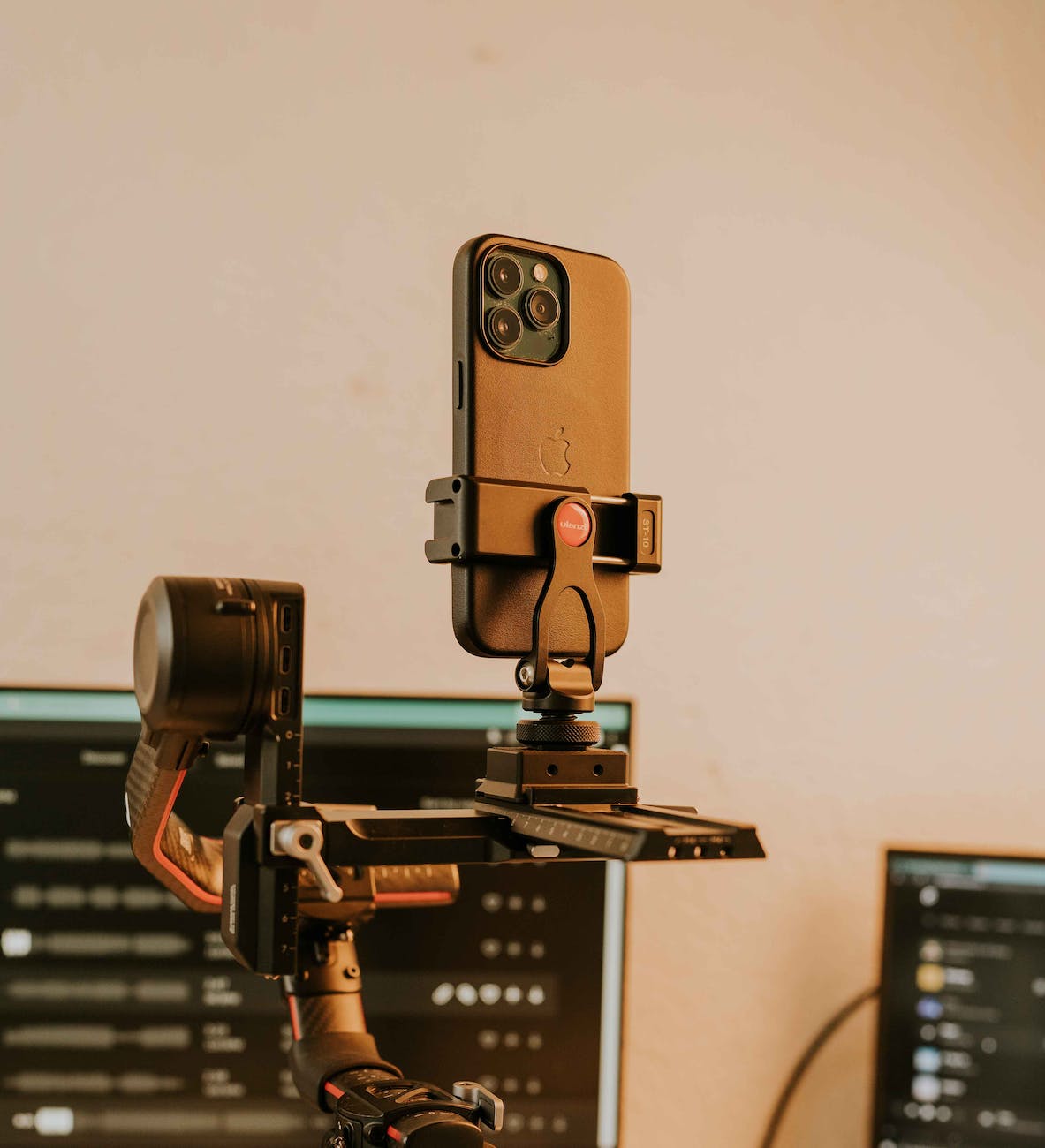
  3. Frame Your Shot: Experiment with different camera angles and perspectives to find the most flattering and visually appealing shot. Position the camera at eye level or slightly above to capture the full range of your movements and avoid unflattering angles. Consider using a tripod or stabilizer for steady footage, ensuring smooth transitions between moves. Alternatively, ask a friend or fellow pole enthusiast to record for dynamic shots from various angles.
  4. Showcase Your Strengths: Highlight your unique style and strengths as a pole dancer by incorporating signature moves and transitions into your routine. Whether it’s dynamic spins, graceful lines, or impressive holds, showcase what sets you apart and makes your performance memorable. Don’t be afraid to experiment with creative choreography and musicality to express yourself fully.
  5. Focus on Technique: Pay attention to your technique and form throughout the recording process. Strive for clean lines, pointed toes, engaged core muscles, and controlled movements to elevate the quality of your performance. Take breaks between takes to review footage and make necessary adjustments to improve execution and precision.
  6. Dress the Part: Choose attire that not only complements your body and style but also allows for freedom of movement and grip on the pole. Opt for form-fitting clothing that accentuates your lines and lines of movement, avoiding loose or bulky garments that may obscure your technique. Consider wearing grip aids or using grip-enhancing products to maintain a secure grip on the pole.
  7. Have Fun and Be Yourself: Above all, remember to enjoy the process and let your personality shine through in your pole videos. Dance with passion, confidence, and authenticity, and don’t be afraid to show your personality and emotions on camera. Embrace imperfections as part of the journey and celebrate the progress you’ve made in your pole practice.

Recording pole dance videos is not only a great way to document your journey but also an opportunity to showcase your talent, creativity, and dedication to the art of pole dance. By following these essential tips from Pilates Playhouse, you can create captivating pole videos that capture the essence of your unique style and inspire others in the pole community. So, grab your camera, hit record, and let your pole journey unfold on screen for the world to see!

Navigating Shoulder Pain in Pole Fitness: Your Journey to Strength and Comfort

Pole fitness is a thrilling and empowering form of exercise that combines dance, acrobatics, and strength training. While it can offer a range of physical benefits, it’s important to address the challenges that may arise, such as shoulder pain. At Poleates Playhouse, we’re dedicated to helping you enjoy your pole fitness journey while prioritizing your well-being. In this blog post, we’ll explore the topic of shoulder pain in pole fitness and provide guidance on how to navigate and alleviate this discomfort.

Understanding Shoulder Pain in Pole Fitness

Shoulder pain can be a common concern in pole fitness due to the dynamic movements that place demands on the shoulders and upper body. The pain may arise from overuse, improper technique, or underlying issues such as muscle imbalances or joint instability.

Tips to Address and Prevent Shoulder Pain in Pole Fitness:

  1. Proper Warm-Up:Begin your pole fitness sessions with a thorough warm-up that includes shoulder-specific stretches and mobility exercises. Warming up prepares your shoulders for the demands of pole moves.
  2. Strength and Conditioning:Strengthening the muscles around the shoulder joint is essential for preventing pain. Incorporate exercises that target the deltoids, rotator cuff, and upper back muscles to improve stability and support.
  3. Technique and Alignment:Pay close attention to your technique and form during pole moves. Proper alignment and body positioning can reduce stress on the shoulders. Avoid excessive shrugging or hunching of the shoulders.
  4. Gradual Progression:Progress gradually to more advanced pole moves. Avoid rushing into challenging moves before your shoulder muscles are adequately prepared.
  5. Rest and Recovery:Listen to your body and allow for sufficient rest and recovery between pole fitness sessions. Overtraining can lead to overuse injuries, including shoulder pain.
  6. Stretch and Mobilize:Incorporate shoulder stretches and mobility exercises into your routine to maintain flexibility and reduce tension.
  7. Cross-Training:Consider cross-training with exercises that promote overall shoulder health, such as yoga or resistance training.

Poleates Playhouse: Your Partner in Wellness

At Poleates Playhouse, we’re committed to your well-being and the enjoyment of pole fitness. Our certified instructors are skilled at providing guidance and modifications to help you navigate shoulder pain and other challenges. We create a supportive environment where you can explore pole fitness while prioritizing your health and comfort.

In conclusion, shoulder pain in pole fitness can be managed and prevented through proper preparation, technique, and self-care. By following these tips and being mindful of your shoulder health, you can continue to enjoy the exhilarating world of pole fitness. Reach out to us at Poleates Playhouse for support and guidance on your journey to strength, grace, and comfort.

Join us to experience the transformative power of pole fitness while keeping shoulder pain at bay and embracing your journey to a stronger, more confident you.

Unveiling the Pilates Magic Ring: A Versatile Tool for Enhanced Workouts

In the world of Pilates, innovation often leads to breakthroughs that revolutionize the way we approach fitness. The Pilates magic ring, also known as the Pilates circle or fitness ring, is one such ingenious creation that has captured the attention of enthusiasts worldwide. This unassuming yet versatile prop adds a new dimension to Pilates exercises, amplifying the benefits of your workouts. In this blog post, we’ll delve into the magic of the Pilates ring, exploring its origin, benefits, and the myriad ways it can enhance your Pilates routine.

Origins and Purpose:

The Pilates magic ring was originally designed by Joseph Pilates himself, the founder of the Pilates method. It was conceived as a tool to create resistance, challenge the body’s stability, and enhance muscle engagement during exercises. The circular design of the ring allows for various grip positions and movement possibilities, making it a versatile addition to traditional Pilates movements.

Benefits of the Pilates Magic Ring:

  1. Enhanced Muscle Activation: The magic ring adds resistance to your exercises, requiring your muscles to work harder. This results in increased muscle activation, leading to improved strength and tone.
  2. Core Strengthening: Many magic ring exercises focus on the core muscles. By incorporating the ring, you engage your core more deeply, leading to improved stability and balance.
  3. Flexibility and Mobility: The ring encourages dynamic movements that enhance flexibility and joint mobility. It’s particularly effective in opening up the hips, shoulders, and spine.
  4. Mind-Body Connection: The Pilates magic ring requires concentration and mindful movement. As you work with the ring, you’ll develop a heightened awareness of your body’s alignment and movement patterns.
  5. Variety in Workouts: The magic ring introduces a new dimension to your Pilates routine. It allows you to explore a wide range of exercises that challenge different muscle groups in unique ways.

Versatility in Exercises:

  1. Leg and Glute Exercises: Incorporate the ring into leg lifts, bridges, and inner thigh squeezes to target and tone the lower body.
  2. Arm and Upper Body Work: Utilize the ring for arm presses, chest openers, and shoulder exercises to engage the upper body muscles effectively.
  3. Core-Centric Movements: Explore variations of the Hundred and Teaser exercises using the magic ring to intensify core engagement.
  4. Spine Mobility: Use the ring for spinal twists and stretches that enhance flexibility and release tension.
  5. Dynamic Stretching: Combine the magic ring with stretches to create dynamic movements that improve flexibility and circulation.

Incorporating the Pilates Magic Ring:

When incorporating the Pilates magic ring into your workouts, remember to:

  • Maintain Proper Alignment: Focus on your body’s alignment and posture during exercises to maximize the benefits and prevent strain.
  • Control Your Movements: Move mindfully and with control, ensuring that you’re engaging the targeted muscles throughout the entire range of motion.
  • Start Slowly: If you’re new to using the magic ring, start with basic exercises and gradually progress to more complex movements.

The Pilates magic ring has earned its place as a valuable tool in the world of fitness, offering a dynamic and effective way to elevate your Pilates practice. By adding resistance, engaging your muscles, and enhancing your mind-body connection, this versatile prop unlocks new dimensions of strength, flexibility, and stability. As you explore the endless possibilities of the Pilates magic ring, you’ll discover a world of innovation that complements and enhances your journey to holistic well-being.

Discover the Transformative Benefits of Pilates: A Path to Total Well-Being

In the world of fitness, there are certain disciplines that stand out not only for their physical benefits but also for their profound impact on overall well-being. Pilates is undoubtedly one of these exceptional practices. Originating from the mind of Joseph Pilates in the early 20th century, this unique exercise system has garnered a dedicated following for its ability to enhance physical strength, flexibility, and mental clarity. In this blog post, we delve into the myriad benefits of Pilates and why it’s a holistic approach to achieving a healthier, more balanced life.

1. Core Strength and Stability

At the heart of Pilates lies a focus on core strength, which serves as the foundation for all movements. The controlled and precise nature of Pilates exercises engages the deep stabilizing muscles of the core, including the abdominals, back, and pelvic floor. As you build a strong core, you’ll experience improved posture, reduced risk of lower back pain, and enhanced overall body stability.

2. Improved Flexibility

Pilates emphasizes elongating and stretching the muscles in a controlled manner. The slow, deliberate movements help to improve flexibility without the risk of overstretching or causing injury. Over time, you’ll notice increased range of motion in your joints and a greater sense of ease in everyday movements.

3. Enhanced Body Awareness

Pilates is renowned for its mind-body connection. During each exercise, you’ll focus on proper alignment, muscle engagement, and controlled breathing. This heightened body awareness not only improves your posture but also helps prevent imbalances and injuries by teaching you how to move more efficiently and consciously.

4. Increased Muscle Tone and Endurance

Pilates exercises involve both concentric and eccentric muscle contractions, which contribute to building lean muscle mass and improving muscular endurance. By targeting various muscle groups in a balanced manner, Pilates helps you achieve a toned and sculpted physique without the bulk associated with some other forms of strength training.

5. Stress Reduction and Mental Clarity

The deliberate and rhythmic breathing techniques employed in Pilates create a calming effect on the nervous system. As you focus on your breath and movement, you enter a state of mindfulness that promotes stress reduction and mental clarity. Many practitioners find that Pilates sessions offer a refreshing break from the demands of daily life, allowing them to unwind and recenter.

6. Post-Rehabilitation and Injury Prevention

Pilates is often recommended by physical therapists as a part of rehabilitation programs due to its low-impact nature and ability to target specific muscle groups. It’s effective for recovering from injuries and preventing future ones by addressing muscular imbalances, improving joint stability, and enhancing overall body alignment.

7. Adaptability for All Fitness Levels

Pilates is suitable for individuals of all fitness levels, from beginners to advanced practitioners. The exercises can be modified to accommodate different abilities and physical conditions, making it an inclusive practice that can be tailored to meet individual needs.

8. Increased Energy and Vitality

Regular Pilates practice has the potential to boost your energy levels by increasing blood circulation and oxygenating your body’s cells. As you progress in your Pilates journey, you’ll likely experience a greater sense of vitality and well-being that extends beyond your workout sessions.

9. Holistic Approach to Fitness

Unlike many other forms of exercise that focus solely on physical aspects, Pilates takes a holistic approach, addressing both the body and the mind. This integration of physical and mental wellness creates a more balanced and sustainable fitness routine.

10. Empowerment and Self-Confidence

As you conquer new Pilates exercises and witness your progress, you’ll naturally experience a sense of accomplishment that boosts your self-confidence. This newfound self-assurance can extend to various areas of your life, empowering you to take on challenges with a positive attitude.

In conclusion, Pilates offers a comprehensive range of benefits that extend far beyond physical fitness. From building core strength and flexibility to enhancing mental clarity and self-confidence, the transformative power of Pilates is evident in the lives of countless practitioners. Whether you’re a fitness enthusiast or seeking a well-rounded approach to improving your overall well-being, Pilates is a practice that can guide you towards a healthier, more vibrant life.

Mat Pilates vs. Reformer Pilates: Which Is Better for You?

Pilates is a renowned fitness method known for its emphasis on core strength, flexibility, and overall body awareness. When it comes to Pilates, you have two primary options: mat Pilates and reformer Pilates. Each offers unique benefits and experiences, but the question remains: Is reformer Pilates better than mat Pilates, or vice versa? In this blog post, we’ll explore the characteristics, advantages, and considerations of both to help you make an informed choice based on your fitness goals and preferences.

Mat Pilates: A Foundation of Strength and Alignment

Mat Pilates is perhaps the most accessible form of Pilates. It’s typically performed on a mat or floor, using your body weight as resistance and minimal equipment. Here are some key aspects of mat Pilates:

  1. Accessible and Affordable: Mat Pilates requires minimal equipment, making it cost-effective and suitable for home practice. You can follow along with instructional videos or attend group classes at a local studio.
  2. Core Strength and Alignment: Mat Pilates focuses on building core strength, improving posture, and enhancing overall body alignment. It’s an excellent choice for those looking to develop a strong core and a stable foundation.
  3. Versatility: While mat Pilates primarily uses body weight, it can incorporate props like resistance bands, stability balls, and Pilates rings for added challenge and variety.
  4. Portable: Mat Pilates can be practiced virtually anywhere, making it a convenient option for travelers or individuals with limited space.

Reformer Pilates: Precision and Resistance

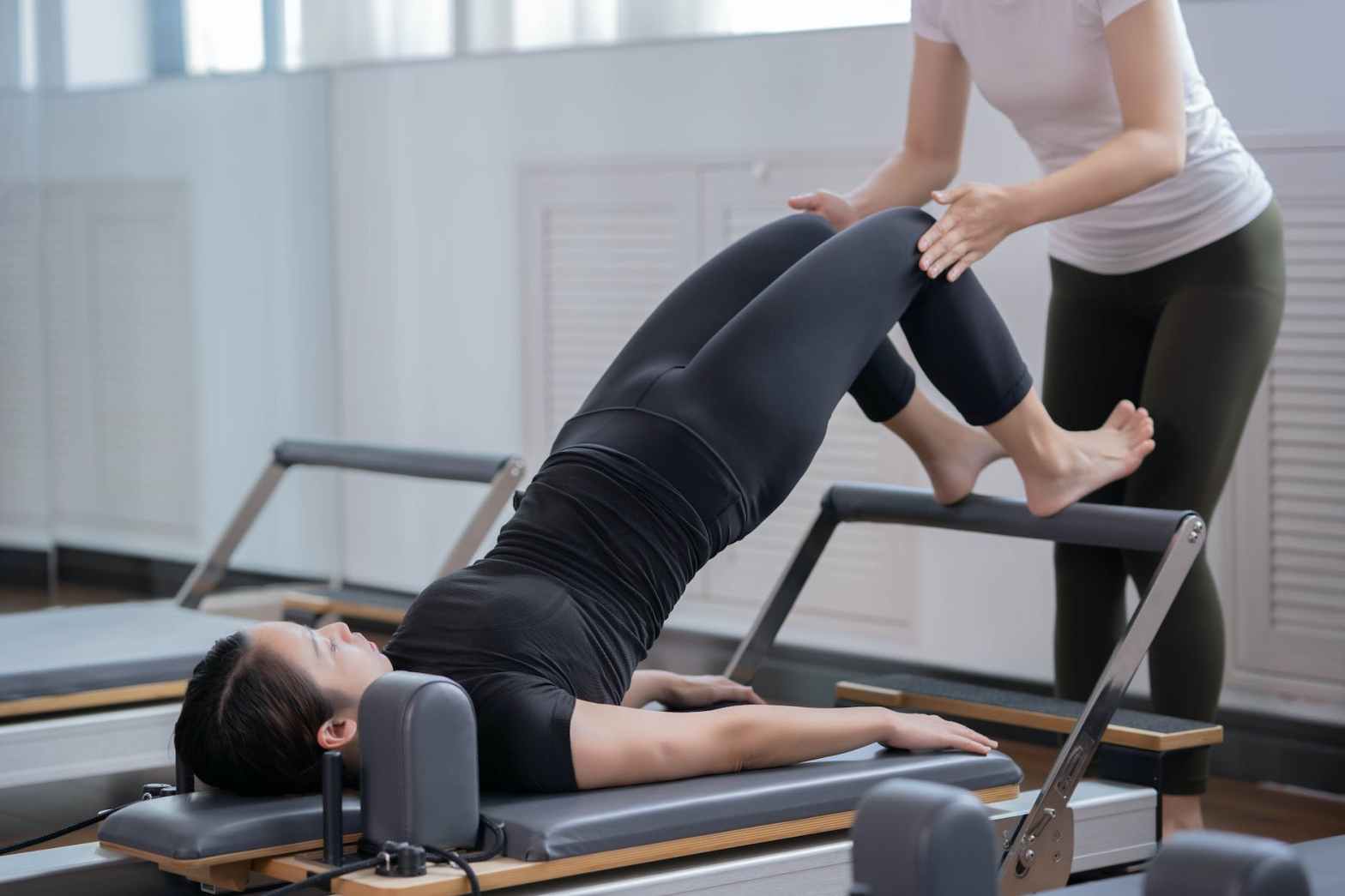
Reformer Pilates, on the other hand, utilizes a specialized piece of equipment called a Pilates reformer. This equipment consists of a sliding carriage, springs, and various attachments, providing a different Pilates experience:

  1. Resistance and Precision: The reformer allows for adjustable resistance, making it possible to target specific muscle groups more effectively. This precision can lead to quicker strength gains and improved muscle definition.
  2. Versatility and Variety: Reformer Pilates offers a wide range of exercises that can be tailored to your fitness level and goals. It’s ideal for those seeking a comprehensive, full-body workout.
  3. Support and Assistance: The reformer’s design can assist individuals with limited mobility or those recovering from injuries. It provides both support and challenge, making it suitable for various fitness levels.
  4. Professional Guidance: Reformer Pilates is often taught by certified instructors in specialized studios. Their guidance ensures proper form and alignment, reducing the risk of injury.

Choosing the Right Option for You

So, is reformer Pilates better than mat Pilates, or vice versa? The answer depends on your goals, preferences, and individual circumstances:

  • Mat Pilates is an excellent choice if you’re looking to build core strength, improve posture, and enhance body alignment. It’s accessible, versatile, and budget-friendly, making it a great option for beginners and those seeking a solid foundation.
  • Reformer Pilates is ideal if you want to experience precise resistance-based exercises, achieve quicker strength gains, and enjoy a variety of movements. It’s well-suited for individuals who prefer professional guidance and those with specific fitness goals.

Remember that both mat and reformer Pilates offer numerous benefits, and you can also integrate both into your fitness routine for a balanced and holistic approach. Whether you prefer the simplicity of mat Pilates or the versatility of reformer Pilates, the most important factor is consistency. Choose the option that aligns with your lifestyle and goals, and you’ll experience the transformative power of Pilates in your own way.

Healing Movement: Harnessing the Power of Pilates in Physical Therapy

Pilates, an exercise system developed by Joseph Pilates, has gained widespread recognition for its ability to enhance core strength, flexibility, and overall body awareness. Beyond its benefits in fitness and wellness, Pilates has found a valuable place in the realm of physical therapy, serving as a gentle yet effective tool for rehabilitation and recovery. In this blog post, we’ll explore how Pilates can be harnessed as a powerful adjunct to traditional physical therapy, promoting healing and restoring movement with grace and precision.

The Synergy of Pilates and Physical Therapy:

  1. Holistic Approach: Pilates emphasizes mindful movement, alignment, and breathing, aligning perfectly with the principles of physical therapy that focus on a comprehensive approach to rehabilitation.
  2. Body Awareness: Pilates encourages deep awareness of body mechanics and postural alignment, allowing patients to understand and correct movement imbalances that may contribute to pain or injury.
  3. Core Strengthening: The core is the foundation of movement and stability. Pilates targets the core muscles, fostering a strong foundation that aids in injury prevention and recovery.
  4. Low-Impact Conditioning: Many Pilates exercises are low-impact and gentle on joints, making them suitable for patients with varying degrees of mobility and pain sensitivity.
  5. Precision and Control: Pilates prioritizes controlled, precise movements. This attention to detail helps patients regain control over their bodies and prevents compensatory movements.

Conditions Benefiting from Pilates in Physical Therapy:

  1. Musculoskeletal Injuries: Pilates can aid in recovering from injuries such as sprains, strains, fractures, and muscle imbalances by promoting balanced strength and flexibility.
  2. Back Pain: The emphasis on core strength and spine alignment in Pilates can alleviate back pain and improve spinal stability.
  3. Post-Surgery Rehabilitation: Pilates can assist in recovering from surgeries like joint replacements, enhancing range of motion, strength, and overall mobility.
  4. Neurological Conditions: For patients with neurological conditions like stroke or Parkinson’s disease, Pilates can enhance motor skills, balance, and coordination.

Incorporating Pilates into Physical Therapy:

  1. Consultation: Before beginning a Pilates-based physical therapy program, consult with a licensed physical therapist to ensure that Pilates exercises are appropriate for your condition.
  2. Customized Programs: Physical therapists can design Pilates routines tailored to your needs, taking into account your medical history, current condition, and rehabilitation goals.
  3. Progressive Approach: Start with foundational Pilates exercises and progress gradually as you regain strength and mobility under the guidance of your physical therapist.
  4. Breath Awareness: Focus on breath control during exercises to enhance relaxation, oxygenate tissues, and improve overall movement efficiency.
  5. Mindful Movement: Engage in exercises mindfully, paying attention to proper alignment, muscle engagement, and movement quality.

Benefits Beyond Healing:

  1. Empowerment: Pilates empowers patients to take an active role in their recovery journey, fostering a sense of control and autonomy.
  2. Prevention: Incorporating Pilates principles into your daily routine can help prevent future injuries by promoting balanced strength and flexibility.
  3. Long-Term Wellness: Pilates offers a sustainable approach to movement and wellness, allowing patients to continue their practice even after completing their physical therapy program.

Pilates, with its focus on precise movement, core strength, and body awareness, provides a holistic approach to physical therapy. When integrated with traditional physical therapy, Pilates becomes a valuable tool for patients seeking to recover from injuries, manage pain, and improve their overall quality of life. Remember that before incorporating Pilates into your physical therapy journey, it’s crucial to consult a qualified physical therapist to ensure that the exercises are aligned with your unique needs and conditions.

Studio Etiquette for Pilates Practitioners: Creating a Harmonious Practice Environment

Pilates studios are sanctuaries of mindful movement, fostering personal growth, and well-being. To ensure that every practitioner has a positive and enriching experience, it’s essential to embrace studio etiquette. These guidelines promote a harmonious environment, respect for fellow practitioners, and a shared commitment to the principles of Pilates. In this blog post, we’ll explore the key elements of studio etiquette that contribute to a thriving Pilates community.

1. Arrive On Time:

Punctuality demonstrates respect for both your fellow practitioners and the instructor. Arriving a few minutes before the class allows you to settle in, prepare mentally, and avoid disrupting the session once it has begun.

2. Silence Your Devices:

Make sure your phone is on silent mode or turned off before entering the studio. A distraction-free environment enhances your focus and that of others during the practice.

3. Dress Appropriately:

Wear comfortable, form-fitting clothing that allows you to move freely. Avoid excessively loose or baggy attire that could hinder your movement or distract others.

4. Hygiene Matters:

Maintain personal hygiene by wearing clean workout attire and bringing a towel to wipe down equipment after use. This consideration ensures a pleasant experience for everyone sharing the studio space.

5. Respect Personal Space:

Pilates often involves a degree of spatial awareness. Maintain an appropriate distance from fellow practitioners to ensure a comfortable and respectful practice environment.

6. Mind the Noise:

While some classes may have background music, it’s important to be mindful of the volume. If practicing individually, keep conversations and interactions quiet to respect the concentration of others.

7. Follow the Instructor’s Lead:

During class, attentively listen to the instructor’s cues and directions. This not only ensures your safety but also maintains the flow of the session for all participants.

8. Communicate with the Instructor:

If you have any injuries, limitations, or concerns, inform the instructor before the class begins. They can provide modifications and guidance to accommodate your needs.

9. Clean Up After Yourself:

Whether using mats, props, or equipment, make sure to return them to their designated places after use. Leaving the studio tidy contributes to a welcoming environment for the next class.

10. Maintain a Positive Attitude:

Foster a supportive and encouraging atmosphere by offering smiles and words of encouragement to your fellow practitioners. A positive attitude uplifts everyone’s experience.

11. Embrace Respectful Dialogue:

Engage in conversations that uplift and inspire. Avoid negative or judgmental discussions that can impact the overall mood of the studio.

12. Stay for the Entire Class:

To maintain the unity of the class and respect your peers’ commitment, stay for the entire session. If you must leave early, inform the instructor beforehand.

13. Be Mindful of Fragrances:

Some individuals may be sensitive to strong scents. Consider refraining from wearing strong perfumes or scents to the studio.

14. Celebrate Progress:

Celebrate your achievements and those of others with humility and enthusiasm. A shared sense of accomplishment enriches the studio environment.

15. Gratitude and Farewell:

At the end of the class, thank the instructor and your fellow practitioners for the shared practice. Expressing gratitude cultivates a sense of community and camaraderie.

Embracing studio etiquette is an integral part of fostering a harmonious and respectful Pilates community. By adhering to these guidelines, you contribute to an environment where every practitioner can thrive, learn, and connect. Whether you’re a seasoned practitioner or new to Pilates, practicing studio etiquette enhances your experience and contributes to the collective spirit of mindfulness, growth, and well-being.

So step into the studio with intention, kindness, and respect, knowing that your commitment to etiquette elevates your practice and enriches the Pilates community as a whole.

Unleash Your Potential with Functional Training – What Is It and Why Does It Matter?

Welcome to Poleates Playhouse, your ultimate destination for fitness and wellness insights. In today’s blog post, we’re delving into the dynamic world of functional training, a holistic approach to fitness that goes beyond aesthetics and focuses on improving your everyday movements and overall well-being.

Defining Functional Training

Functional training is a fitness approach designed to enhance your ability to perform daily activities more efficiently and safely. Unlike traditional weightlifting or bodybuilding, which often emphasize isolated muscle groups and aesthetics, functional training prioritizes practical, real-life movements.

The Core Principles of Functional Training

  1. Whole-Body Focus: Functional training involves working with the entire body, ensuring that all muscle groups are engaged to support various movements and activities.
  2. Real-Life Movements: Exercises in functional training mimic the natural, real-life movements you encounter in your daily routine, such as squatting, bending, twisting, lifting, and pushing.
  3. Functional Strength: Instead of aiming for impressive one-rep max lifts, functional training strives to build functional strength that helps you perform daily tasks with ease.
  4. Balance and Coordination: This approach improves balance, coordination, and overall body awareness, reducing the risk of falls and injuries.

The Benefits of Functional Training

  1. Enhanced Daily Functionality: Functional training equips you with the strength and flexibility needed for activities like carrying groceries, playing with your kids, or performing household chores.
  2. Injury Prevention: It helps reduce the risk of injuries by improving balance and joint stability, making you more resilient in various situations.
  3. Improved Posture: Functional training emphasizes core strength and proper body mechanics, which leads to better posture and spinal health.
  4. Weight Management: It is effective for weight management, as it increases calorie expenditure during workouts and boosts metabolism.
  5. Holistic Fitness: Functional training provides a well-rounded fitness experience, engaging cardiovascular, strength, and flexibility components.

Functional Training in Practice

Functional training exercises can vary widely, but some common examples include:

  • Squats: To improve leg strength and mimic the action of standing up from a chair.
  • Lunges: Enhancing lower body strength and balance.
  • Push-Ups: Building upper body strength and mimicking pushing or lifting actions.
  • Deadlifts: Focusing on lifting and bending movements while engaging multiple muscle groups.
  • Planks: Strengthening the core, which is essential for stability and balance.

Who Can Benefit from Functional Training?

Functional training is not limited to athletes or fitness enthusiasts. It’s suitable for people of all ages and fitness levels, especially those looking to improve their overall well-being and quality of life. It’s an excellent choice for seniors who want to maintain independence and individuals seeking practical, sustainable fitness goals.

In Conclusion: Reap the Rewards of Functional Training

Functional training is more than a fitness trend; it’s a comprehensive approach to exercise that can positively impact your daily life, from the way you move to your overall well-being. By incorporating functional training into your fitness routine, you can unleash your potential, enhance your everyday functionality, and ultimately enjoy a healthier, more active lifestyle. So, get ready to embrace functional training and discover the many ways it can transform your fitness journey.

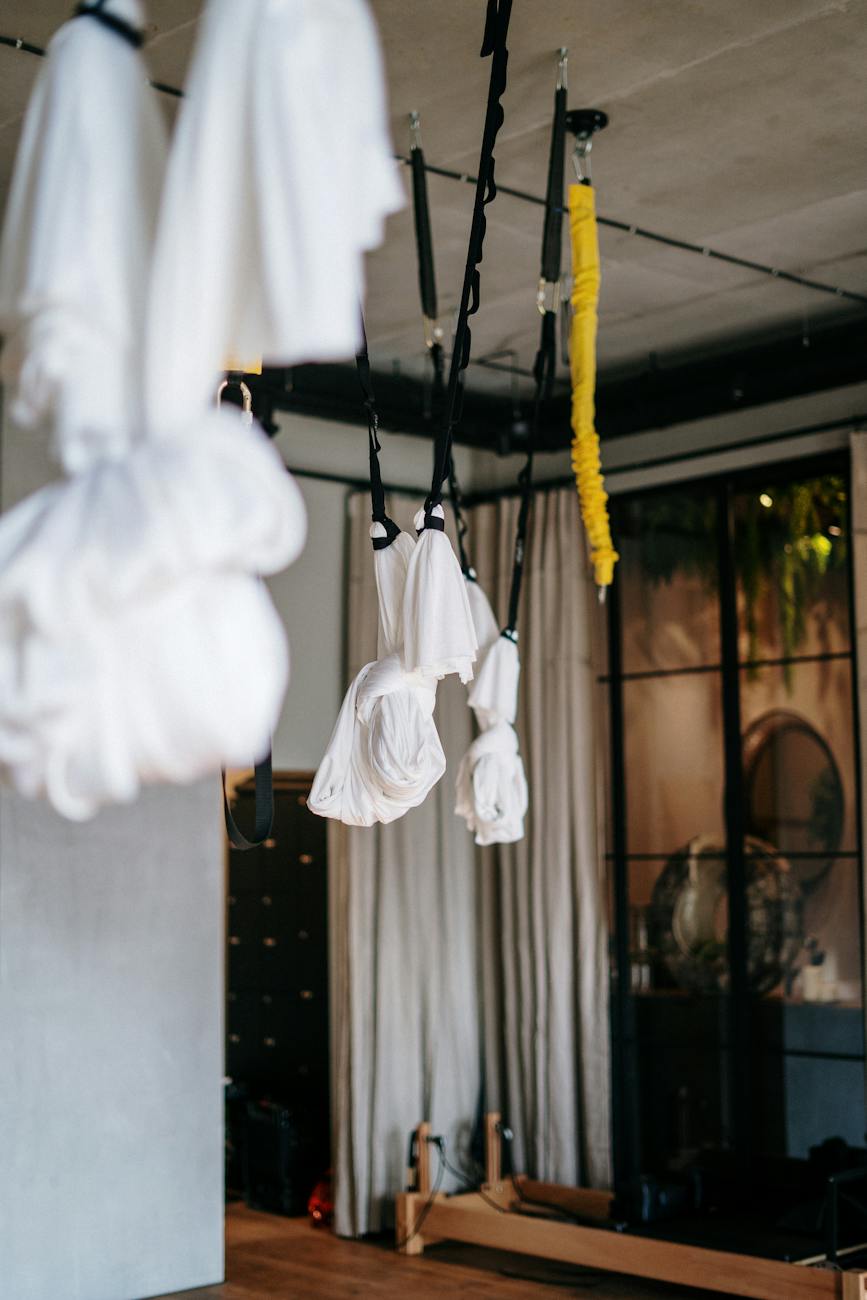
Unveiling the Graceful Art of Pole Silks

Welcome to Poleates Playhouse, your gateway to the world of fitness and wellness. In today’s blog post, we’re unraveling the captivating and graceful world of pole silks, an exquisite and dynamic form of aerial art that seamlessly blends the beauty of pole dancing and the elegance of silk fabric.

Pole Silks: A Fusion of Artistry

Pole silks, also known as pole fabric or aerial silks, have gained immense popularity in recent years. This mesmerizing art form combines the strength and fluidity of pole dancing with the aerial beauty of silk fabric, creating a unique and visually stunning experience.

Understanding Pole Silks

Pole silks involve using a vertical pole in conjunction with long, flowing silk fabric. The silk fabric is securely attached to the pole, allowing for a wide range of artistic and acrobatic movements. Dancers intertwine their bodies with the silks, creating a stunning visual display of strength and flexibility.

The Elements of Pole Silks

Pole silks performances typically incorporate the following elements:

  1. Climbing and Wrapping: Dancers climb the pole and use the fabric to wrap, suspend, and spin themselves in a myriad of positions.
  2. Inversions and Holds: Like traditional pole dancing, pole silks involve inversions and holds that require strength, balance, and control.
  3. Drops and Descents: Performers execute breathtaking drops and descents, showcasing their trust in the fabric and their training.
  4. Artistic Expression: Pole silks are not just about acrobatics; they’re a means of artistic expression. Dancers use the fabric to convey emotion and tell a story through their movements.

The Benefits of Pole Silks

  1. Full-Body Workout: Pole silks provide an incredible full-body workout, building strength, endurance, and flexibility. It engages your core, upper body, and lower body muscles.
  2. Enhanced Flexibility: Regular practice can improve flexibility and range of motion, helping participants achieve beautiful and flowing movements.
  3. Boosted Confidence: Pole silks empower individuals to explore their bodies’ capabilities, fostering self-confidence and body positivity.
  4. Artistic Expression: The combination of pole and silks allows for artistic storytelling through movement, making it a unique form of creative expression.

The Pole Silks Journey

Getting started with pole silks typically involves enrolling in a class at a specialized studio. Here’s what you can expect on your pole silks journey:

  1. Basic Fundamentals: Beginners will begin with fundamental movements, such as climbs, wraps, and introductory poses, while learning to adapt to the fabric’s feel and the pole’s support.
  2. Progressive Challenges: As you advance, you’ll take on more complex moves, inversions, drops, and sequences.
  3. Artistic Exploration: Pole silks encourage you to unleash your creativity and develop your unique style, choreographing routines and expressing yourself through your performance.
  4. Community and Support: You’ll become part of a supportive and inspiring community of pole silks enthusiasts who encourage one another in their artistic journeys.

Pole Silks: Where Strength Meets Elegance

Pole silks are an extraordinary fusion of strength and grace, making it an appealing choice for those who crave a captivating and physically challenging art form. Whether you’re drawn to its artistic expression, its fitness benefits, or both, pole silks offers a thrilling journey that celebrates the beauty of movement and the artistry of the human body. Explore the world of pole silks and discover the enchantment it can bring to your life.

The Healing Power of Pilates – Managing and Preventing Back Injuries

Welcome to our Poleates Playhouse blog, your destination for wellness and fitness insights. In this post, we’ll explore the world of Pilates and its significant role in managing and preventing back injuries.

Back Injuries: A Common Affliction

Back injuries are a widespread health issue that can affect people of all ages, from sedentary office workers to seasoned athletes. These injuries can vary from muscle strains to herniated discs, and they often result in debilitating pain, reduced mobility, and, in severe cases, long-term discomfort.

Enter Pilates: A Gentle Approach to Healing

Pilates, a low-impact exercise method developed by Joseph Pilates, has been hailed for its ability to improve strength, flexibility, and posture. It offers a gentle and effective way to rehabilitate and prevent back injuries.

The Pilates Approach to Back Health

  1. Core Strengthening: One of the key elements of Pilates is core strengthening. A strong core provides essential support to the spine, reducing the risk of injury. Pilates exercises such as the Hundred, Leg Circles, and Plank variations are designed to target and strengthen the core muscles.
  2. Improved Posture: Pilates places a strong emphasis on proper alignment and posture. By teaching you to engage the right muscles and maintain a neutral spine, Pilates helps alleviate undue stress on the back.
  3. Flexibility and Mobility: Pilates promotes flexibility and improved range of motion. By elongating and strengthening the muscles around the spine, it reduces the likelihood of strain and injury.
  4. Mind-Body Connection: Pilates fosters a strong mind-body connection. Practitioners learn to be mindful of their movements, ensuring they maintain proper alignment and avoid movements that could exacerbate existing injuries.

Managing Existing Back Injuries

If you’re already dealing with a back injury, Pilates can play a pivotal role in your recovery:

  1. Consult a Professional: Before starting any Pilates program, consult a healthcare professional or physical therapist to assess your injury and determine which exercises are safe and beneficial for your condition.
  2. Tailored Workouts: Work with a qualified Pilates instructor who can create a personalized program that focuses on strengthening the muscles around the injured area while avoiding movements that may exacerbate your condition.
  3. Progressive Rehabilitation: Pilates is ideal for gradual rehabilitation. As your condition improves, your instructor can modify your routine, helping you regain full function.

Preventing Back Injuries

If you haven’t experienced a back injury, Pilates can be an excellent proactive approach to preventing one:

  1. Regular Practice: Consistent Pilates practice can help maintain a strong and resilient back, reducing the risk of injury.
  2. Mindful Movement: Use the mind-body connection developed through Pilates to be aware of your movements in everyday life, such as lifting heavy objects or maintaining good posture during prolonged sitting.
  3. Stay Active: Combining Pilates with other forms of exercise, such as cardiovascular workouts, can help keep your body and back in top shape.

Final Thoughts

Pilates is not a one-size-fits-all solution for back injuries. For those with existing injuries or ongoing discomfort, it’s crucial to work under the guidance of a healthcare professional and a certified Pilates instructor. Together, they can help design a program that specifically addresses your needs.

For those looking to prevent future back injuries or maintain a healthy, strong spine, Pilates is an invaluable ally. Its gentle yet effective approach can empower you with the tools needed for a lifetime of back health. Embrace the healing power of Pilates and let it guide you toward a pain-free and active life.