The Benefits of Vinyasa and Flow Yoga: Find Your Flow and Enhance Your Practice

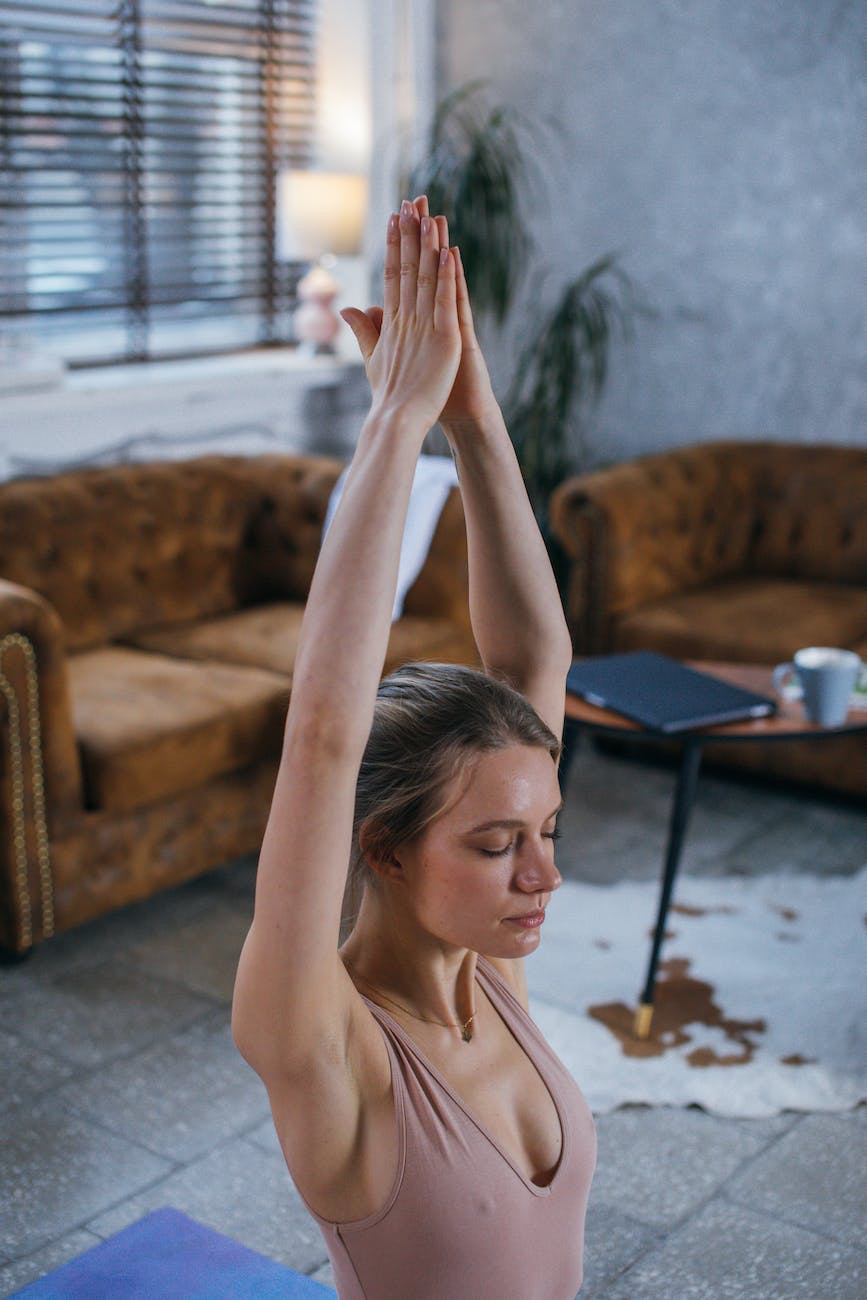
Vinyasa and flow yoga are dynamic and invigorating styles of yoga that combine movement, breath, and mindfulness. With a focus on flowing sequences and smooth transitions between poses, these styles offer numerous benefits for both the body and the mind. Explore the advantages of practicing vinyasa and flow yoga and how they can enhance your overall yoga experience.

1. Physical Strength and Flexibility:

Vinyasa and flow yoga are physically challenging practices that build strength and flexibility throughout the body. The continuous movement and transitions between poses engage multiple muscle groups, toning and sculpting the body. As you flow through sequences, you’ll notice increased strength in your arms, legs, and core, as well as improved balance and coordination. The dynamic nature of vinyasa and flow yoga also promotes greater joint mobility and flexibility, helping you to deepen your stretches and achieve more advanced poses over time.

2. Cardiovascular Health and Endurance:

The continuous and rhythmic nature of vinyasa and flow yoga raises your heart rate, making it an effective form of cardiovascular exercise. By linking breath with movement, you create a steady flow that elevates your heart rate and increases blood circulation. This cardiovascular component not only improves overall cardiovascular health but also enhances endurance and stamina. Regular practice of vinyasa and flow yoga can boost your energy levels and leave you feeling invigorated.

3. Mind-Body Connection:

Vinyasa and flow yoga place a strong emphasis on the connection between breath and movement, cultivating a deep mind-body connection. With each inhale and exhale, you synchronize your breath with the movement of your body, creating a moving meditation. This mindful approach helps to quiet the mind, reduce stress, and enhance mental clarity. The fluidity and grace of vinyasa and flow yoga allow you to enter a state of flow, where you are fully present in the moment and connected to the sensations of your body.

4. Stress Relief and Emotional Well-being:

The combination of movement, breath, and mindfulness in vinyasa and flow yoga promotes a sense of relaxation and stress relief. The physical practice helps release tension and tightness in the body, while the mindful aspect calms the mind and soothes the nervous system. Regular practice can reduce anxiety, improve sleep quality, and enhance overall emotional well-being. The rhythmic and meditative nature of vinyasa and flow yoga provides a sanctuary for self-care and self-expression.

5. Creativity and Self-Expression:

Vinyasa and flow yoga offer a creative and expressive approach to yoga practice. With the freedom to flow and transition between poses, you have the opportunity to explore your own unique movement and expression. Each practice becomes a personal journey of self-discovery and self-expression, allowing you to cultivate your own flow and find joy in the creative process. Vinyasa and flow yoga empower you to tap into your inner creativity and develop your own unique style of practice.

Incorporating Vinyasa and Flow Yoga into Your Practice:

To experience the benefits of vinyasa and flow yoga, consider incorporating them into your regular yoga practice. Look for vinyasa or flow yoga classes at your local yoga studio or explore online platforms that offer guided vinyasa and flow yoga sessions. Start with a beginner-friendly class to familiarize yourself with the flowing sequences and transitions, and gradually progress to more intermediate and advanced classes as your strength and flexibility improve. Remember to listen to your body, honor your limitations, and modify poses as needed.

By embracing vinyasa and flow yoga, you’ll discover a transformative and enriching practice that enhances both your physical and mental well-being. Embrace the fluidity, find your flow, and allow the benefits of vinyasa and flow yoga to enrich your overall yoga journey.

Unleashing the Power of Creatine: 3 Amazing Benefits for Women’s Health

Ready to take your fitness journey to the next level? If you’re looking for a natural supplement that can boost your athletic performance and enhance your overall health, it’s time to get acquainted with creatine. Let’s explore three amazing benefits of incorporating creatine into your fitness routine. Say goodbye to misconceptions and let’s uncover the truth about this incredible supplement!

Enhanced Strength and Performance:

  • Contrary to popular belief, creatine isn’t just for the guys. Women can also benefit greatly from this supplement when it comes to strength and athletic performance. Creatine works by replenishing the energy stores in your muscles, allowing you to push harder and perform better during high-intensity exercises. Whether you’re crushing it at the gym, dominating your favorite sport, or simply striving to improve your fitness level, creatine can give you that extra edge to reach your goals. So, unleash your inner powerhouse and let creatine help you unleash your true potential!
  • Increased Muscle Mass and Definition:
  • If you’re looking to sculpt a lean and toned physique, creatine can be your secret weapon. By promoting the synthesis of muscle protein, creatine helps to increase muscle mass and improve muscle definition. This means that as you continue to train and challenge your body, creatine can assist in building and maintaining the lean muscle you’ve been working so hard for. Ladies, embrace the strength-building benefits of creatine and watch your muscles flourish like never before!
  • Improved Brain Function and Cognitive Health:
  • Creatine isn’t just beneficial for your muscles—it also has positive effects on your brain. Research suggests that creatine supplementation can enhance cognitive function, improve memory, and boost brain health. As a busy woman juggling multiple responsibilities, you’ll appreciate the mental clarity and focus that creatine can provide. So, whether you’re acing a work presentation or tackling a challenging mental task, let creatine be your ally in sharpening your mind and unleashing your intellectual potential.

It’s about time we debunk the myths surrounding creatine and embrace its incredible benefits for women’s health. From increased strength and athletic performance to enhanced muscle mass and improved cognitive function, creatine has a lot to offer. Remember, proper dosage and consultation with a healthcare professional are essential before incorporating any supplement into your routine. So, grab that shaker bottle, mix up some creatine goodness, and let it fuel your fitness journey like never before. Get ready to unleash your strength, redefine your limits, and achieve the remarkable!

The Benefits of Yoga as Cross Training for Pole Dance: Enhance Your Performance and Well-being

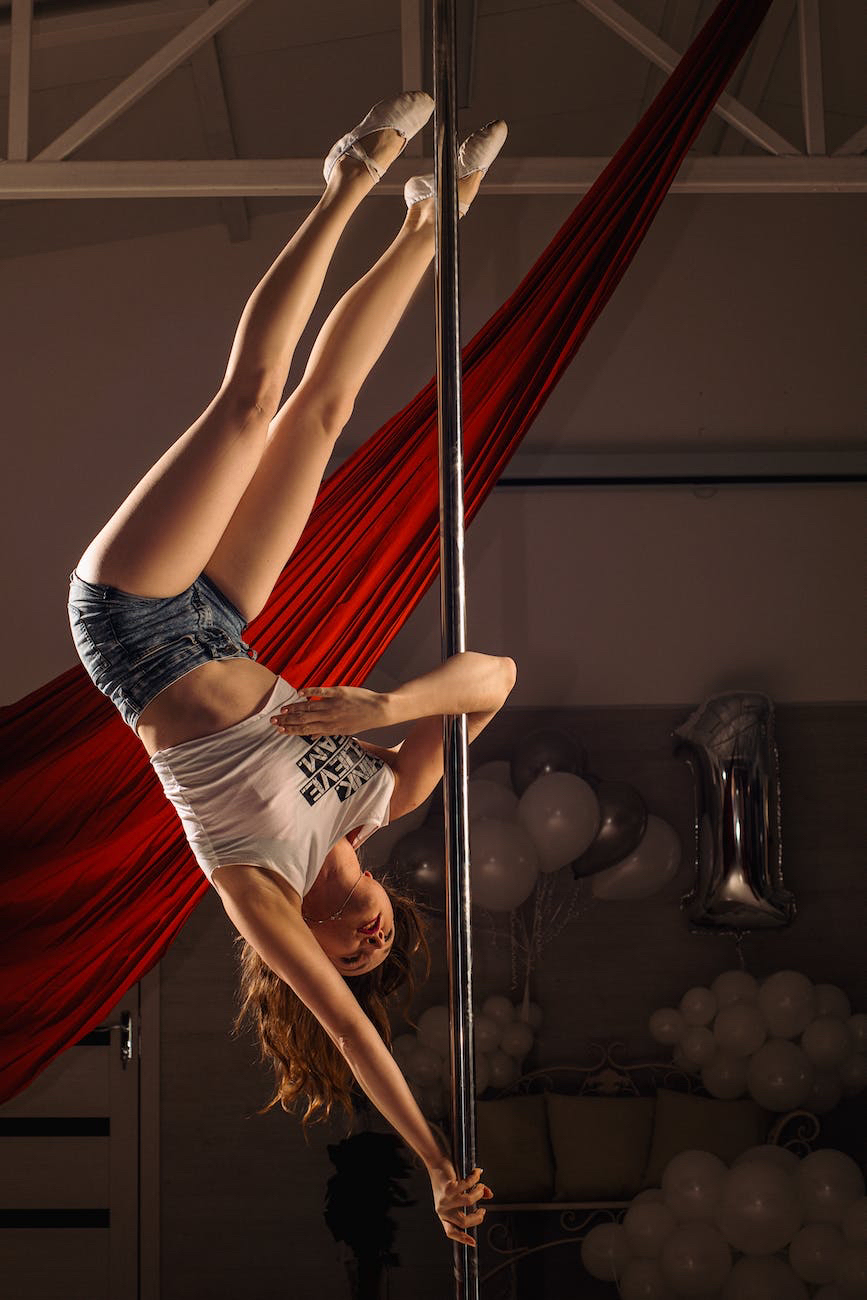
Pole dance is a captivating and physically demanding form of fitness that requires strength, flexibility, and grace. To excel in pole dance and support your overall well-being, incorporating cross-training exercises that complement and enhance your pole training is essential. One highly effective cross-training option to consider is yoga. Known for its focus on flexibility, balance, and mind-body connection, yoga offers numerous benefits that can take your pole dance practice to new heights. In this blog post, we’ll explore the advantages of incorporating yoga as cross training for pole dance.

1. Increased Flexibility:

Flexibility is a key component of both yoga and pole dance. Yoga postures and flows target the muscles, joints, and connective tissues, gradually improving flexibility and range of motion. As you increase your flexibility through regular yoga practice, you’ll find it easier to perform pole dance moves that require deep stretches and intricate positions. Improved flexibility also helps prevent injuries and supports overall body mobility.

2. Improved Strength and Stability:

While pole dance primarily focuses on upper body and core strength, yoga offers a well-rounded approach to strength and stability. Many yoga poses engage and strengthen the muscles of the arms, shoulders, core, and legs, providing complementary strength training to your pole dance routine. The balance and stability required in yoga poses enhance your body control and proprioception, contributing to better execution of pole dance moves, spins, and transitions.

3. Enhanced Body Awareness and Alignment:

Yoga emphasizes body awareness, alignment, and breath control. Through mindful movements and conscious breathing, you develop a deeper connection with your body, enhancing your overall body awareness. This heightened awareness carries over to your pole dance practice, enabling you to execute movements with precision, control, and better body alignment. Proper alignment in pole dance not only improves the aesthetic quality of your performance but also reduces the risk of injuries.

4. Core Strength and Stability:

A strong and stable core is crucial for executing pole dance moves with control and fluidity. Yoga postures often require core engagement to maintain balance and stability. Regular yoga practice strengthens the deep core muscles, including the abdominals, obliques, and back muscles, providing a solid foundation for your pole dance practice. A strong core enhances your ability to hold challenging pole tricks, maintain proper form during spins, and transition between moves seamlessly.

5. Mind-Body Connection and Mental Well-being:

Yoga is known for its holistic approach to well-being, addressing not only the physical but also the mental and emotional aspects of health. The mindful and meditative aspects of yoga help calm the mind, reduce stress, and promote mental clarity. As a pole dancer, cultivating a strong mind-body connection is essential for delivering confident and expressive performances. Yoga provides a space for self-reflection, self-care, and self-acceptance, supporting your mental well-being both on and off the pole.

Incorporating Yoga into Your Pole Dance Training:

To benefit from yoga as cross training for pole dance, consider incorporating yoga sessions or classes into your regular training routine. Look for yoga styles that emphasize flexibility, strength, and balance, such as Hatha, Vinyasa, or Power Yoga. Attend yoga classes or follow online yoga videos that cater to the needs of pole dancers, focusing on areas like flexibility, core strength, and balance. Aim for a consistent yoga practice that complements your pole dance training, promoting overall physical and mental well-being.

By incorporating yoga as cross training for pole dance, you’ll enhance your flexibility, strength, body awareness, and mental well-being. The harmonious blend of yoga and pole dance creates a synergy that elevates your performance and supports your overall fitness journey. Embrace the transformative power of yoga, and watch your pole dance skills soar to new heights.

Finding Your Flow as a Pole Dancer: Embrace the Rhythm of Movement

Pole dance is not only a beautiful display of strength and flexibility but also an art form that allows for personal expression and creativity. Finding your flow as a pole dancer goes beyond executing individual moves—it’s about embracing the rhythm of movement, connecting with the music, and expressing yourself with grace and fluidity. In this blog post, we’ll explore tips and techniques to help you find your flow and develop your unique style as a pole dancer.

1. Listen to Your Body:

Finding your flow begins with listening to your body and understanding its natural rhythms. Pay attention to how your body moves, the sensations you feel during different movements, and the emotions that arise. Tune in to your breath and use it as a guide to connect your movements with the rhythm of the music. By becoming aware of your body’s cues, you can intuitively flow from one movement to another, creating a seamless and expressive dance.

2. Explore Different Styles:

Pole dance encompasses a wide range of styles, from sensual and graceful to powerful and dynamic. Explore different styles and experiment with various techniques to discover what resonates with you. Take inspiration from dancers you admire, attend workshops or classes focused on different styles, and incorporate elements that speak to your personal style. Allow yourself the freedom to explore and find what feels most authentic to you.

3. Focus on Transitions:

Transitions are the glue that holds your pole dance routine together and allows for smooth and fluid movement. Pay attention to the transitions between moves and make them an integral part of your flow. Experiment with different ways of transitioning, such as spins, floor work, and intricate hand placements. Smooth and controlled transitions not only enhance the visual appeal of your dance but also give you a sense of flow and continuity.

4. Practice Freestyle:

Freestyle dancing is a powerful tool for finding your flow and unleashing your creativity. Set aside time during your practice sessions to freestyle to different types of music. Let go of any preconceived notions and allow your body to move spontaneously. Freestyle dancing helps you connect with your emotions, express yourself authentically, and discover new movement combinations that feel natural to you.

5. Connect with the Music:

Music is an essential element of pole dance. It sets the mood, evokes emotions, and guides your movement. Take the time to truly listen to the music and connect with its rhythm, melody, and lyrics. Allow the music to inspire your movement and guide your flow. Experiment with dancing to different genres and tempos to expand your range and develop versatility in your dance style.

6. Embrace Individuality:

Remember that your flow as a pole dancer is unique to you. Embrace your individuality and let it shine through your movements. Don’t compare yourself to others or strive to mimic someone else’s style. Instead, celebrate your own strengths, quirks, and expressions. Your journey as a pole dancer is about discovering and expressing your authentic self.

7. Practice, Patience, and Perseverance:

Finding your flow as a pole dancer takes time, practice, and patience. Be consistent in your training, dedicating regular time to pole practice. Embrace the learning process and be patient with yourself as you explore new movements and transitions. Remember that progress is not linear, and each practice session is an opportunity to grow and refine your flow.

Conclusion:

Finding your flow as a pole dancer is an ongoing journey of self-discovery and self-expression. It’s about connecting with your body, the music, and your own unique style. Embrace the rhythm of movement, explore different styles, and allow your creativity to shine through. With practice, patience, and perseverance, you’ll develop a captivating and authentic flow that reflects your passion for pole dance.


Reformer Pilates: Discover the Benefits of this Dynamic Workout

Pilates is renowned for its focus on core strength, flexibility, and body awareness. While mat Pilates is a popular and accessible form of the practice, there’s another dynamic and versatile option to explore: reformer Pilates. Utilizing a specialized apparatus called a Pilates reformer, this form of exercise takes Pilates to a whole new level, offering a wide range of benefits for practitioners of all levels. In this article, we’ll delve into the world of reformer Pilates and explore the advantages it offers.

What is Reformer Pilates?

Reformer Pilates is a full-body workout performed on a Pilates reformer, a machine equipped with a gliding carriage, adjustable springs, ropes, and various attachments. The reformer’s design allows for a wide range of exercises that promote strength, stability, flexibility, and balance. Through controlled movements and resistance provided by the springs, reformer Pilates challenges both the muscles and the mind, creating a holistic and transformative workout experience.

The Benefits of Reformer Pilates:

  1. Increased Strength and Muscle Tone: Reformer Pilates is designed to target specific muscle groups, working them deeply and efficiently. The resistance provided by the springs helps build strength, resulting in improved muscle tone and definition throughout the body. The dynamic nature of the exercises engages multiple muscle groups simultaneously, promoting balanced muscular development.
  2. Improved Flexibility and Range of Motion: Reformer Pilates emphasizes lengthening and stretching the muscles, promoting flexibility and improved joint mobility. The gliding carriage and adjustable springs facilitate a wide range of motion, allowing for deeper stretches and increased flexibility over time. Regular practice can lead to improved posture, enhanced athletic performance, and reduced risk of injury.
  3. Enhanced Core Strength and Stability: Core strength is a cornerstone of Pilates, and reformer exercises are highly effective in targeting and strengthening the core muscles. The combination of controlled movements and the resistance from the springs engages the deep abdominal muscles, back muscles, and pelvic floor, resulting in improved core stability, better posture, and a strong foundation for functional movements.
  4. Increased Mind-Body Connection: Reformer Pilates requires focus, concentration, and precision. The controlled movements performed on the reformer demand mindfulness and a strong mind-body connection. As you become more attuned to your body, you’ll develop better body awareness, improved coordination, and a heightened sense of control over your movements. This mindful approach to exercise can also bring a sense of relaxation and stress relief.
  5. Versatility and Customization: The reformer’s adjustable springs and various attachments allow for endless exercise variations and modifications. This versatility makes reformer Pilates suitable for people of all fitness levels and abilities. Whether you’re a beginner or an advanced practitioner, the reformer can be adapted to meet your specific needs, goals, and physical capabilities.

Getting Started with Reformer Pilates:

If you’re new to reformer Pilates, it’s advisable to start with a qualified instructor who can guide you through proper technique and alignment. Working with a trained professional ensures that you learn the exercises correctly and safely, maximizing the benefits of your practice. Many Pilates studios offer reformer classes or private sessions where you can receive individualized attention and instruction.

Reformer Pilates is a transformative and engaging form of exercise that can take your Pilates practice to new heights. With its unique apparatus and versatile exercises, it offers a dynamic and effective full-body workout. Discover the benefits of reformer Pilates and experience the joy of this holistic movement practice.

Spin vs. Static Pole Dancing: Exploring the Differences and Benefits

Pole dancing is a mesmerizing art form that offers various styles and techniques to express creativity and build strength. When delving into the world of pole dance, you’ll encounter two primary categories: spin pole and static pole. In this blog post, we’ll explore the differences between these two styles and delve into the unique benefits they offer. Whether you’re a beginner or a seasoned pole dancer, understanding the distinctions will help you make informed choices and elevate your pole dance practice. Let’s dive in!

Spin Pole: Graceful Fluidity and Dynamic Momentum

• Spin pole refers to a type of pole dancing where the pole itself rotates, allowing the dancer to create beautiful spins and fluid movements. Here are some key aspects of spin pole dancing:

a. Dynamic Momentum: Spin pole allows dancers to generate momentum, creating a sense of grace and flow in their movements. Spins become more effortless as the rotational force aids in generating momentum.

b. Spinning Tricks and Transitions: Spin pole enables the execution of spins, aerial tricks, and captivating transitions that highlight the dancer’s elegance and fluidity. The rotation adds an additional dimension of movement to the routine, enhancing the visual appeal.

c. Core and Balance Training: Engaging the core muscles is crucial in spin pole dancing, as dancers must maintain control and balance while executing spins and tricks. Regular practice strengthens the core and improves balance and coordination.

• Static Pole: Strength, Control, and Graceful Holds

• Static pole refers to a style of pole dance where the pole remains stationary, requiring the dancer to rely on their strength and control to execute movements. Let’s explore the unique aspects of static pole dancing:

a. Strength and Control: Static pole dance emphasizes strength-building as dancers must rely on their muscle power to execute various holds, inversions, and tricks. This style demands increased upper body and core strength, promoting muscle toning and development.

b. Controlled Movements and Transitions: With static pole, dancers have greater control over their movements, allowing for precise and deliberate execution of poses, holds, and transitions. The focus is on stability, control, and showcasing intricate shapes and lines.

c. Flexibility and Body Awareness: Static pole requires dancers to develop flexibility and body awareness to achieve and maintain challenging positions and balances. Regular static pole practice enhances overall flexibility and body control.

Choosing the Right Style for You:

• Both spin and static pole dancing offer unique benefits, and the choice ultimately depends on personal preferences and goals. Consider the following factors:

a. Expression and Style: Spin pole offers dynamic and flowing movements, while static pole focuses on strength and controlled poses. Determine which style aligns more with your preferred aesthetic and expression.

b. Fitness Goals: If you aim to focus on building strength and muscle tone, static pole may be a better fit. If you’re drawn to fluidity and enjoy the sensation of spinning, spin pole could be the right choice.

c. Versatility: Some dancers prefer a combination of both styles, incorporating spin and static elements into their routines. This allows for a diverse range of movements and a well-rounded pole dance practice.

Spin and static pole dancing each have their own unique characteristics and benefits. Spin pole offers fluidity, dynamic spins, and graceful transitions, while static pole focuses on strength, control, and precise holds. Ultimately, the choice between the two styles depends on personal preferences and fitness goals. Consider exploring both styles to experience the full range of pole dance techniques and find the style that resonates with you. Embrace the versatility of pole dance and enjoy the incredible journey of self-expression, strength-building, and artistic exploration that awaits!

The Importance of Modifications in Yoga: Honoring Your Practice and Individual Needs

Yoga is a beautiful practice that invites us to connect with our bodies, minds, and breath. It provides a space for self-exploration, growth, and inner awareness. One of the fundamental principles of yoga is embracing the concept of modifications—making adjustments to poses and sequences to suit our unique bodies, abilities, and limitations. Modifications in yoga are not a sign of weakness; instead, they empower us to practice safely, honor our individual needs, and create a practice that supports and nurtures our well-being. Here’s why modifications are important in yoga.

1. Ensuring Safety and Preventing Injury:

Every body is unique, with different levels of strength, flexibility, and mobility. Attempting advanced poses without proper preparation or understanding of alignment can lead to injury. Modifications allow us to adapt poses to our current abilities, gradually build strength and flexibility, and avoid pushing ourselves beyond our limits. By honoring our bodies’ limitations and practicing with awareness, we create a safe environment for growth and progress in our yoga practice.

2. Supporting Individual Needs:

Yoga is an inclusive practice that welcomes practitioners of all ages, body types, and fitness levels. Modifications provide the opportunity to customize the practice to meet individual needs. Whether you’re a beginner, recovering from an injury, or dealing with physical limitations, modifications allow you to tailor the practice to suit your unique circumstances. They enable you to find variations of poses that work for you, ensuring a positive and inclusive experience on the mat.

3. Cultivating Mindful Awareness:

Yoga is more than just physical postures; it is a practice of mindfulness and self-awareness. Modifications encourage us to cultivate a deeper connection with our bodies and minds. By modifying poses, we become more attuned to sensations, breath, and alignment. We learn to listen to our bodies, respect our boundaries, and practice self-compassion. Modifications invite us to be present in the moment and create a practice that serves us holistically.

4. Adapting to Different Stages of Practice:

Our yoga practice is not static; it evolves and changes over time. There may be periods when we require more support or gentler variations, while at other times, we may feel ready to explore more advanced poses. Modifications allow us to adapt to the ever-changing nature of our practice. They offer the flexibility to adjust and cater to different stages of our yoga journey, ensuring that we continue to grow and progress in a sustainable and balanced way.

5. Fostering an Inclusive Environment:

Yoga is for everybody and every body. It is essential to create an inclusive environment where all practitioners feel welcomed and accepted. Modifications foster this inclusivity by acknowledging and respecting the diverse needs and abilities of individuals in a yoga class. When modifications are encouraged and embraced, it sends a powerful message that yoga is accessible and adaptable, regardless of one’s physical capabilities.

Remember, in yoga, there is no one-size-fits-all approach. Each person’s practice is unique, and modifications empower us to honor our bodies, practice mindfully, and celebrate our individual journeys. As you step onto your mat, embrace modifications as tools for growth, self-care, and self-acceptance. Embrace the beauty of modifications and experience the transformative power of a personalized practice.

Five Things to Know Before Your First Yoga Class

Embarking on a yoga journey can be an incredibly rewarding and transformative experience. Whether you’re looking to increase flexibility, find inner peace, or improve your overall well-being, attending your first yoga class is an excellent step towards achieving your goals. To help you make the most of your first yoga class, we’ve compiled a list of five essential things you should know before stepping onto the mat.

1. Choose the Right Class for You

Yoga offers a variety of styles, each with its own unique focus and intensity. Before attending your first class, take some time to research and choose a style that aligns with your goals and preferences. Hatha and Vinyasa are popular styles suitable for beginners, focusing on foundational poses and breath-linked movements. Restorative or Yin yoga classes offer a more relaxed and gentle approach, allowing for deep relaxation and stretching. Selecting the right class will enhance your experience and ensure you feel comfortable and engaged throughout the practice.

2. Arrive Early and Communicate with Your Instructor

Arriving early to your first yoga class is essential for several reasons. It allows you to set up your mat, acquaint yourself with the space, and familiarize yourself with any studio guidelines. It’s also an excellent opportunity to introduce yourself to the instructor and inform them that it’s your first class. Sharing this information will enable the instructor to provide additional guidance and modifications as needed. Feel free to express any concerns, injuries, or specific goals you have for your practice, as this will help the instructor tailor the class to your needs.

3. Wear Comfortable Clothing

Yoga involves various movements, stretches, and postures, so wearing comfortable clothing is key. Opt for breathable, stretchy fabrics that allow for unrestricted movement. Consider choosing fitted or form-fitting attire to ensure that your clothing doesn’t interfere with your practice. Avoid clothes that are too loose or baggy, as they may restrict your movement or become a distraction during more active sequences. Additionally, be sure to remove any jewelry or accessories that could get in the way or cause discomfort during the practice.

4. Listen to Your Body and Respect Your Limits

Yoga is a practice of self-awareness and self-care. It’s essential to listen to your body and honor its limits during your first class. Yoga is not about pushing yourself to the extreme or comparing your abilities to others. Instead, it’s about finding your own edge and working within it. If a pose feels too challenging or causes pain, don’t hesitate to modify or take a break. Remember that each body is unique, and everyone’s practice looks different. Embrace where you are in your journey and trust that with time and consistent practice, your abilities will grow.

5. Focus on Your Breath and Mindfulness

One of the fundamental aspects of yoga is the connection between breath and movement. Throughout your first class, prioritize deep, mindful breathing. Allow your breath to guide your movements, creating a sense of flow and presence on the mat. Remember that yoga is not just a physical practice but also a practice of mindfulness and inner awareness. Embrace the opportunity to cultivate a sense of calmness and focus, letting go of any distractions or thoughts outside the yoga space. By centering your attention on your breath and staying present, you’ll experience the true essence of yoga.

5 Incredible Benefits of Pole Dancing as a Workout

Are you tired of the same old workout routine? If you’re looking to spice things up while building strength, confidence, and grace, it’s time to embrace the electrifying world of pole dancing. We’ll explore five incredible benefits of pole dancing as a form of working out. Get ready to unleash your inner strength, defy gravity, and discover a whole new way to stay fit and fabulous!

Full-Body Workout:

• Pole dancing is not your typical workout—it’s a dynamic, full-body experience that engages every muscle group. From your arms and shoulders to your core, back, and legs, every movement on the pole requires strength, control, and flexibility. By incorporating spins, inversions, and gravity-defying tricks, pole dancing challenges your muscles in new and exciting ways, leading to improved muscle tone, increased endurance, and a sculpted physique. So, say goodbye to boring workouts and hello to a fun and empowering exercise routine that targets your entire body!

Increased Strength and Flexibility:

• Pole dancing is an incredible strength-building activity. As you progress in your pole dancing journey, you’ll notice your upper body and core strength improving significantly. Holding your body weight on the pole, executing spins, and performing require a tremendous amount of strength and control. Pole dancing helps improve flexibility as you learn graceful transitions and stretch into beautiful split shapes. Leave your expectations at the door, embrace the challenge, and have fun!

Boosted Confidence and Body Positivity:

• One of the most empowering aspects of pole dancing is the boost in confidence and body positivity it provides. As you master new moves, conquer challenging tricks, and witness your body’s incredible capabilities, you’ll develop a profound sense of self-confidence and pride. Pole dancing celebrates the diversity of body shapes and sizes, encouraging you to appreciate and love yourself just as you are. So, bid farewell to self-doubt and hello to a new level of self-assuredness and body positivity.

Improved Cardiovascular Health:

• Don’t let the mesmerizing spins and graceful moves fool you—pole dancing can get your heart pumping and your blood flowing. The high-intensity nature of pole dancing increases your heart rate, leading to improved cardiovascular health. As you gracefully transition between spins, climbs, and tricks, you’ll experience a cardio workout that leaves you feeling invigorated and energized. Say goodbye to monotonous cardio exercises and hello to an exciting and heart-pumping routine that takes your fitness to new heights!

Mental and Emotional Well-being:

• Beyond the physical benefits, pole dancing has a profound impact on mental and emotional well-being. As you dance, twirl, and defy gravity, you’ll experience a rush of endorphins that uplift your mood and reduce stress. Pole dancing also fosters self-expression, providing a creative outlet to release emotions and embrace your sensuality. Additionally, the supportive and inclusive pole dance community offers a safe space for people to connect, share their journeys, and celebrate each other’s successes. Get ready for a workout that not only strengthens your body but also nourishes your mind and soul.

It’s time to embrace the exhilarating world of pole dancing and reap the incredible benefits it offers. From a full-body workout and increased strength and flexibility to boosted confidence and improved cardiovascular health, pole dancing is so much more than just exercise. So, step out of your comfort zone, grasp that pole, and let it become a catalyst for self-discovery and empowerment!