Elevate Your Performance: A Comprehensive Warm-Up and Stretch Routine for Pole Dancers

Pole dancing is a mesmerizing art that demands strength, flexibility, and grace. To ensure a safe and empowered pole dancing experience, a proper warm-up and stretch routine is essential. Warming up prepares your body for the dynamic movements ahead, while stretching enhances your flexibility and helps prevent injuries. In this blog post, we’ll guide you through a comprehensive warm-up and stretch routine designed to elevate your pole dancing performance to new heights.

The Importance of Warming Up and Stretching:

Warming up and stretching are crucial steps in your pole dancing journey. Here’s why they matter:

1. Injury Prevention: Warming up increases blood flow to your muscles, making them more pliable and less prone to injury. Stretching, on the other hand, improves muscle flexibility and joint range of motion, reducing the risk of strains and tears.

2. Improved Performance: A well-warmed and stretched body performs better. Proper warm-up primes your muscles and nervous system for optimal movement, while stretching helps you achieve those elegant pole dance poses with greater ease and range.

3. Enhanced Recovery: Stretching aids in muscle recovery by promoting circulation and reducing muscle soreness. It also improves post-workout flexibility, making you more adaptable to various pole dance techniques.

4. Mind-Body Connection: Warming up and stretching provide an opportunity to connect with your body, tune into your breath, and set an intention for your pole dancing practice.

Comprehensive Warm-Up and Stretch Routine:

1. Cardiovascular Warm-Up (5-7 minutes): Begin with 5-7 minutes of light cardiovascular activity to elevate your heart rate and increase blood flow. Activities like jogging in place, jumping jacks, or skipping rope are excellent choices.

2. Dynamic Stretching (5 minutes): Engage in dynamic stretching exercises to improve joint mobility and activate your muscles. Perform leg swings, arm circles, hip circles, and torso twists. Focus on smooth, controlled movements.

3. Static Stretching (5-7 minutes): Transition to static stretches, holding each stretch for 20-30 seconds. Focus on major muscle groups:

  • Hamstring Stretch: Sit on the floor, extend one leg, and fold the other leg over it. Reach forward toward your toes while keeping your back straight.
  • Quadriceps Stretch: Stand on one leg, hold your ankle, and gently pull your heel toward your glutes. Keep your knees close together and maintain balance.
  • Hip Flexor Stretch: Kneel with one foot forward, lunge forward, and feel the stretch in the hip of the back leg.
  • Shoulder Stretch: Clasp your hands behind your back and gently lift your arms to stretch your shoulders and chest.

4. Spine Mobility (3-5 minutes): Perform spinal articulation exercises like cat-cow stretches, seated twists, and gentle backbends to enhance the flexibility and movement of your spine.

5. Breath Awareness and Centering (2 minutes): Sit or stand with your eyes closed, focusing on your breath. Inhale deeply and exhale slowly, grounding yourself and centering your energy.

Tips for Effective Warm-Up and Stretching:

  1. Listen to Your Body: Pay attention to your body’s feedback during the warm-up and stretches. Avoid pushing yourself too far and respect your current flexibility level.
  2. Breathe Mindfully: Maintain steady and controlled breathing throughout the warm-up and stretching routine. Deep, rhythmic breathing enhances relaxation and oxygenates your muscles.
  3. Stay Hydrated: Drink water before, during, and after your warm-up and stretching routine to stay hydrated.
  4. Warm Environment: Perform your warm-up and stretches in a warm environment to prevent muscle tension.
  5. Consistency: Incorporate this warm-up and stretching routine into your pole dancing practice consistently. The more you practice, the better your body will respond to these preparatory movements.

A comprehensive warm-up and stretch routine is a non-negotiable part of your pole dancing practice. By prioritizing your body’s preparation and flexibility, you lay the foundation for a safe, empowered, and graceful pole dancing experience. Remember that your body is your canvas, and proper warm-up and stretching ensure that you paint your movements with beauty, strength, and confidence.

So invest time in warming up and stretching, and embark on your pole dancing journey with a body that’s primed to soar, twist, and twirl with grace and power.
Unlocking the Power of Pilates: Exploring Variations for a Dynamic Workout

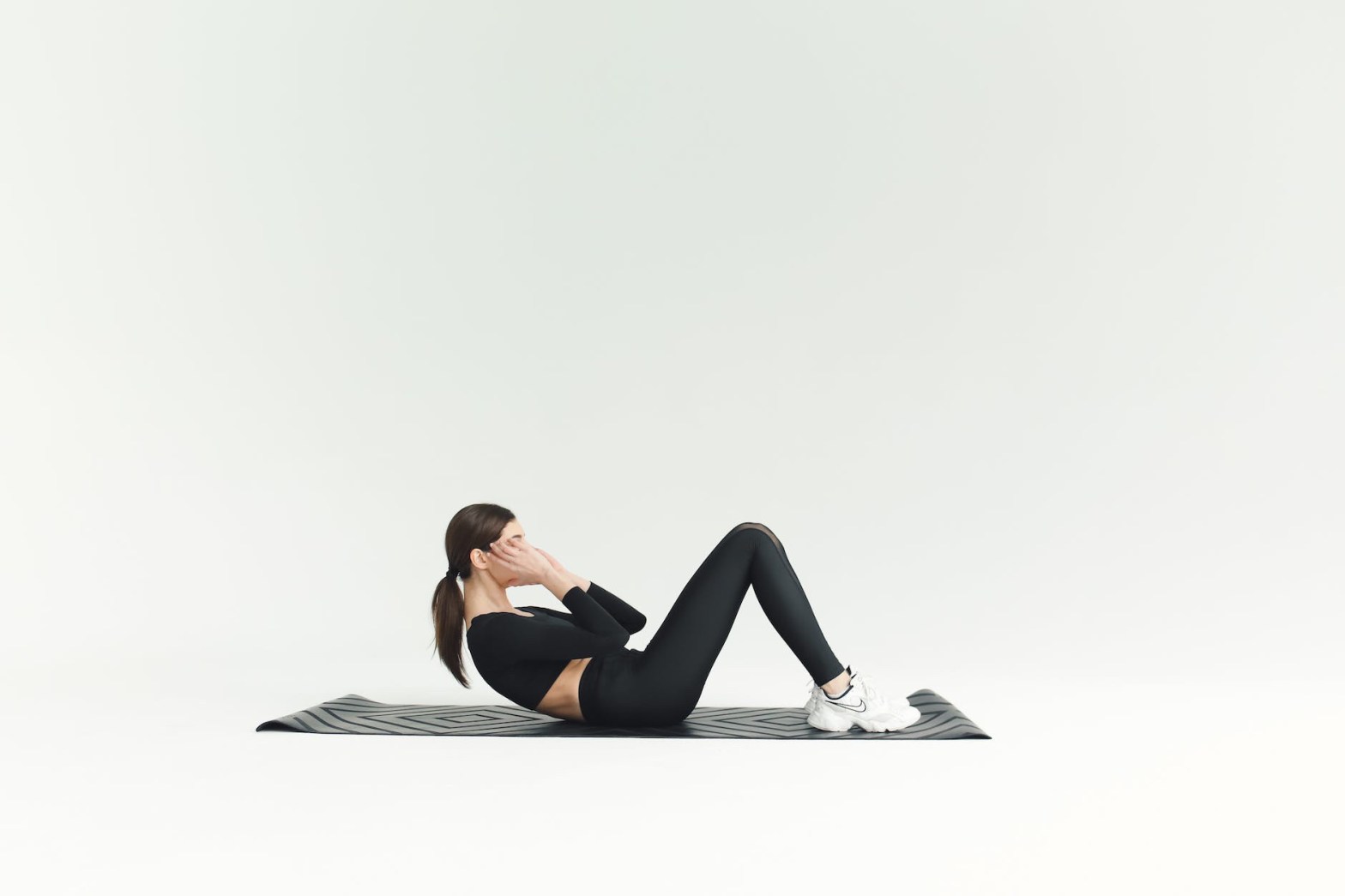
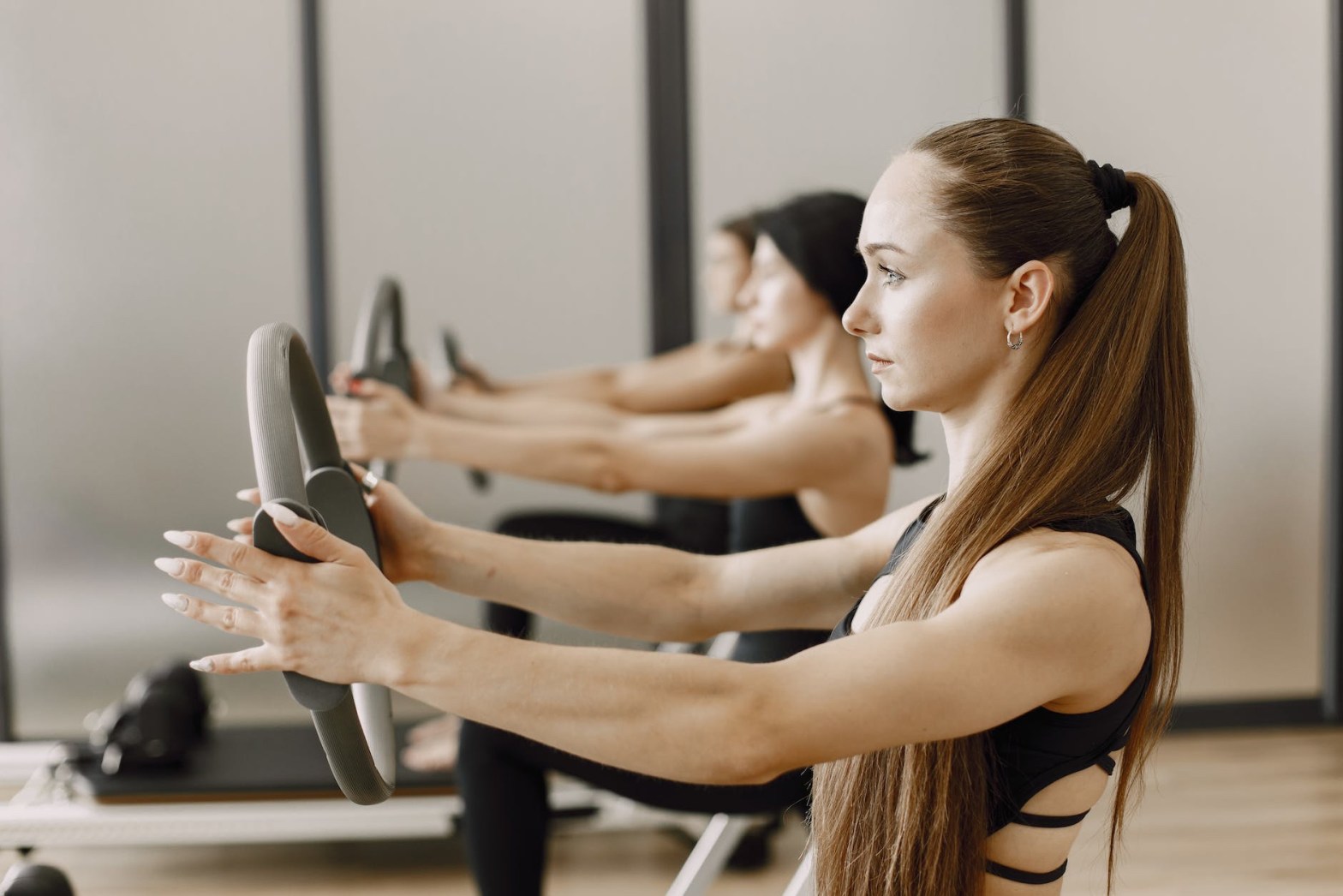
Pilates, a fitness method renowned for its focus on core strength, flexibility, and body awareness, offers a world of possibilities when it comes to variations. Whether you’re a seasoned practitioner or just starting your Pilates journey, embracing variations can take your practice to new heights, challenge your body in unique ways, and keep your workouts fresh and exciting. In this blog post, we’re delving into the realm of Pilates variations and how they can add a dynamic twist to your routine.

**1. Pilates Push-Up Variations:

The traditional push-up already engages numerous muscles, but Pilates takes it a step further with variations that target different parts of the upper body. Try knee push-ups to focus on building upper body strength with modified intensity. Wide-arm push-ups widen your hand placement to emphasize your chest muscles. For a triceps-centric challenge, opt for diamond push-ups with your hands forming a diamond shape beneath your chest. Incline push-ups, performed with your hands on an elevated surface, add a fresh angle to the exercise, engaging your muscles in new ways.

2. Pilates Leg Circle Variations:

The classic leg circle exercise can be modified to accommodate different fitness levels and body types. Start with small circles to activate your hip flexors and outer thighs. Progress to larger circles as your strength improves. Additionally, experiment with different leg positions, such as lifting the extended leg slightly off the mat for increased difficulty. These variations help sculpt the lower body while enhancing hip mobility.

3. Pilates Side Plank Variations:

Side planks are fantastic for strengthening your obliques and core stability. Spice up this move by lifting your top leg, creating an elegant line from head to toe. You can also add a leg lift and lower, targeting your hip muscles. For an added challenge, transition between side planks on each side without touching the mat. These variations not only build strength but also challenge your balance and coordination.

4. Pilates Teaser Variations:

The teaser exercise is iconic for its core-strengthening benefits. To make it accessible to all levels, consider starting with bent knees and gradually extending them as your core strength improves. You can also add leg variations, such as lowering one leg towards the mat while maintaining the teaser position. These modifications provide a pathway to mastering this advanced move.

5. Pilates Roll-Up Variations:

Roll-ups are excellent for spinal flexibility and core control. If you’re new to the exercise, bend your knees slightly to make it more approachable. As your strength increases, work on straightening your legs. For an advanced variation, try the roll-up with a twist, rotating your torso to engage your obliques as you roll up.

6. Pilates Bridge Variations:

The bridge exercise can be enhanced by adding variations that challenge different muscle groups. Elevate one leg while lifting your hips to create an imbalance that activates your glutes and core. Another option is to perform a single-leg bridge, engaging your hamstrings and glutes to stabilize your body.

7. Pilates Saw Variations:

The saw exercise is perfect for spinal rotation and stretching. To intensify the stretch, reach for the outside of your opposite foot with both hands. This deeper twist enhances flexibility and targets your obliques.

Remember, Pilates is about mindful movement and understanding your body’s needs. Always prioritize proper form and alignment to prevent injuries. Whether you’re looking to add variety to your workouts or seeking new challenges, Pilates variations offer an exciting journey of exploration and growth. So, let’s get creative, try new variations, and continue to reap the incredible benefits that Pilates has to offer!

Remember, it’s important to consult a fitness professional or a certified Pilates instructor before trying new variations, especially if you’re new to Pilates or have any underlying health concerns.

The Benefits of Cross Training Pilates for Strength in Pole Dance

Pole dance is a captivating and physically demanding form of fitness that requires strength, flexibility, and control. To excel in pole dance and enhance your performance, it’s essential to incorporate cross-training exercises that complement and support your pole training. One highly effective cross-training option is Pilates. Known for its emphasis on core strength, alignment, and controlled movements, Pilates offers numerous benefits that can enhance your strength and skills in pole dance.

1. Core Strength and Stability:

A strong core is crucial for executing pole dance moves with control, grace, and fluidity. Pilates is renowned for its focus on core strength, particularly the deep abdominal muscles, back muscles, and pelvic floor. The precise and controlled movements in Pilates engage and strengthen these core muscles, providing a solid foundation for your pole dance practice. A strong core not only supports your body in executing challenging pole tricks but also promotes better posture, balance, and overall body awareness.

2. Improved Flexibility and Range of Motion:

Flexibility is a key component of both Pilates and pole dance. Pilates exercises emphasize lengthening and stretching the muscles, improving flexibility and joint mobility. Through consistent Pilates practice, you’ll gradually increase your range of motion, making it easier to execute pole dance moves that require a broad range of flexibility. Additionally, Pilates promotes balanced muscular development, ensuring that you maintain flexibility while building strength.

3. Increased Upper Body and Grip Strength:

Upper body and grip strength are essential for performing dynamic pole tricks and holds. Pilates exercises can effectively target and strengthen the muscles of the arms, shoulders, and upper back. Movements like push-ups, planks, and arm circles in Pilates engage the upper body muscles, building endurance and increasing strength. Strengthening these muscle groups not only improves your ability to hold on to the pole but also enhances your control and precision during transitions and intricate pole dance sequences.

4. Body Awareness and Alignment:

Pilates places a strong emphasis on body awareness and proper alignment. Through mindful movements and focused attention, Pilates helps you develop a deeper understanding of your body’s mechanics and alignment. This heightened body awareness translates directly into your pole dance practice, allowing you to execute movements with precision, control, and reduced risk of injury. With Pilates, you’ll gain a better understanding of how to engage specific muscles, maintain proper posture, and move efficiently on and off the pole.

5. Injury Prevention and Rehabilitation:

As with any physical activity, there is a risk of injury in pole dance. Pilates can be an excellent tool for injury prevention and rehabilitation. By strengthening your core and stabilizing muscles, Pilates helps support and protect vulnerable areas of the body, such as the lower back and shoulders. Additionally, Pilates exercises promote balanced muscle development, correcting muscle imbalances that may contribute to injury. If you’re recovering from an injury, working with a knowledgeable Pilates instructor can help you safely rehabilitate and regain strength and mobility.

Incorporating Pilates into Your Pole Dance Training:

To reap the benefits of Pilates for pole dance, consider adding Pilates sessions or classes to your training routine. Look for Pilates studios or instructors who have experience working with pole dancers or dancers in general, as they will understand the specific needs and goals of your practice. Additionally, there are online Pilates resources and videos available that cater to pole dancers. Aim for a regular Pilates practice that complements your pole dance training, focusing on core strength, upper body conditioning, and flexibility.

By cross-training with Pilates, you’ll enhance your strength, flexibility, and overall performance in pole dance. The core strength, body awareness, and alignment principles learned in Pilates will directly transfer to your pole dance practice, helping you achieve new heights of strength, grace, and confidence.

Finding the Right Studio: Choosing the Perfect Fit for You

Embarking on a fitness journey, such as pole dancing or Pilates, is not just about the exercises; it’s about finding a supportive and nurturing environment that aligns with your goals and values. The studio you choose plays a pivotal role in your experience, progress, and overall enjoyment. With numerous options available, it’s important to take the time to find the perfect fit. In this blog post, we’ll guide you through the process of finding the right studio that resonates with your aspirations and helps you thrive in your chosen fitness endeavor.

Identify Your Priorities

  1. Location: Consider the proximity of the studio to your home, workplace, or other frequently visited areas. A convenient location will make it easier for you to maintain a consistent practice routine.
  2. Specialization: Determine whether you’re seeking a studio that specializes in pole dancing, Pilates, or a combination of both. A specialized studio often provides a more focused and comprehensive experience.
  3. Class Variety: Evaluate the variety of classes offered. A diverse class schedule can help you explore different styles, intensities, and techniques, keeping your practice fresh and engaging.
  4. Instructor Expertise: Research the qualifications and experience of the instructors. Knowledgeable and skilled instructors contribute significantly to your learning and growth.
  5. Studio Atmosphere: Visit the studio to get a sense of the atmosphere. A welcoming, inclusive, and positive environment is conducive to effective learning and personal comfort.

Research and Explore

  1. Online Reviews: Look for online reviews and testimonials from current or former students. These insights can offer valuable perspectives on the studio’s strengths and areas for improvement.
  2. Social Media Presence: Explore the studio’s social media pages and website. Their online presence can provide a glimpse into their community, classes, and values.
  3. Trial Classes: Many studios offer trial classes or introductory packages. Participating in these sessions allows you to experience the studio’s teaching style, ambiance, and facilities firsthand.
  4. Talk to Current Students: If possible, chat with students who are currently attending classes at the studio. Their firsthand experiences can provide valuable insights into the studio’s culture and offerings.

Consider Practicalities

  1. Class Schedule: Review the class schedule to ensure that the studio offers classes at times that align with your availability.
  2. Facility and Equipment: Inspect the cleanliness and condition of the studio space and equipment. A well-maintained environment contributes to a positive learning experience.
  3. Cost and Membership Options: Evaluate the studio’s pricing structure and membership options. Choose a plan that fits your budget and provides the level of access you desire.
  4. Trial Periods and Contracts: Understand the studio’s policies regarding trial periods, cancellation policies, and membership contracts. Clear terms ensure a hassle-free experience.

Trust Your Instincts

  1. Gut Feeling: After visiting a studio and trying a class, pay attention to how you feel. Your intuition often guides you toward the environment where you feel most comfortable and supported.
  2. Cultural Fit: Consider whether the studio’s values and community align with your personal preferences and goals. Feeling connected to the studio’s culture enhances your overall experience.

Choosing the right studio is a crucial step in your fitness journey. The studio you select should empower and motivate you, fostering growth and creating lasting memories. By assessing your priorities, researching options, considering practicalities, and trusting your instincts, you can find a studio that resonates with you on multiple levels. Remember, the right studio goes beyond offering classes—it becomes a second home where you can pursue your fitness aspirations, connect with like-minded individuals, and embark on a transformative journey of self-discovery and empowerment.

Beginner’s Guide: Top Pilates Exercises for Building a Strong Foundation

Pilates, renowned for its focus on core strength, flexibility, and overall body awareness, is an ideal practice for beginners seeking to establish a strong foundation. The beauty of Pilates lies in its versatility—it can be tailored to fit any fitness level and age group. In this blog post, we’ll introduce you to a collection of beginner-friendly Pilates exercises that will help you embark on your Pilates journey with confidence.

Pilates for Beginners: The Perfect Starting Point

As a beginner, it’s crucial to begin with exercises that emphasize proper form, alignment, and controlled movement. These exercises will not only build your core strength but also introduce you to Pilates’ mindful approach to exercise.

1. The Hundred:

Lie on your back, knees bent, feet flat on the floor. Inhale, lift your head and shoulders off the mat, arms reaching by your sides. Pump your arms up and down as you inhale for five counts and exhale for five counts. This exercise warms up your body, activates your core, and introduces you to controlled breathing.

2. Pelvic Curl:

Lie on your back with knees bent, feet hip-width apart. Inhale, tilt your pelvis upward, lifting your lower back off the mat. Exhale, roll your spine off the mat one vertebra at a time, until your hips are lifted. Inhale at the top, then exhale as you lower your spine back down.

3. Single Leg Stretch:

Lie on your back, knees drawn towards your chest. Lift your head, neck, and shoulders off the mat. Extend your right leg while pulling your left knee towards your chest, gently holding your shin. Switch legs in a fluid, rhythmic motion. This exercise enhances core engagement and coordination.

4. Spine Stretch Forward:

Sit tall with legs extended in front of you, slightly wider than hip-width apart. Inhale, lengthen your spine. Exhale, hinge from your hips and reach your arms forward as you round your spine. Inhale to sit tall again, stacking your vertebrae.

5. Swan Prep:

Lie on your stomach, hands placed under your shoulders, elbows bent. Inhale, lift your upper body and head off the mat while engaging your back muscles. Exhale, lower your upper body back down. This exercise strengthens the muscles of the upper back.

6. Shoulder Bridge Prep:

Lie on your back with knees bent, feet hip-width apart. Inhale, press into your feet, lift your hips off the mat, and roll your spine off the floor. Exhale, lower your spine back down. This exercise targets the glutes, hamstrings, and core.

7. Saw:

Sit tall with legs extended and arms out to the sides. Inhale, twist your torso to the right, reaching your left hand towards your right foot. Exhale, round your spine and reach your right hand towards your left foot. This exercise improves spinal mobility and stretches the hamstrings.

8. Modified Swan Dive:

Lie on your stomach, arms extended forward. Inhale, lift your upper body and legs off the mat, keeping your gaze down. Exhale, lower back down. This exercise strengthens the back muscles and improves spinal extension.

9. Calf Raise:

Sit tall with legs extended, feet flexed, and hands resting beside your hips. Inhale, lift your heels off the mat, engaging your calf muscles. Exhale, lower your heels back down. This exercise enhances ankle stability and strengthens the lower legs.

10. Child’s Pose:

Kneel on the mat, toes together, knees apart. Sit back onto your heels, extending your arms forward and lowering your forehead to the mat. Breathe deeply and relax into the stretch, releasing tension from the back and shoulders.

In Conclusion:

These beginner-friendly Pilates exercises provide an excellent starting point for establishing a strong foundation in your practice. As you engage with these movements, remember to focus on proper form, alignment, and controlled breathing. Pilates is a journey, and every step you take contributes to your growth and well-being. Embrace the mindful approach, listen to your body, and enjoy the process of building strength, flexibility, and body awareness through Pilates.

So roll out your mat, clear your mind, and allow these foundational Pilates exercises to set the stage for a transformative and empowering journey towards holistic well-being.

Exploring Mindful Movement: Nurturing the Mind-Body Connection

Pole-ates Playhouse – Your Hub for Mindful Movement

In today’s fast-paced world, where our attention is often divided among countless distractions, the concept of mindfulness has emerged as a powerful tool for cultivating well-being. Mindfulness isn’t limited to meditation; it can also be applied to our physical activities. This is where “mindful movement” comes into play. In this blog post, we’ll dive into the world of mindful movement, exploring what it is and how it can enhance your physical and mental well-being.

Understanding Mindful Movement

At its core, mindful movement is the practice of bringing focused awareness and intention to your physical activities. It’s about being fully present in the moment, savoring the sensations, and moving with purpose and intention. Here’s what sets mindful movement apart:

**1. Present-Moment Awareness: Mindful movement encourages you to be fully present in your body and your surroundings. Instead of letting your mind wander, you direct your attention to the here and now.

**2. Intentional Movement: Every movement is intentional and purposeful. Whether you’re stretching, dancing, or practicing yoga, each motion is performed with awareness and care.

**3. Breath Awareness: Mindful movement often incorporates conscious breathing. Paying attention to your breath helps you stay connected to your body and its sensations.

**4. Non-Judgment: In mindful movement, there’s no room for self-criticism or judgment. It’s about accepting where you are in your practice without comparison or expectation.

The Benefits of Mindful Movement

Engaging in mindful movement offers a plethora of benefits for your physical and mental well-being:

**1. Stress Reduction: Mindful movement can be a powerful stress-relief tool. When you’re fully present in your practice, worries and stressors tend to fade into the background.

**2. Improved Posture and Alignment: Being mindful of your movements can help you maintain proper posture and alignment, reducing the risk of injury and discomfort.

**3. Enhanced Body Awareness: Mindful movement increases your body awareness, helping you identify and address areas of tension or imbalance.

**4. Mind-Body Connection: It fosters a strong mind-body connection, allowing you to respond to your body’s needs more effectively.

**5. Greater Appreciation: Mindful movement invites you to appreciate the capabilities and limitations of your body, promoting self-acceptance and self-compassion.

Incorporating Mindful Movement Into Your Life

Whether you’re a seasoned yogi, a pole dancer, or simply someone looking to lead a more mindful life, here are some tips for incorporating mindful movement into your routine:

  • Start Small: You don’t need to commit to long sessions. Even a few minutes of mindful stretching or walking can make a difference.
  • Choose Activities You Love: Select activities that resonate with you. If you enjoy it, you’re more likely to be present and engaged.
  • Practice Regularly: Consistency is key. Dedicate time to your mindful movement practice on a regular basis.
  • Stay Open-Minded: Approach your practice with an open mind and a non-judgmental attitude. Be kind to yourself.

In Conclusion

Mindful movement is a journey of self-discovery, well-being, and self-care. It invites you to savor the beauty of the present moment and reconnect with your body and breath. Whether you’re exploring yoga, dance, or any other form of movement, embracing mindfulness can enrich your practice and enhance your overall quality of life.

Pole Dance 101: 3 Essential Things to Know Before Taking a Pole Class

Pole dance has gained popularity as a captivating and empowering form of fitness and self-expression. If you’re considering taking a pole class for the first time, it’s essential to come prepared and informed. In this blog post, we’ll explore three key things you should know before stepping into the world of pole dance. From what to wear to managing expectations, these insights will ensure a positive and fulfilling pole dance experience. Let’s dive in!

• Dress Comfortably and Appropriately:

• When attending a pole class, it’s important to wear clothing that allows freedom of movement while maintaining modesty. Opt for form-fitting attire such as leggings or shorts that expose the skin for grip, and a fitted top or sports bra. Avoid wearing loose or baggy clothing that may hinder movement or get caught on the pole. Additionally, consider bringing a pair of high heels or dance shoes for certain classes, as they can enhance fluidity and lines in your movements.

Keyword: What to wear to a pole class

• Leave Expectations at the Door:

• Entering a pole class with an open mind and realistic expectations is crucial. Pole dance is a skill that takes time and practice to develop. Understand that progress is individual and may vary from person to person. Embrace the learning process, be patient with yourself, and celebrate small victories along the way. Pole dance is about self-expression, strength, and personal growth, so focus on enjoying the journey rather than solely focusing on achieving specific moves or goals.

Keywords: Pole dance expectations, Pole class progress

• Embrace a Supportive and Inclusive Environment:

• Pole dance studios foster a welcoming and non-judgmental atmosphere where individuals of all shapes, sizes, and fitness levels come together to celebrate their bodies and express themselves. Embrace the supportive community and connect with fellow students who share a passion for pole dance. Remember that everyone starts somewhere, and everyone in the class is there to learn and grow. Encourage and uplift one another, creating a positive and empowering environment for everyone involved.

Keywords: Inclusive pole dance class, Supportive pole dance community

Before embarking on your pole dance journey, it’s crucial to familiarize yourself with a few key aspects. Dress comfortably and appropriately, leaving room for freedom of movement while maintaining modesty. Manage your expectations by understanding that progress takes time and enjoying the process is just as important as achieving specific goals. Embrace the supportive and inclusive environment of the pole dance community, connecting with others who share your passion. By keeping these essential points in mind, you’ll be well-prepared to embark on an exhilarating and empowering pole dance experience.

Remember, pole dance is not just a workout—it’s a journey of self-discovery, confidence-building, and embracing your inner strength. So, step into that pole class with excitement and curiosity, and let the magic unfold!

Your Pilates Journey Begins: What to Expect at a Pilates Class

Embarking on a Pilates journey is an exciting step toward improving your physical fitness and overall well-being. However, if you’ve never attended a Pilates class before, you might be wondering what to expect. In this blog post, we’ll take you through what a typical Pilates class entails, so you’ll feel confident and prepared for your first session.

1. Arrival and Attire

When you arrive at your Pilates class, you’ll likely find a welcoming and calming atmosphere. Here’s what to expect in terms of attire and preparation:

  • Comfortable Clothing: Wear breathable, comfortable workout attire that allows for freedom of movement. Form-fitting clothing helps instructors see your form and alignment.
  • Footwear: Pilates is typically practiced barefoot or with grip socks designed for studio use. Your instructor will specify their preference.
  • Equipment: Some Pilates classes may use specialized equipment like reformers, Cadillac machines, or barrels. If you’re attending a class with equipment, it will be provided by the studio.

2. Warm-Up and Centering

Pilates classes often begin with a warm-up and centering session. This phase helps prepare your body and mind for the exercises ahead. Expect gentle movements that focus on breathing, body awareness, and relaxation.

3. Mat Exercises

Mat Pilates is a fundamental part of many classes. You’ll perform a series of exercises on a mat that target various muscle groups. These exercises are designed to build core strength, improve flexibility, and enhance overall body awareness. The instructor will guide you through each movement, emphasizing proper form and alignment.

4. Equipment-Based Exercises (Optional)

If you’re attending a class that incorporates specialized Pilates equipment like reformers, Cadillac machines, or barrels, you’ll have the opportunity to use these during your session. The instructor will provide guidance on how to use the equipment safely and effectively.

5. Controlled Movements and Breathing

Central to Pilates is the concept of controlled movements and mindful breathing. Throughout the class, you’ll focus on moving with precision, stability, and intention. Proper breathing techniques are emphasized to enhance your mind-body connection and promote relaxation.

6. Progressive Sequences

Pilates classes often include sequences of exercises that flow seamlessly from one to the next. These sequences challenge your strength, coordination, and flexibility while promoting a sense of fluidity and grace in your movements.

7. Adaptations for All Levels

Pilates classes are adaptable to different fitness levels. Instructors offer modifications and variations to accommodate beginners and challenge more advanced participants. Don’t hesitate to communicate with your instructor about any specific concerns or limitations you may have.

8. Cool-Down and Stretching

At the end of your Pilates class, there’s typically a cool-down and stretching session. This phase promotes flexibility, relaxation, and recovery. You’ll stretch the muscles you’ve worked during the class, focusing on elongating and releasing tension.

9. Mind-Body Connection

Pilates encourages a strong mind-body connection. During your session, you’ll cultivate awareness of your body’s movements, sensations, and alignment. This mindfulness is a central aspect of Pilates that extends beyond the studio and into your daily life.

10. A Supportive Community

Pilates classes often foster a sense of community and camaraderie among participants. You’ll have the opportunity to connect with others who share your interest in fitness and well-being, creating a supportive and motivating environment.

Conclusion

Attending a Pilates class is an enriching experience that promotes physical strength, flexibility, and mental well-being. Knowing what to expect can ease any apprehensions and help you fully enjoy the benefits of Pilates. So, embrace the journey, listen to your body, and savor the mindful movements that Pilates has to offer. Your Pilates practice is not just a workout; it’s a holistic path to better health and vitality.

Rediscovering Your Flow: Tips for Returning to Pole Dancing After a Break

Pole dancing is a captivating and empowering form of fitness and self-expression. Whether you took a hiatus due to life’s demands, injury, or any other reason, returning to pole dancing can be an exhilarating and rewarding journey. As you prepare to get back on the pole at Pole-ates Playhouse or your favorite studio, here are some tips to help you rediscover your flow with confidence:

1. Prioritize Safety First

Safety should always be your top priority when returning to pole dancing. If you’ve had any injuries or concerns during your break, consult with a healthcare professional before resuming your practice. They can provide guidance on how to safely ease back into your pole dancing routine.

2. Choose the Right Level

Just like with Pilates, it’s crucial to select the appropriate level for your current skill and fitness level. Don’t be discouraged if you need to start with a beginner class or a lower-level pole. It’s essential to build a solid foundation to prevent injuries and ensure a successful return to pole dancing.

3. Warm Up and Cool Down

Warming up and cooling down are essential to prevent muscle strains and improve flexibility. Incorporate stretching exercises and light cardio into your routine before and after pole dancing sessions. These practices will help your body adjust to the demands of pole dancing and reduce the risk of injury.

4. Reconnect with Technique

Returning to pole dancing offers an opportunity to focus on refining your technique. Spend time revisiting the basic moves and proper form. A strong foundation in technique will make it easier to progress to more advanced tricks and spins.

5. Set Realistic Goals

Setting achievable goals is motivating and rewarding. Start with small goals that cater to your current abilities and gradually work your way up. Whether it’s nailing a particular spin or improving your stamina, tracking your progress will help you stay motivated.

6. Embrace Your Journey

Remember that everyone’s pole dancing journey is unique. Embrace the process and don’t compare yourself to others. Be patient with yourself and celebrate even the smallest victories along the way. Pole dancing is about personal growth and self-expression, so enjoy every moment of your return.

7. Seek Support and Community

Pole dancing studios like Pole-ates Playhouse often have a supportive and welcoming community. Connect with fellow pole dancers, share your experiences, and learn from others. The camaraderie and encouragement of the pole dancing community can be incredibly motivating as you return to the pole.

8. Invest in Proper Attire

Having the right attire can enhance your comfort and performance while pole dancing. Invest in high-quality pole dance clothing, such as grip-friendly leggings and tops, and consider using grip aids to ensure a secure grip on the pole.

9. Practice Regularly

Consistency is key when returning to pole dancing. Try to establish a regular practice schedule that works for you. Even short, frequent practice sessions can lead to significant improvement over time.

10. Have Fun

Above all else, remember to have fun! Pole dancing is an exciting and empowering form of fitness and self-expression. Enjoy the process of rediscovering your love for the pole, experimenting with new moves, and embracing the joy that comes with dancing.

Returning to pole dancing after a break can be an incredibly fulfilling experience. By prioritizing safety, setting realistic goals, and staying patient and consistent, you’ll soon find yourself back in the groove, soaring gracefully on the pole, and loving every moment of it. Welcome back to the world of pole dancing at Pole-ates Playhouse!

The Six Principles of Pilates: A Perfect Fit for Pole-ates Playhouse

Welcome to Pole-ates Playhouse! If you’re looking for a dynamic and effective workout that combines the strength and grace of pole dancing with the principles of Pilates, you’ve come to the right place. Pilates is a system of exercise that focuses on building core strength, flexibility, and body awareness. By incorporating these six fundamental principles of Pilates into your pole fitness routine, you can enhance your performance, prevent injuries, and achieve overall body balance.

  1. Concentration

In both Pilates and pole dancing, concentration is key. To get the most out of your workouts, it’s essential to focus your mind on the movements and engage with your body fully. Concentration helps improve coordination and ensures you perform the exercises with proper form, maximizing their effectiveness. Whether you’re holding a challenging pole position or flowing through a Pilates sequence, staying present and focused will elevate your performance.

  1. Control

Control is at the core of both Pilates and pole dancing. In Pilates, the emphasis is on controlled and precise movements, maintaining proper alignment and engaging the right muscles throughout each exercise. Similarly, pole dancing requires controlled transitions and movements to perform spins, tricks, and aerial maneuvers safely and gracefully. By honing your control through Pilates, you’ll develop the strength and stability needed to execute pole movements with elegance and ease.

  1. Centering

In Pilates, the center of the body, often referred to as the “powerhouse,” is the focal point of each exercise. It includes the muscles of the abdomen, lower back, hips, and glutes. Centering strengthens and stabilizes your core, providing a solid foundation for pole dancing. The strong core developed through Pilates will improve your pole balance, control, and fluidity, allowing you to perform with greater confidence and control.

  1. Breath

Breathwork plays a crucial role in both Pilates and pole dancing. Pilates emphasizes deep, diaphragmatic breathing that aids in engaging the core and supporting movements. Similarly, in pole dancing, proper breathing helps you stay relaxed, focused, and in control during complex routines. Integrating breathwork into your Pole-ates practice promotes relaxation, reduces tension, and improves endurance, enhancing your overall performance.

  1. Flow

Flow and fluidity are essential aspects of both Pilates and pole dancing. In Pilates, exercises are designed to flow seamlessly from one to the next, creating a continuous and connected movement experience. In pole dancing, transitions between tricks and spins require a smooth and graceful flow to captivate your audience. By incorporating Pilates’ flow principles into your pole routine, you’ll cultivate elegance and poise, taking your performance to the next level.

  1. Precision

Precision in movement is fundamental to both Pilates and pole dancing. In Pilates, each exercise is executed with meticulous attention to alignment and muscle engagement. Similarly, in pole dancing, precise movements are vital for executing challenging tricks and combinations safely and beautifully. Embrace the precision of Pilates in your Pole-ates practice to enhance your body awareness, control, and overall performance on the pole.

Pole-ates Playhouse combines the exhilarating art of pole dancing with the transformative power of Pilates. By embracing the six principles of Pilates – Concentration, Control, Centering, Breath, Flow, and Precision – you can elevate your pole fitness journey to new heights. Whether you’re a seasoned pole dancer or a Pilates enthusiast looking for a new challenge, Pole-ates offers a unique and empowering workout experience.

At Pole-ates Playhouse, we celebrate strength, flexibility, and the joy of movement. Come join our vibrant community and unlock your true potential through the fusion of Pilates and pole dancing. Let the power of the six principles guide you as you embark on a journey of self-discovery, growth, and endless possibilities.

Are you ready to step into the spotlight and conquer the pole with grace and confidence? We believe you are! So, grab your pole and embrace the magic of Pole-ates today!