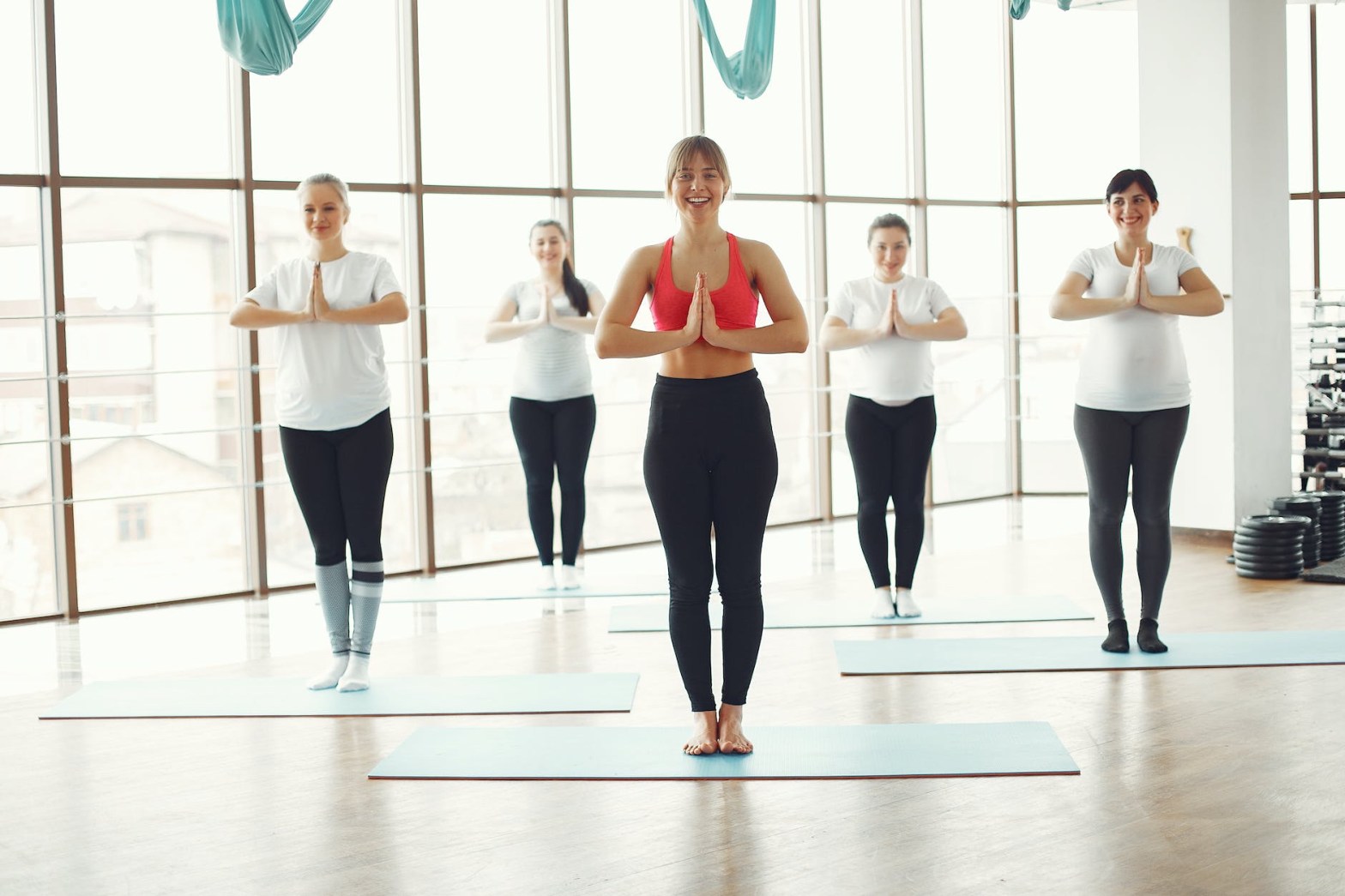
Bouncing Back Strong: Tips for Getting Back Into Working Out After Taking Time Off

Life can sometimes throw us off track, causing a break in our workout routine. Whether it’s due to an injury, illness, busy schedule, or any other reason, getting back into working out after a hiatus can feel daunting. But fear not! In this blog post, we’ll provide you with valuable tips to help you bounce back strong and reignite your fitness journey. With a positive mindset and a strategic approach, you’ll be back on track and making progress in no time. Let’s dive in!

• Start Slow and Gradual:

• After a break, it’s essential to ease back into your workout routine gradually. Avoid the temptation to jump right back into intense workouts or heavy lifting. Begin with lower intensity exercises, shorter durations, or lighter weights to allow your body to readjust and adapt. This approach minimizes the risk of injury and helps prevent burnout, setting a solid foundation for future progress.

• Set Realistic Goals:

• Setting realistic goals is crucial when restarting your fitness journey. Be honest with yourself about your current fitness level and set achievable goals that align with it. Start by focusing on consistency and establishing a routine rather than aiming for immediate drastic changes. Celebrate small milestones along the way, as they will keep you motivated and build momentum for more significant achievements.

• Prioritize Proper Form and Technique:

• Pay close attention to your form and technique during workouts. After a break, your body may need time to regain muscle memory and neuromuscular coordination. Emphasize quality over quantity, focusing on executing exercises with proper form. Consider working with a fitness professional or trainer to ensure you’re performing exercises correctly and safely.

• Listen to Your Body:

• Your body will provide valuable feedback as you resume your workouts. Pay attention to how you feel physically and mentally. It’s normal to experience some muscle soreness or fatigue, but distinguish between normal post-workout discomfort and potential signs of overexertion or injury. Give yourself permission to modify exercises or take additional rest days as needed. Be kind to yourself and practice self-care throughout the process.

• Find Enjoyment and Variety:

• Rediscover the joy of movement by exploring different types of exercises and activities. Incorporate activities that you genuinely enjoy, whether it’s dancing, hiking, cycling, or playing a sport. Adding variety to your workouts not only keeps things interesting but also engages different muscle groups and prevents boredom. Experiment with new classes, workout apps, or online videos to find what excites you.

• Seek Accountability and Support:

• Accountability and support can be powerful motivators during your fitness journey. Consider finding a workout buddy, joining a fitness group or class, or seeking an online community of like-minded individuals. Sharing your goals, progress, and challenges with others can provide encouragement, advice, and a sense of camaraderie.

• Prioritize Recovery and Rest:

• Allowing your body time to recover and rest is crucial for progress. Incorporate rest days into your routine to give your muscles, joints, and nervous system adequate time to repair and rejuvenate. Focus on quality sleep, hydration, and nourishing your body with nutritious foods to support recovery and overall well-being.

• Celebrate Non-Scale Victories:

• Remember that progress extends beyond the numbers on the scale. Celebrate non-scale victories such as increased stamina, improved flexibility, enhanced mood, or the ability to perform exercises with greater ease. Acknowledge and appreciate the positive changes happening within your body and mind.

Getting back into working out after taking time off is an opportunity for a fresh start on your fitness journey. By starting slow, setting realistic goals, prioritizing proper form, listening to your body, finding enjoyment and variety, seeking accountability and support, prioritizing recovery and rest, and celebrating non-scale victories, you’ll regain your momentum and make strides towards your fitness goals. Embrace the process, be patient with yourself, and enjoy the transformative power of fitness once again!
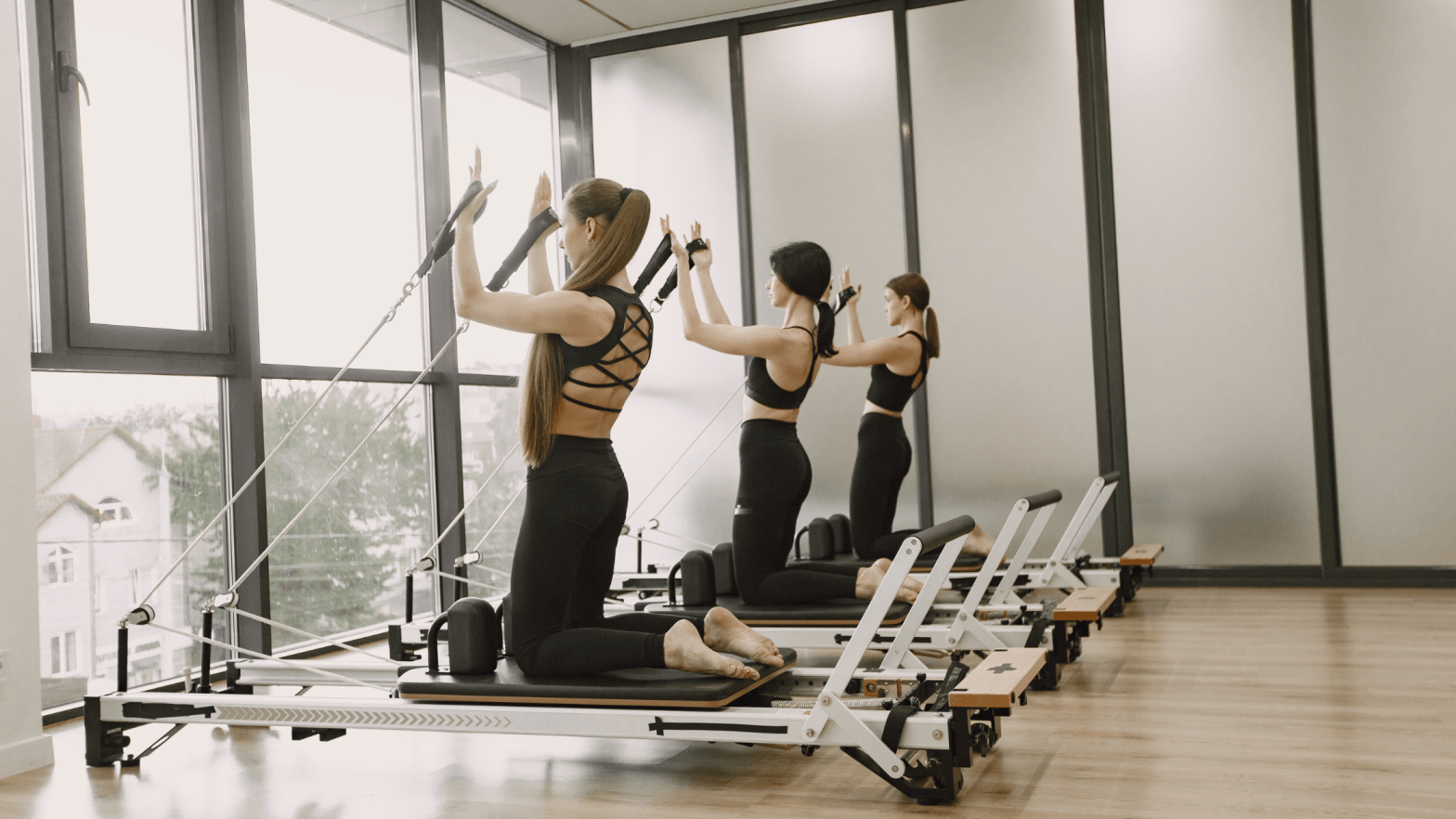
Is Pilates Good for Weight Loss? Exploring the Benefits of Pilates at Poleates Playhouse

In today’s fast-paced world, the quest for effective and sustainable weight loss methods is a common pursuit. Many fitness enthusiasts are drawn to various workout routines, but one form of exercise that often flies under the radar is Pilates. While Pilates is renowned for its ability to improve flexibility, core strength, and posture, it’s also worth exploring whether it can be a valuable tool for those seeking to shed some pounds. In this blog post, we’ll delve into the question: Is Pilates good for weight loss? Specifically, we’ll examine the benefits of Pilates at Poleates Playhouse, a dedicated studio that combines the principles of Pilates with a unique twist.

The Basics of Pilates

Pilates is a fitness method that was developed by Joseph Pilates in the early 20th century. It focuses on core strength, flexibility, balance, and overall body awareness. Pilates exercises are designed to engage both the mind and body, emphasizing controlled movements and precise alignment. While it may not be as high-intensity as some other forms of exercise, Pilates offers numerous benefits that can contribute to a healthier lifestyle and, potentially, weight loss.

  1. Muscle Tone and Lean Body Mass

Pilates at Poleates Playhouse is designed to target specific muscle groups, helping to build lean muscle mass. As you increase muscle tone, your body becomes more efficient at burning calories, even at rest. This can lead to a higher metabolic rate, which is essential for weight loss and weight maintenance.

  1. Improved Posture and Body Awareness

Pilates places a strong emphasis on posture and body alignment. As you develop better posture through Pilates exercises, you naturally engage your core muscles and burn more calories while performing daily activities. Additionally, heightened body awareness helps you make healthier choices in terms of diet and exercise.

  1. Increased Flexibility

Flexibility is a key component of Pilates, and it can lead to improved overall physical performance. Enhanced flexibility allows you to move more freely during workouts, increasing your ability to engage in calorie-burning activities like cardio exercises and resistance training.

  1. Stress Reduction

Stress is a common contributor to weight gain and difficulty losing weight. Pilates promotes relaxation and mindfulness through controlled breathing and focused movements, which can help reduce stress levels. Lower stress levels often lead to better dietary choices and more consistent exercise habits.

  1. Enhanced Core Strength

A strong core is essential for maintaining proper posture and preventing injuries during other physical activities. Pilates at Poleates Playhouse emphasizes core strength, which can help you engage in more intense workouts and burn more calories during these sessions.

  1. Full-Body Workout

While Pilates primarily targets the core muscles, it also engages various muscle groups throughout the body. This full-body engagement can lead to increased calorie expenditure during a Pilates session.

Combining Pilates with Other Forms of Exercise

While Pilates offers many benefits for weight loss, it’s essential to consider it as part of a comprehensive fitness regimen. Combining Pilates with cardiovascular exercises, such as running, swimming, or cycling, can help you achieve your weight loss goals more effectively. Additionally, incorporating resistance training into your routine can further boost your metabolism and muscle development.

Conclusion

So, is Pilates good for weight loss? The answer is a resounding yes, especially when you experience it at a specialized studio like Poleates Playhouse. Pilates offers a unique approach to fitness that promotes muscle toning, improved posture, and stress reduction, all of which contribute to weight loss and overall well-being. While it may not be a high-impact exercise like some others, its benefits are undeniable.

At Poleates Playhouse, you can enjoy the best of both worlds by combining the core-strengthening aspects of Pilates with a fun and engaging twist. Remember that a holistic approach to fitness, including a balanced diet and regular exercise, is the key to achieving and maintaining your weight loss goals. So, why not give Pilates at Poleates Playhouse a try and discover the transformative power of this fantastic workout method for yourself?

Exotic Pole Dance vs. Pole Fitness: Unveiling the Differences

Pole-ates Playhouse – Your Hub for Mindful Movement

Pole dancing has become a versatile and empowering form of expression and fitness. Two distinct styles have emerged within the pole dance community: exotic pole dance and pole fitness. While they both share the same foundational skills, they offer unique experiences and cater to different preferences. In this blog post, we’ll explore the key differences between exotic pole dance and pole fitness to help you choose the path that resonates with you.

Exotic Pole Dance: Celebrating Sensuality and Artistry

Exotic pole dance is characterized by its sensual and expressive nature. Here’s what sets it apart:

**1. Sensuality: Exotic pole dance embraces sensuality and body positivity. Dancers focus on fluid, alluring movements, often incorporating floorwork and sultry choreography.

**2. Artistic Expression: Exotic pole dance is a platform for artistic expression. Dancers create captivating routines that tell a story, evoke emotion, or celebrate their sensuality.

**3. Attire: Performers often wear outfits that reflect their personal style and the mood of their routine, which can include heels, lingerie-inspired attire, or costumes.

**4. Confidence and Empowerment: This style encourages dancers to tap into their inner confidence and embrace their bodies unapologetically.

Pole Fitness: Building Strength and Endurance

Pole fitness, on the other hand, emphasizes the athletic and strength-building aspects of pole dancing:

**1. Functional Strength: Pole fitness classes focus on building functional strength. Participants engage in rigorous workouts that include climbing, spinning, and holding static poses on the pole.

**2. Flexibility: Pole fitness enhances flexibility, enabling participants to perform challenging moves with grace.

**3. Athletic Attire: Fitness-oriented classes often involve athletic attire like shorts and sports bras to allow for a full range of movement.

**4. Endurance and Conditioning: Pole fitness is an excellent way to improve endurance and overall physical fitness.

Choosing Your Path

The choice between exotic pole dance and pole fitness ultimately depends on your personal goals and preferences:

  • Exotic Pole Dance: If you’re drawn to sensuality, artistic expression, and embracing your inner confidence, exotic pole dance may be your calling.
  • Pole Fitness: If you’re seeking a rigorous workout that builds strength, flexibility, and endurance, pole fitness offers a dynamic fitness journey.

Exploring Both Worlds

Many pole dance enthusiasts find fulfillment in exploring both exotic and fitness styles. You can choose to embrace the sensuality of exotic pole dance during one session and focus on building strength and mastering challenging moves in another.

In Conclusion

Exotic pole dance and pole fitness represent two distinct facets of a vibrant and empowering community. Whether you’re drawn to sensuality, artistic expression, or the thrill of athletic achievement, there’s a place for you on the pole. Embrace the style that resonates with you, celebrate your unique journey, and let pole dancing empower you in mind, body, and spirit.

Embarking on a Solo Journey: Tips for Self-Learning Pole Dance with Confidence

Pole dance is a captivating art form that combines strength, grace, and creativity. While taking classes with an instructor offers structured guidance, self-learning pole dance can also be a rewarding journey filled with self-discovery and progress. Whether you’re learning at home or supplementing your studio sessions, these tips will help you navigate the path of self-learning pole dance with confidence.

1. Set Clear Goals:

Define your objectives for self-learning. Whether it’s mastering specific moves, improving flexibility, or creating your routines, having clear goals provides direction and motivation.

2. Create a Dedicated Space:

Designate a space for your pole practice. Ensure it’s safe, clutter-free, and has enough room for your movements. Install your pole securely according to the manufacturer’s instructions.

3. Gather Resources:

Collect resources such as online tutorials, videos, books, and reputable websites that offer guidance on pole techniques, routines, and conditioning exercises.

4. Start with the Basics:

Begin with fundamental moves and poses. Focus on building strength, proper form, and understanding the mechanics of each movement before progressing to more advanced tricks.

5. Warm-Up and Cool Down:

Prioritize warm-up exercises to prevent injuries and cool-down stretches to enhance flexibility. Incorporate dynamic stretches, joint rotations, and light cardio before starting your practice.

6. Invest in Safety:

Safety is paramount in pole dance. Learn about proper grip techniques, how to fall safely, and when to use crash mats or spotters for new moves.

7. Break Down Moves:

Dissect complex moves into smaller components. Practice each part individually before attempting the full move. This approach enhances muscle memory and technique.

8. Film Yourself:

Record your practice sessions to review your form, identify areas for improvement, and track your progress over time. Adjust your techniques based on your self-assessment.

9. Progress Gradually:

Avoid rushing through advanced moves. Progress gradually by mastering the prerequisites and strengthening the required muscle groups before attempting more challenging tricks.

10. Stay Consistent:

Consistency is key in self-learning. Set a regular practice schedule and stick to it. Even short practice sessions on busy days contribute to your progress.

11. Listen to Your Body:

Pay attention to your body’s signals. Rest when needed, and don’t push through pain. Proper recovery and self-care are integral parts of your journey.

12. Embrace Feedback:

Seek feedback from fellow pole dancers, instructors, or online communities. Constructive feedback helps you refine your techniques and grow as a dancer.

13. Be Patient:

Progress in pole dance takes time. Celebrate small victories and be patient with yourself. Remember that the journey is as important as reaching your goals.

14. Get Creative:

Immerse yourself in the creative side of pole dance. Experiment with different combinations, transitions, and freestyle movements to express your unique style.

15. Embrace Challenges:

Don’t shy away from challenges or setbacks. Every struggle is an opportunity to learn and improve. Embrace failures as stepping stones toward success.

16. Stay Inspired:

Engage with the pole dance community through social media, workshops, and performances. Surrounding yourself with inspiration fuels your passion and commitment.

Self-learning pole dance is a journey of self-discovery, growth, and empowerment. By setting clear goals, prioritizing safety, and maintaining consistency, you’ll navigate the path with confidence. Remember that the joy of pole dance lies in both the progress you make and the personal connection you develop with the art form.

So embrace the adventure, embrace your uniqueness, and let the pole guide you through a captivating journey of self-expression and self-love.

Elevate Your Pole Dance: Exploring the Fascinating World of Pole Dancing Heels

When you think of pole dancing, one element that often stands out is the glamorous and iconic heels worn by pole dancers. These heels not only add a touch of elegance and sensuality to the performance but also serve a functional purpose. In this blog post, we’ll delve into the reasons why pole dancers wear heels and explore the fascinating variations available. Get ready to elevate your pole dance experience as we uncover the allure and benefits of pole dancing heels. Let’s step into the world of elevated artistry!

• Enhanced Lines and Posture:

• One of the primary reasons pole dancers wear heels is to enhance their lines and posture. Heels elongate the legs, accentuate the calves, and create visually appealing lines that extend from the feet to the fingertips. The added height also helps to create a longer and leaner appearance, giving the dancer an elegant and graceful silhouette. Heels can make even the simplest movements look more aesthetically pleasing and captivating.

• Improved Grip and Stability:

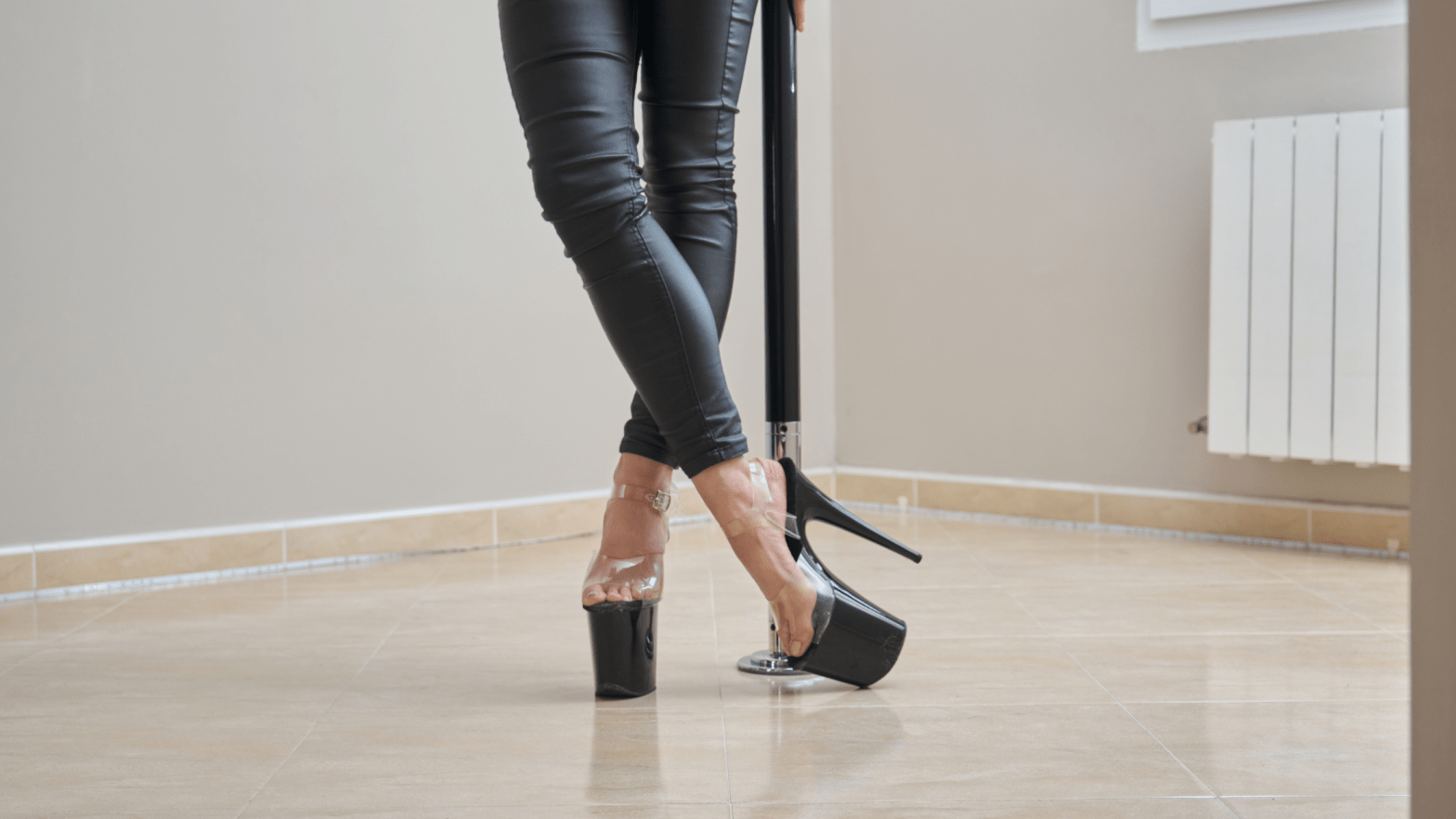
• Contrary to popular belief, pole dancing heels are not solely for aesthetic purposes. The design of pole dancing heels often includes a platform and an ankle strap, providing additional support and stability for dancers during intricate moves and transitions. The platform offers a larger surface area to distribute weight, improving balance and grip on the pole. This enhanced stability allows dancers to execute challenging tricks and spins with confidence.

• Confidence and Empowerment:

• Wearing heels can have a psychological impact on the dancer. They boost confidence and create a sense of empowerment. Heels can transform the way dancers feel about themselves, exuding a sense of power and sensuality. They act as a tool for self-expression and allow dancers to step into a different persona. The click of heels on the floor sets the stage and signifies the beginning of a captivating performance.

Variations of Pole Dancing Heels:

• Stiletto Heels: The Classic Elegance

• Stiletto heels are the epitome of pole dancing glamour. With a slender and high heel, they emphasize the beauty of the legs and create a long, sleek line. Stiletto heels range in height, from moderate to sky-high, allowing dancers to choose the level of challenge and comfort that suits their style and skill level.

• Platform Heels: Stability and Style

• Platform heels combine a thick, elevated sole with a high heel, providing both stability and style. The platform offers a larger surface area, making it easier to balance and distribute weight. Platform heels are a popular choice for dancers who desire added stability during intense pole tricks and dynamic floorwork.

• Ankle Boots: Support and Versatility

• Ankle boots offer additional ankle support and coverage while maintaining the elegance of traditional heels. These boots provide stability and protect the feet during complex pole moves, making them a favorite among dancers who value both style and functionality. Ankle boots come in various designs, including lace-up, zipper, or buckle closures, offering versatility and personalization.

• Pleaser Heels: The Go-To Brand

• Pleaser is a renowned brand that specializes in pole dancing heels. They offer a wide range of styles, including stilettos, platform heels, and ankle boots. Pleaser heels are designed with the specific needs of pole dancers in mind, combining comfort, style, and functionality. Many pole dancers consider Pleaser heels as a go-to option for their reliability and quality.

Pole dancing heels bring a unique blend of beauty, functionality, and empowerment to the world of pole dance. From enhancing lines and posture to providing improved grip and stability, these heels play an integral role in the dancer’s performance. Whether it’s the classic elegance of stiletto heels, the stability of platform heels, the support of ankle boots, or the reliability of Pleaser heels, each variation offers its own benefits and allure. So, embrace the artistry, choose the heels that resonate with your style, and let your pole dance journey soar to new heights of grace and confidence!

The Five Best Hip Flexor Stretches and Strengthening Techniques: Improve Flexibility and Stability

The hip flexors are a group of muscles located at the front of the hip joint that play a vital role in activities like walking, running, and even sitting. Tight or weak hip flexors can lead to discomfort, limited range of motion, and compromised stability. To optimize the health and function of your hip flexors, incorporating a combination of stretches and strengthening exercises is key. Here are the five best hip flexor stretches and strengthening techniques to enhance flexibility and stability.

1. Kneeling Hip Flexor Stretch:

Start by kneeling on one knee, with the other leg in front of you at a 90-degree angle. Engage your core and gently tilt your pelvis forward, feeling the stretch in the front of your hip. Hold the stretch for 30-60 seconds and repeat on the other side. This stretch targets the hip flexors, particularly the psoas muscle, promoting flexibility and relieving tension.

2. Lunge with Knee Drive:

Assume a lunge position, with one foot in front and the other extended behind you. Lower your back knee towards the floor, then push through the front foot to rise up into a standing position while lifting your back knee toward your chest. Hold for a moment, engaging the hip flexors, then return to the lunge position. Repeat for 10-12 reps on each side. This exercise combines stretching and strengthening, improving flexibility and activating the hip flexor muscles.

3. Leg Raises:

Lie on your back with your legs extended. Lift one leg off the floor, keeping it straight, and raise it as high as you comfortably can while engaging your hip flexors. Slowly lower the leg back down without touching the floor and repeat for 10-12 reps on each side. Leg raises target the hip flexors and provide strengthening benefits, promoting stability and balance.

4. Mountain Climbers:

Start in a high plank position, with your hands shoulder-width apart and your body in a straight line. Drive one knee toward your chest, engaging your hip flexors, and quickly alternate legs in a running motion. Perform mountain climbers for 30-60 seconds, maintaining proper form and breathing throughout. This dynamic exercise strengthens the hip flexors, improves cardiovascular fitness, and enhances overall core stability.

5. Bridge Pose:

Lie on your back with your knees bent and feet flat on the floor. Press through your heels and lift your hips off the ground, creating a straight line from your knees to your shoulders. Engage your glutes and hip flexors to hold the position for 20-30 seconds, then lower your hips back down. Repeat for 10-12 reps. Bridge pose targets the hip flexors and strengthens the glutes and core, promoting stability and balance.

Incorporating a combination of these stretches and strengthening techniques into your fitness routine will help improve flexibility, stability, and overall hip function. Remember to listen to your body, start gradually, and modify exercises as needed. Consistency is key, so aim to incorporate these exercises into your regular workouts for optimal results.

By prioritizing both flexibility and strength in your hip flexors, you’ll experience improved range of motion, reduced discomfort, and enhanced stability in your daily activities and fitness pursuits.

Elevating Your Mental Well-being: The Surprising Benefits of Pole Fitness

When you think of pole fitness, images of acrobatic moves and strength training might come to mind. While pole fitness is indeed an excellent way to sculpt your physique, it’s worth exploring the lesser-known but equally significant benefits it offers for your mental health. In this blog post, we’ll delve into how pole fitness can be a powerful tool for enhancing your mental well-being.

Pole Fitness: More Than Just a Physical Workout

Pole fitness is a dynamic and physically demanding form of exercise that combines elements of dance, acrobatics, and strength training. While it’s fantastic for building strength, flexibility, and confidence, it also offers several mental health benefits:

1. Boosted Self-Confidence and Empowerment

One of the most significant mental health benefits of pole fitness is the boost in self-confidence and empowerment it provides. As you master new moves and routines, you’ll gain a profound sense of accomplishment. This sense of achievement extends beyond the studio and can positively impact your self-esteem and self-worth in everyday life.

2. Stress Reduction and Emotional Release

Pole fitness is an intense physical workout that encourages you to push your limits. The intense physical effort releases endorphins, natural mood-lifters that reduce stress and anxiety. Additionally, the flowing, rhythmic movements in pole dancing can serve as an emotional outlet, helping you process and release pent-up emotions.

3. Mind-Body Connection and Awareness

Like yoga and Pilates, pole fitness emphasizes the mind-body connection. You’ll learn to move with intention and grace, increasing your overall body awareness. This heightened awareness can lead to better stress management, as you become more attuned to your body’s physical and emotional signals.

4. Body Positivity and Self-Acceptance

Pole fitness promotes body positivity and self-acceptance by celebrating the diverse range of bodies and abilities that participate in the sport. It encourages you to appreciate your body for what it can do rather than focusing on appearance alone. This shift in perspective can lead to improved body image and self-esteem.

5. Goal Setting and Achievement

Setting and achieving pole fitness goals can be incredibly rewarding for your mental health. Whether it’s mastering a challenging move or performing a full routine, the sense of purpose and accomplishment that comes from reaching your goals can boost your motivation and overall sense of well-being.

6. Supportive Community

Many pole fitness studios offer a supportive and inclusive community of like-minded individuals. The camaraderie and encouragement you receive from fellow pole enthusiasts can create a strong sense of belonging and social support, combating feelings of isolation and loneliness.

7. Improved Mental Resilience

Pole fitness requires perseverance and determination. As you tackle new moves and overcome physical challenges, you’ll develop mental resilience and the ability to push through obstacles both in and outside the studio.

Conclusion

Pole fitness is more than just an exhilarating physical workout; it’s a transformative practice that can significantly enhance your mental well-being. The combination of boosted self-confidence, stress reduction, body positivity, and a supportive community creates a holistic approach to mental health. If you’re looking for a fun, empowering, and mentally invigorating fitness journey, consider giving pole fitness a try. You may be surprised at the positive impact it has on your mental health and overall quality of life.

Exploring the Foundation: Joseph Pilates’ Original 34 Exercises

Introduction: Joseph Pilates, the visionary behind the Pilates method, crafted a series of exercises that formed the core of his innovative approach to fitness and holistic well-being. These 34 exercises, designed to target strength, flexibility, and body awareness, laid the foundation for what we know today as Pilates. In this blog post, we’ll dive into the history and significance of Joseph Pilates’ original 34 exercises.

The Origins: Joseph Pilates, born in 1883, developed his method while interned as a prisoner of war during World War I. Using bed springs and other materials, he devised exercises to help injured soldiers regain strength and mobility. After the war, he continued to refine his approach, eventually opening his first studio in New York City in the 1920s.

The Essence of the Original 34: Pilates believed in training the body as a whole, focusing on the core muscles that support the spine. His original 34 exercises reflect this holistic philosophy, emphasizing controlled movements, precision, and a strong mind-body connection.

The 34 Exercises:

  1. The Hundred
  2. The Roll Up
  3. The Roll Over
  4. One Leg Circle
  5. Rolling Back
  6. One Leg Stretch
  7. Double Leg Stretch
  8. Spine Stretch
  9. Open Leg Rocker
  10. Corkscrew
  11. Saw
  12. Swan Dive
  13. One Leg Kick
  14. Double Leg Kick
  15. Neck Pull
  16. Scissors
  17. Bicycle
  18. Shoulder Bridge
  19. Spine Twist
  20. Jackknife
  21. Side Kick
  22. Teaser
  23. Hip Twist
  24. Swimming
  25. Leg Pull Front
  26. Leg Pull
  27. Side Kick Kneeling
  28. Side Bend
  29. Boomerang
  30. Seal
  31. Crab
  32. Rocking
  33. Control Balance
  34. Push-Up

Significance and Benefits: These exercises are not only a testament to Joseph Pilates’ innovation but also a comprehensive way to promote physical and mental well-being. The original 34 exercises challenge core strength, flexibility, balance, and coordination while encouraging mindful movement and breathing.

Adapting to Modern Times: While the original 34 exercises remain a vital part of Pilates practice, contemporary instructors often incorporate variations and modifications to suit different body types and fitness levels. The Pilates method has continued to evolve, incorporating new equipment and exercises while staying true to its foundational principles.

Conclusion: Joseph Pilates’ original 34 exercises provide a glimpse into the roots of the Pilates method. These exercises reflect his belief in the power of holistic fitness, emphasizing the harmony between body and mind. As you engage in these exercises, remember that you’re not just performing movements – you’re connecting with a rich history of wellness and empowerment.

Ignite Your Workout Mojo: 7 Effective Tips for Exercising When Motivation is Low

Do you find yourself staring at your workout gear with a lack of motivation? We all have those days when the thought of exercising feels like an uphill battle. But fear not! In this blog post, we’ll explore seven effective tips to help you push through the barriers and get moving, even when your motivation is at an all-time low. Get ready to reignite your workout mojo and embark on a fitness journey filled with energy, determination, and satisfaction.

Set Small, Achievable Goals: Fuel Your Motivation

• When motivation is lacking, setting small, achievable goals becomes crucial. Break your workout into manageable tasks that feel attainable, such as completing a 10-minute workout or focusing on a specific exercise. By accomplishing these mini-goals, you’ll build momentum and feel a sense of achievement, reigniting your motivation to continue. Fuel your workout mojo by celebrating even the smallest victories along the way.

Find an Accountability Partner: Share the Journey

• Having someone to share your fitness journey with can make a world of difference in boosting motivation. Find an accountability partner, whether it’s a friend, family member, or workout buddy, who shares your fitness goals. Plan workout sessions together, cheer each other on, and hold each other accountable. The support and encouragement you receive will rekindle your motivation and make your workouts more enjoyable.

Change Up Your Routine: Embrace Variety

• Monotonous workouts can drain your motivation over time. Inject excitement into your fitness regimen by trying new exercises, exploring different workout styles, or participating in group classes. Experiment with a range of activities that pique your interest, such as yoga, dance, or outdoor sports. Embracing variety not only keeps your workouts fresh and engaging but also stimulates your mind and body, reigniting your motivation to exercise.

Find Your Source of Inspiration: Fuel Your Fire

• Discover what inspires and motivates you on your fitness journey. Seek out inspirational stories, follow fitness influencers on social media, or create a vision board filled with images that represent your goals. Surround yourself with positive and motivating content that fuels your fire. When motivation wanes, reconnecting with your source of inspiration can reignite your passion and drive to stay committed to your fitness routine.

Break It Down: Start Small

• On days when motivation is low, the mere thought of a full workout session can be overwhelming. Break it down into smaller, more manageable chunks. Commit to a shorter workout duration, such as 20 minutes, and focus on a specific body part or exercise. By starting small, you’ll likely find that once you begin, your motivation and energy will naturally increase, allowing you to extend your workout if desired.

Create a Reward System: Celebrate Your Efforts

• Motivate yourself by creating a reward system tied to your fitness goals. Set milestones and reward yourself when you achieve them. Treat yourself to a relaxing massage, indulge in a favorite healthy snack, or buy that workout gear you’ve had your eye on. By celebrating your efforts, you’ll associate positive feelings with your workouts, reinforcing your motivation to continue on your fitness journey.

Practice Self-Compassion: Embrace Balance

• Remember, it’s normal to have days when motivation is low. Embrace self-compassion and acknowledge that everyone experiences fluctuations in their fitness journey. Be kind to yourself and avoid self-criticism. If you need a break, allow yourself a day of rest and rejuvenation, especially if you have a pre-existing injury. Listen to your body and find the balance between pushing yourself and respecting your limits. By practicing self-compassion, you’ll maintain a healthy mindset and be better equipped to reignite your motivation in the long run.

When motivation hits a roadblock, implementing these tips can help you power through and reignite your workout mojo. Set achievable goals, find an accountability partner, embrace variety, and tap into your sources of inspiration. Break down your workouts, create a reward system, and practice self-compassion. Remember, motivation may ebb and flow, but with these strategies in your arsenal, you can maintain a consistent fitness routine and achieve your goals. Let your determination and resilience guide you to a rewarding and fulfilling fitness journey.

Understanding Deep Core Muscles: Exercises for a Strong and Stable Core

Pole-ates Playhouse – Your Source for Mindful Movement

Your core is much more than just the visible “six-pack” muscles. Beneath the surface lies a complex network of deep core muscles that are vital for stability, posture, and overall strength. In this blog post, we’ll delve into the world of deep core muscles, exploring what they are and sharing exercises that target them to help you build a strong and stable core.

Demystifying Deep Core Muscles

The deep core muscles are a group of muscles located deep within your abdomen and pelvis. They include:

  1. Transverse Abdominis: This muscle wraps around your abdomen like a corset and plays a crucial role in stabilizing your spine.
  2. Multifidus: Found along your spine, the multifidus muscles help maintain proper alignment and support your spine’s flexibility.
  3. Diaphragm: The diaphragm is not just for breathing; it also assists in core stability by acting as a “roof” for the abdominal cavity.
  4. Pelvic Floor Muscles: These muscles form the base of your core and are responsible for controlling bladder and bowel function.

Why Deep Core Muscles Matter

Engaging and strengthening your deep core muscles offers numerous benefits:

  • Improved Posture: A strong deep core helps you maintain good posture by providing support to your spine and reducing the risk of slouching or excessive arching.
  • Spinal Stability: These muscles act as a natural corset, stabilizing your spine and protecting it from injury.
  • Enhanced Balance and Coordination: Strong deep core muscles improve balance and coordination, crucial for various activities, from sports to everyday movements.
  • Reduced Risk of Back Pain: By supporting your spine, deep core muscles can help prevent or alleviate lower back pain.

Now, let’s explore exercises that target these deep core muscles effectively:

**1. Transverse Abdominis Activation:

  • *Lie on your back with knees bent and feet flat on the floor.
  • *Take a deep breath in, expanding your abdomen.
  • *Exhale fully, drawing your navel in towards your spine.
  • *Hold for a few seconds, then release.
  • *Repeat for 10-15 breath cycles.

**2. Bird Dog:

  • *Get on your hands and knees in a tabletop position.
  • *Extend your right arm forward and your left leg backward.
  • *Engage your deep core to maintain balance.
  • *Hold for a few seconds, then return to the starting position.
  • *Switch sides and repeat for 10-12 reps on each side.

**3. Bridges with Pelvic Floor Engagement:

  • *Lie on your back with knees bent and feet hip-width apart.
  • *Engage your deep core and lift your hips toward the ceiling.
  • *Concurrently, engage your pelvic floor muscles as if stopping the flow of urine.
  • *Lower your hips back down and repeat for 12-15 reps.

**4. Pelvic Floor Lifts:

  • *Sit comfortably with your spine straight.
  • *Engage your pelvic floor muscles by gently lifting them upward.
  • *Hold for a few seconds, then release.
  • *Repeat for 10-15 repetitions.

**5. Planks with Deep Core Activation:

  • *Get into a plank position on your forearms.
  • *Engage your transverse abdominis and pelvic floor muscles.
  • *Maintain the plank for 30-60 seconds, focusing on deep core engagement.

In Conclusion

Understanding and targeting your deep core muscles is essential for overall strength, posture, and injury prevention. By incorporating these exercises into your fitness routine, you’ll build a strong and stable core that supports you in every aspect of your life.

At Pole-ates Playhouse, we’re dedicated to mindful movement and the importance of a strong core. Practice these deep core exercises regularly to unlock the full potential of your core strength and enjoy the many benefits it brings to your physical well-being.