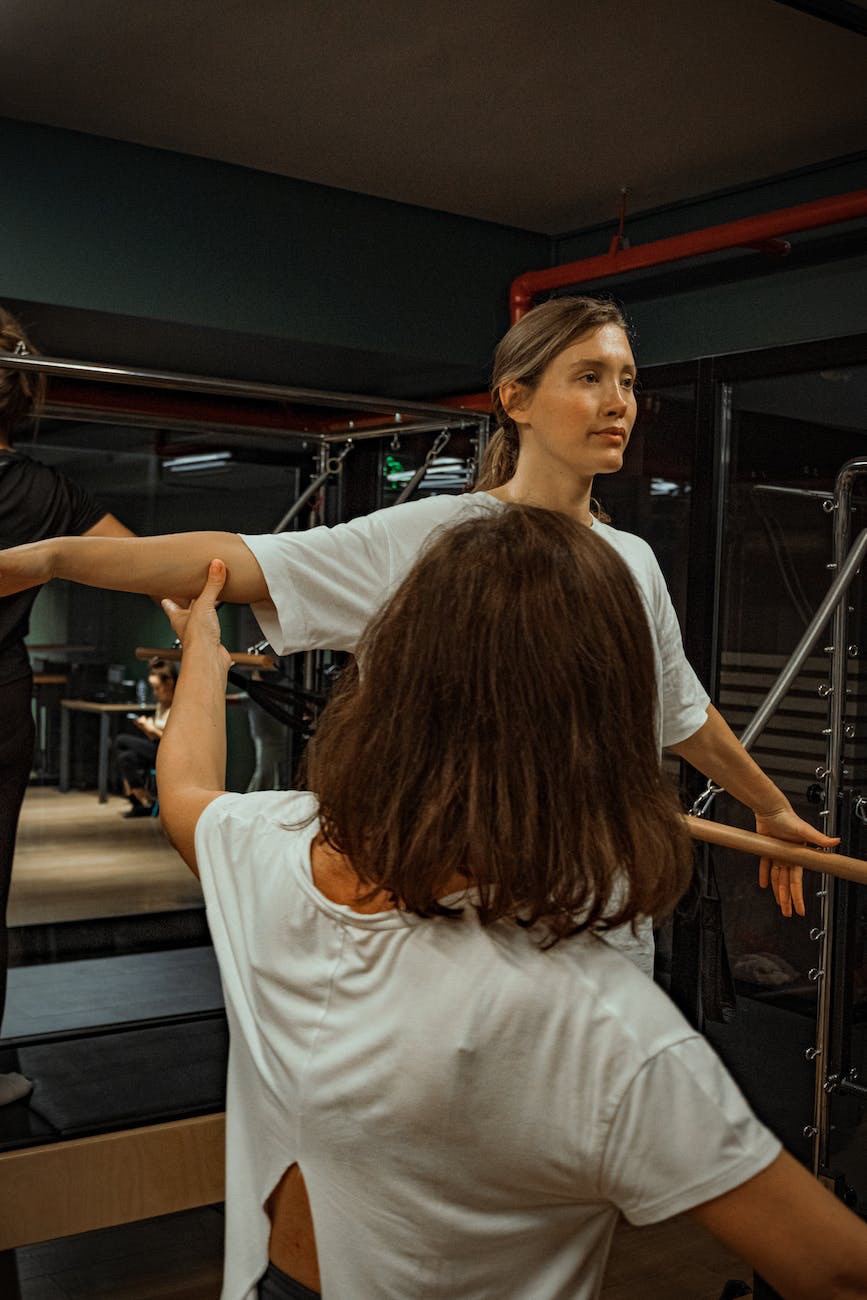
Healing from Within: How Pilates Can Aid Injury Recovery

Injuries are an unfortunate part of life, often leading to physical discomfort and limitations. However, the journey to recovery doesn’t have to be filled with frustration and setbacks. Enter Pilates – a low-impact exercise method that has gained recognition for its remarkable ability to aid in injury rehabilitation and promote healing from within. In this blog post, we’ll explore how Pilates can be a valuable tool in the recovery process, helping individuals regain strength, mobility, and overall well-being after sustaining injuries.

  1. Gentle and Controlled Movement

One of the primary reasons Pilates is effective for injury recovery is its emphasis on controlled and precise movements. Pilates exercises are designed to be gentle on the body, making them suitable for various injury types, including back pain, joint issues, and muscle strains. By focusing on proper alignment and engaging the core, Pilates helps prevent further stress on injured areas while promoting proper muscle activation and joint stability.

  1. Targeted Rehabilitation

Pilates instructors are skilled at tailoring exercises to target specific muscle groups and address individual needs. Whether it’s a sports-related injury, post-surgical recovery, or chronic pain, Pilates can be adapted to suit the unique requirements of each person. The focus on muscle imbalances and the incorporation of specialized equipment like the Reformer or Cadillac enable targeted rehabilitation, helping to re-establish strength and mobility in injured areas.

  1. Core Strength and Stability

The core plays a crucial role in supporting the spine and maintaining overall body stability. Pilates places a significant emphasis on core strengthening, targeting deep abdominal muscles and the back. By building a strong and stable core, individuals can improve their posture, reduce strain on injured areas, and foster a solid foundation for rehabilitation.

  1. Flexibility and Range of Motion

Injuries can often lead to stiffness and reduced range of motion in affected joints and muscles. Pilates incorporates various stretches and lengthening exercises, promoting flexibility and improved range of motion. Gentle, controlled stretching in Pilates can help relieve tension and tightness, enhancing joint mobility and aiding in injury recovery.

  1. Mind-Body Connection

Pilates is not just a physical exercise; it also nurtures a profound mind-body connection. The focus on breath, concentration, and body awareness encourages individuals to listen to their bodies and identify areas of tension or discomfort. This heightened awareness can prevent overexertion during recovery and allow individuals to tune into their bodies’ needs throughout the rehabilitation process.

  1. Gradual Progression

Injury recovery requires a gradual and mindful approach to exercise. Pilates instructors are trained to design progressive programs that consider the individual’s level of fitness and the stage of their recovery. The controlled nature of Pilates exercises allows for gradual progression, ensuring that individuals can build strength and mobility at a pace that suits their healing process.

Pilates, with its gentle yet effective approach, has proven to be a valuable ally in the journey of injury recovery. By fostering core strength, improving flexibility, and promoting a mindful connection with the body, Pilates aids in rehabilitation while reducing the risk of further injuries. Its adaptability to cater to various injuries and individual needs makes it an excellent choice for anyone seeking a safe and effective path to recovery.

As with any exercise program, it’s essential to consult with a healthcare professional before beginning Pilates or any other form of physical activity during the recovery process. With proper guidance and dedication, Pilates can empower individuals to heal from within, regaining strength, mobility, and overall well-being after injury.

Unveiling the World of Pole Dance: Exploring Styles Across the Globe

Pole dance is a captivating art form that has gained popularity worldwide. While the foundational principles remain the same, the style and expression of pole dance can vary greatly from one country to another. Each region brings its unique cultural influences, dance traditions, and artistic flair, resulting in diverse and captivating pole dance styles. In this blog post, we’ll take you on a journey across the globe, unveiling the different styles of pole dance and the distinct flavors they bring to this mesmerizing art form. Let’s explore the world of pole dance together!

• American Pole Dance: Athleticism and Creativity

• Originating in the United States, American pole dance is known for its athleticism, dynamic tricks, and creative choreography. It combines elements of gymnastics, acrobatics, and contemporary dance, showcasing impressive strength, flexibility, and aerial skills. American pole dance often incorporates high-energy spins, inversions, and powerful transitions. It embraces individuality and encourages dancers to express their unique style and personality.

• Russian Exotic Pole: Sensuality and Fluidity

• Russian Exotic Pole has gained international recognition for its sensual and fluid movements. It emphasizes graceful transitions, floorwork, and intricate body waves. Russian Exotic Pole focuses on showcasing the sensual and feminine side of pole dance, incorporating heels, leg extensions, and intricate floor choreography. It emphasizes musicality, storytelling, and capturing emotions through movement. Russian Exotic Pole exudes elegance, sensuality, and captivating performances.

• Chinese Pole: Strength and Acrobatics

• Chinese Pole traces its roots back to ancient Chinese acrobatic traditions. This style showcases incredible strength, power, and acrobatic maneuvers on a vertical pole. Chinese Pole often incorporates daring tricks, flips, and spins performed with impressive precision and speed. It combines elements of martial arts, gymnastics, and circus arts, creating a visually stunning and awe-inspiring performance. Chinese Pole is a testament to the incredible physical capabilities of pole dancers.

• Brazilian Pole Dance: Energy and Rhythm

• Brazilian Pole Dance, influenced by the vibrant culture of Brazil, is characterized by its energy, rhythm, and infectious enthusiasm. This style often incorporates elements of samba, capoeira, and other Brazilian dance forms. Brazilian Pole Dance emphasizes fluidity, sensual movements, and infectious stage presence. It blends dynamic spins, intricate transitions, and captivating choreography, creating an energetic and joyful atmosphere. Brazilian Pole Dance radiates passion, rhythm, and a celebration of movement.

• Contemporary Pole: Artistry and Expression

• Contemporary Pole combines the principles of contemporary dance with the technical elements of pole dance. This style emphasizes artistic expression, storytelling, and exploring the boundaries of movement. Contemporary Pole often incorporates fluid transitions, unique shapes, and emotional performances. It encourages dancers to push creative boundaries, experiment with unconventional movements, and convey deep emotions through their choreography. Contemporary Pole is a fusion of dance, art, and personal expression.

Pole dance is a global phenomenon that encompasses a rich tapestry of styles and influences from around the world. From the athleticism and creativity of American Pole Dance to the sensuality of Russian Exotic Pole, the strength and acrobatics of Chinese Pole, the energy of Brazilian Pole Dance, and the artistry of Contemporary Pole, each style brings its unique charm and flavor to this mesmerizing art form. As pole dance continues to evolve and grow, it will undoubtedly continue to be shaped by the diverse cultures and artistic expressions of pole dancers worldwide. So, embrace the beauty of diversity, celebrate the richness of pole dance styles, and let your own unique style shine in this captivating world of movement and expression.

The Ultimate Guide to Effective Flexibility Training

Flexibility is a cornerstone of overall fitness and well-being. Whether you’re an athlete, a fitness enthusiast, or simply looking to improve your range of motion, flexibility training is an essential component of your routine. In this comprehensive guide, we’ll explore the benefits of flexibility training, different types of stretching, and strategies to help you achieve your flexibility goals.

Understanding Flexibility: Why It Matters

Flexibility refers to the ability of your muscles and joints to move through their full range of motion. It’s not only crucial for preventing injuries but also for enhancing athletic performance, relieving muscle tension, and promoting better posture. Additionally, flexibility training can have a positive impact on your overall quality of life by improving your ability to perform everyday activities with ease.

Types of Flexibility Training: Static vs. Dynamic Stretching

  1. Static Stretching: This involves holding a stretch in a comfortable position for an extended period, usually around 15-60 seconds. Static stretching helps to improve the length and elasticity of muscles and is best performed after a workout or during a dedicated stretching session.
  2. Dynamic Stretching: Dynamic stretches involve controlled movements that take your joints and muscles through their full range of motion. These stretches are ideal for warming up before a workout, as they increase blood flow, improve muscle activation, and prepare your body for more intense activity.

Effective Strategies for Flexibility Training

  1. Warm Up: Before engaging in any type of stretching, it’s essential to warm up your muscles with light aerobic activity. This could be a brisk walk, light jogging, or cycling. A warm-up increases blood flow and raises your body temperature, making your muscles more pliable and less prone to injury during stretching.
  2. Consistency is Key: Flexibility gains take time and regular effort. Aim to include flexibility training in your routine 2-3 times per week. Over time, your body will adapt, and you’ll notice gradual improvements in your range of motion.
  3. Progressive Overload: Similar to strength training, flexibility training benefits from progressive overload. Gradually increase the intensity of your stretches by holding them for slightly longer durations or gradually moving deeper into the stretch.
  4. Balance Your Muscle Groups: Flexibility training should address all major muscle groups to maintain balance and prevent muscle imbalances. Focus on both the muscle groups that are naturally tight and those that are weaker or less engaged.
  5. Combine Flexibility Techniques: To maximize your results, consider combining static and dynamic stretching along with techniques like Proprioceptive Neuromuscular Facilitation (PNF) stretching, which involves contracting and relaxing muscles during stretching.
  6. Mindful Breathing: Incorporate deep, mindful breathing during your stretches. Breathe deeply and rhythmically to help relax your muscles and promote a sense of calm, which can aid in increasing your flexibility.

Listen to Your Body and Be Patient

It’s important to note that flexibility gains are unique to each individual. Genetics, previous injuries, and other factors can influence your progress. Never force a stretch or push your body beyond its limits, as this can lead to injury. Instead, focus on gradual improvement and be patient with yourself.

Incorporating flexibility training into your fitness routine can lead to enhanced physical performance, reduced risk of injury, and improved overall well-being. Remember that flexibility is a journey, not a destination. By following these strategies and staying consistent, you’ll gradually unlock new levels of flexibility and move toward a more mobile, balanced, and resilient body.

The Breath of Life: Unraveling the Importance of Breathing in Pilates

Breath is the essence of life, and in the world of Pilates, it holds a profound significance. The art of conscious breathing lies at the heart of this transformative exercise method, elevating the practice from mere physical movement to a holistic mind-body experience. We will delve into the importance of breathing in Pilates, exploring how it enhances the practice, fosters mindfulness, and unlocks the true potential of our bodies and minds.

  1. Creating the Foundation of Movement

In Pilates, breath is the foundation upon which all movements are built. The controlled and deliberate nature of breathing synchronizes with each exercise, allowing the body to flow seamlessly from one movement to the next. By coordinating breath with movement, Pilates enhances efficiency, fluidity, and grace, transforming exercises into a graceful dance of mind and body.

  1. Engaging the Powerhouse

Pilates practitioners often refer to the core as the “powerhouse” of the body, and the breath is the key that unlocks its true potential. As you inhale, the diaphragm descends, creating space in the lungs and allowing the abdomen to expand. This expansion facilitates the engagement of the deep abdominal muscles, providing a stable and supportive foundation for Pilates movements. Exhaling helps to deepen this connection, further activating the core muscles and promoting controlled movements.

  1. Fostering Mind-Body Connection

The marriage of breath and movement in Pilates fosters a profound mind-body connection. As you concentrate on the rhythm of your breath, your mind becomes attuned to the present moment, drawing attention away from distractions and stress. This meditative quality of breathing in Pilates promotes mindfulness, allowing you to immerse yourself fully in the practice and experience each movement with heightened awareness.

  1. Cultivating Relaxation and Release

Pilates encourages a conscious release of tension and stress with each exhale. As you breathe out, imagine letting go of any physical or mental burdens, allowing the body to relax and open up to the full range of motion. This release not only enhances the effectiveness of the exercises but also brings a sense of calm and tranquility to your Pilates practice.

  1. Enhancing Endurance and Stamina

Deep, controlled breathing in Pilates improves lung capacity and oxygenates the body more efficiently. This increased oxygen intake helps build endurance and stamina, allowing you to sustain more extended and challenging workouts. As a result, you’ll experience increased energy levels and reduced fatigue during and after your Pilates sessions.

  1. Breath as a Guiding Tool

In Pilates, breath acts as a guiding tool, offering feedback on the quality of your movements. Difficulty breathing or holding the breath during an exercise may indicate tension or improper alignment. By paying attention to your breath, you can identify areas that require attention and make adjustments to improve your technique.

Breathing is not simply a mechanical function in Pilates; it is a powerful tool that transforms the practice from a physical exercise into a mindful and transformative experience. The conscious coordination of breath with movement creates harmony, focus, and alignment, unearthing the true potential of your body and mind.

As you embark on your Pilates journey, embrace the importance of breathing, and let it become the guiding force that elevates your practice. With each inhale and exhale, allow the breath of life to invigorate your movements, release tension, and immerse yourself fully in the present moment. Let your breath be the thread that weaves together the tapestry of your Pilates experience, leading you to a more balanced, mindful, and vibrant life.

Can You Do Pilates at Home? Exploring the Benefits of Home Pilates Workouts

In recent years, Pilates has gained immense popularity for its numerous health benefits, including improved flexibility, strength, and posture. Whether you’re a seasoned Pilates enthusiast or a beginner looking to explore this form of exercise, you may have wondered: Can you do Pilates at home? The answer is a resounding yes! In this blog post, we’ll explore the advantages of practicing Pilates in the comfort of your own home and provide tips to help you get started.

The Beauty of Home Pilates

  1. Convenience

One of the most significant advantages of doing Pilates at home is the unparalleled convenience it offers. No more rushing to a studio or gym for a scheduled class; with home Pilates, you have the freedom to choose when and where you want to work out. This flexibility can be a game-changer for those with busy schedules, making it easier to maintain a consistent fitness routine.

  1. Cost-Effective

Attending Pilates classes at a studio or gym can be costly, with fees for memberships and class packages. On the contrary, home Pilates is budget-friendly. All you need is a mat or a comfortable surface to practice on, and you can find numerous online resources and videos for free or at a fraction of the cost of studio sessions.

  1. Personalized Experience

Home Pilates allows you to tailor your workouts to your specific needs and preferences. You can choose the exercises that target your trouble spots, focus on particular goals (such as core strength or flexibility), and progress at your own pace. This personalized approach ensures that you get the most out of your Pilates practice.

Getting Started with Home Pilates

Now that we’ve highlighted the advantages of home Pilates, let’s delve into how you can get started:

  1. Create a Dedicated Space: Designate a specific area in your home for your Pilates practice. Ensure it’s free from distractions and has enough space for your exercises.
  2. Invest in Essential Equipment: While you can do Pilates with just a mat, some simple props like resistance bands, stability balls, and small hand weights can add variety and intensity to your workouts.
  3. Online Resources: There are countless online platforms, apps, and YouTube channels that offer guided Pilates workouts for all levels. Find a reputable source with certified instructors to follow along with.
  4. Set Realistic Goals: Define your goals before starting your home Pilates journey. Whether it’s improving flexibility, toning muscles, or alleviating back pain, having clear objectives will keep you motivated.
  5. Consistency is Key: Like any fitness routine, consistency is crucial. Schedule your Pilates sessions as you would any other appointment, and stick to your plan.
  6. Listen to Your Body: Pilates is about controlled movements and precision. Pay attention to your body’s signals and never push yourself too hard. Gradually progress to more challenging exercises as you gain strength and flexibility.

In conclusion, you absolutely can do Pilates at home, and there are plenty of reasons why you should consider it. The convenience, cost-effectiveness, and personalized nature of home Pilates make it an appealing choice for fitness enthusiasts of all levels. By following the tips and guidelines mentioned in this blog post, you can embark on your journey to a healthier, stronger, and more flexible you, all from the comfort of your own home. So, roll out your mat, put on some soothing music, and let the transformative power of Pilates begin!

Pole and Pilates Retreats: Immersive Experiences for Enthusiasts

Imagine a serene setting where you can escape the demands of daily life and fully immerse yourself in the world of pole dancing and Pilates. Pole and Pilates retreats offer enthusiasts a unique opportunity to combine their love for movement with the tranquility of a getaway. These immersive experiences provide a space to deepen your practice, connect with fellow enthusiasts, and rejuvenate your mind, body, and spirit. In this blog post, we’ll delve into the captivating world of pole and Pilates retreats, exploring how they offer a blend of wellness, skill enhancement, and camaraderie.

The Allure of Retreats

Pole and Pilates retreats are more than just a vacation—they’re a chance to recharge, explore, and elevate your practice to new heights. These retreats offer a harmonious blend of structured activities, free time, and personalized experiences that cater to the needs and aspirations of each participant.

An Enriching Experience

  1. Skill Enhancement: Retreats often feature specialized workshops and masterclasses led by seasoned instructors. These sessions allow you to refine your technique, learn advanced moves, and gain insights from experts in the field.
  2. Personal Growth: Retreats provide a nurturing environment for personal growth and self-discovery. As you challenge yourself, break through boundaries, and achieve new milestones, you’ll gain a heightened sense of accomplishment and self-confidence.
  3. Mind-Body Connection: The serene surroundings of retreats promote mindfulness and enhance your mind-body connection. Engaging in movement practices in a tranquil setting enables you to focus on each motion, breath, and sensation.

Connecting with Like-Minded Individuals

  1. Camaraderie: Retreats foster a sense of camaraderie among participants who share a common passion for pole dancing and Pilates. The connections you form can last well beyond the retreat, creating lasting friendships.
  2. Shared Experience: The shared experience of practicing, learning, and growing together creates a bond that transcends words. You’ll find inspiration and support in the stories and journeys of your fellow retreat attendees.
  3. Encouragement: The collective energy and encouragement of the group can motivate you to push your limits and achieve goals you might not have thought possible.

Escape and Rejuvenation

  1. Change of Environment: Retreats provide a change of scenery that helps you disconnect from your routine and immerse yourself in the practice. The new surroundings inspire fresh perspectives and creativity.
  2. Wellness and Self-Care: Many retreats offer wellness components such as yoga sessions, meditation, and spa treatments. These activities help you rejuvenate and restore balance to your mind and body.
  3. Quality Instruction: Retreats often bring in guest instructors from diverse backgrounds, offering you a chance to learn different approaches and techniques that can enrich your practice.

Choosing the Right Retreat

  1. Theme and Focus: Consider your goals. Some retreats are geared toward skill enhancement, while others emphasize relaxation and self-care. Choose a retreat that aligns with your intentions.
  2. Instructor Lineup: Research the instructors leading the retreat. Their expertise, teaching style, and background play a significant role in your overall experience.
  3. Location: The setting of the retreat contributes to the ambiance. Whether it’s a beachfront paradise, a serene countryside, or a tranquil mountain escape, the location should resonate with you.
  4. Duration and Schedule: Consider the length of the retreat and the schedule. Make sure the duration and activities align with your availability and preferences.

Pole and Pilates retreats offer a transformative blend of movement, connection, and rejuvenation. By participating in these immersive experiences, you open yourself up to a world of skill enhancement, personal growth, and shared camaraderie. Whether you’re a pole dancing enthusiast seeking to master new tricks or a Pilates practitioner aiming to deepen your mind-body connection, these retreats provide the ideal space to nurture your passion, revitalize your spirit, and embark on a journey of holistic well-being. So, embrace the opportunity to step out of your routine and into a world of movement, connection, and self-discovery at a pole and Pilates retreat that resonates with your heart and aspirations.

Pole Dance Competitions: A Guide to Successful Preparation

Pole dance competitions are exhilarating opportunities to showcase your skills, creativity, and passion on a larger stage. As the spotlight shines on you, it’s essential to be well-prepared to make the most of this thrilling experience. In this blog post, we’ll provide you with a comprehensive guide to successful preparation for pole dance competitions.

1. Choose the Right Competition:

Selecting the right competition that aligns with your style and skill level is crucial. Research various competitions, their themes, judging criteria, and divisions to ensure that you’re entering a category that suits your strengths.

2. Set Clear Goals:

Define your goals for the competition. Whether it’s to perform a flawless routine, showcase a specific trick, or simply enjoy the experience, having clear goals will guide your preparation.

3. Create a Training Schedule:

Devise a training schedule that includes a balance of pole practice, strength training, flexibility exercises, and rest days. Consistent training will help you build the stamina and skills needed for a successful performance.

4. Choreograph Your Routine:

Craft a routine that highlights your strengths and showcases your unique style. Incorporate a mix of tricks, transitions, and expressive movements that captivate the audience and judges.

5. Focus on Conditioning:

Pole dancing requires significant upper body and core strength. Incorporate conditioning exercises such as pull-ups, push-ups, planks, and exercises that target your specific muscle groups.

6. Perfect Your Technique:

Polish each trick and transition in your routine. Focus on proper technique, alignment, and execution to ensure a seamless and captivating performance.

7. Dress Rehearsals:

Perform dress rehearsals in the outfit you plan to wear for the competition. This helps you become accustomed to the costume and minimizes any surprises on the day of the event.

8. Seek Feedback:

Invite trusted friends, instructors, or fellow pole dancers to watch your rehearsals and provide constructive feedback. Fresh perspectives can help you refine your routine.

9. Mental Preparation:

Practice visualization techniques to mentally rehearse your routine. Visualization can boost your confidence and help you navigate any nervousness on the day of the competition.

10. Time Management:

Plan your routine timing carefully. Ensure that your routine fits within the allocated time slot and that you’re not rushing through or stretching it beyond the time limit.

11. Attend Workshops:

Participate in workshops or classes that focus on competition preparation. Expert guidance can provide valuable insights into refining your routine and stage presence.

12. Nail the Presentation:

Consider factors such as facial expressions, body language, and stage presence. Engage with the audience and convey your emotions to create a memorable performance.

13. Review the Rules:

Familiarize yourself with the competition rules, regulations, and any specific requirements. Adhering to the guidelines ensures a smooth experience on the day of the event.

14. Relax and Rest:

In the days leading up to the competition, prioritize relaxation and self-care. Get ample rest, stay hydrated, and engage in activities that calm your nerves.

15. Enjoy the Experience:

Remember that competitions are not only about winning but also about sharing your passion and connecting with the pole community. Embrace the experience, have fun, and celebrate your achievements.

In Conclusion:

Preparation is the key to a successful pole dance competition. By setting clear goals, training diligently, perfecting your routine, and nurturing your mental well-being, you’ll step onto the stage with confidence, ready to captivate the audience and judges. Embrace the journey, trust in your abilities, and remember that every moment on that stage is a testament to your dedication and love for pole dancing.

5 Things to Know Before Your First Pilates Class

Embarking on a new fitness journey can be both exciting and intimidating, especially when it comes to trying out a Pilates class for the first time. Pilates offers a unique approach to exercise, focusing on core strength, flexibility, and body awareness. To help you make the most of your first Pilates class, we’ve put together five essential things you should know before stepping into the studio.

1. Understanding the Principles

Pilates is built on a set of principles that form the foundation of the practice. Before attending your first class, familiarize yourself with these principles: concentration, control, centering, precision, breath, and flow. Understanding these concepts will help you connect with your body and maximize the benefits of each exercise. By concentrating on your movements, maintaining control, and engaging your center (or core), you’ll experience the precision and flow that make Pilates such a powerful workout.

2. Wear Comfortable Attire

When it comes to Pilates, comfort is key. Opt for clothing that allows for unrestricted movement and provides adequate support. Choose breathable materials that will keep you cool and comfortable throughout the class. Avoid excessively loose or baggy clothing, as it may hinder your instructor’s ability to assess your form and provide guidance. Additionally, consider wearing grip socks to help prevent slipping on the equipment and provide extra stability during exercises.

3. Communicate with Your Instructor

Your Pilates instructor is there to guide and support you throughout your fitness journey. Before the class begins, introduce yourself and let the instructor know that it’s your first time. Inform them of any injuries, physical limitations, or concerns you may have. This will help the instructor tailor the class to your needs, offer modifications when necessary, and ensure a safe and effective workout. Don’t hesitate to ask questions during the class if you’re unsure about a particular exercise or need clarification on proper technique.

4. Focus on Your Breath

Breath is an integral part of Pilates. The controlled and mindful breathing technique used in Pilates enhances body awareness, aids in activating the deep core muscles, and promotes relaxation. During the class, focus on maintaining a steady breath, inhaling deeply through your nose and exhaling fully through your mouth. Allow your breath to flow naturally and guide your movements. By syncing your breath with the exercises, you’ll find a greater sense of control, rhythm, and connection to your body.

5. Embrace the Learning Process

As with any new endeavor, Pilates is a learning process. It’s important to approach your first class with an open mind and a willingness to learn. Don’t be discouraged if some movements feel challenging or unfamiliar at first. Pilates is a practice that evolves over time, and each class will bring new insights and improvements. Focus on your own progress, listen to your body, and be patient with yourself. Celebrate the small victories and enjoy the journey of discovering the incredible capabilities of your body.

Can You Pole Dance with Injuries? A Guide to Safe and Mindful Practice

Pole-ates Playhouse – Your Hub for Mindful Movement

Pole dancing, with its graceful spins and impressive climbs, is a mesmerizing form of fitness and artistic expression. But what if you’re dealing with injuries? Can you still engage in pole dance safely and enjoyably? In this blog post, we’ll explore the world of pole dancing with injuries and provide valuable insights for a mindful and cautious practice.

Understanding Pole Dancing with Injuries

Pole dancing is known for its physically demanding nature. It requires strength, flexibility, and control, which can pose challenges for individuals with injuries. However, with the right approach and guidance, many people can continue to enjoy pole dancing even when dealing with injuries.

1. Consult Your Healthcare Provider: Before starting or continuing pole dance classes with an injury, it’s crucial to consult your healthcare provider. They can assess your condition, offer guidance on what movements to avoid, and recommend any necessary modifications or restrictions.

2. Choose an Experienced Instructor: Finding an experienced pole dance instructor is paramount when you have injuries. They can provide tailored guidance, suggest injury-friendly exercises, and ensure you practice safely.

3. Mindful Movement: Pole dancing with injuries should prioritize mindful movement. Focus on proper technique, alignment, and controlled movements to minimize the risk of exacerbating your injury.

4. Communicate with Your Instructor: Inform your instructor about your injuries and any limitations you have. They can adjust routines, offer alternatives, and provide valuable feedback to ensure your safety.

5. Avoid High-Risk Moves: Some pole dance moves, especially advanced tricks and flips, can put strain on the body. Avoid these high-risk moves and stick to gentler, injury-friendly exercises.

6. Warm-Up and Cool Down: Prioritize warm-up and cool-down routines to prepare your body for pole dancing and aid in recovery afterward. Gentle stretching can be particularly helpful.

7. Listen to Your Body: Pay close attention to your body’s signals. If you experience pain, discomfort, or any worsening of your injury, stop the activity immediately and consult your healthcare provider.

Common Injuries and Their Considerations

Different injuries require specific precautions when pole dancing:

1. Back Injuries: For individuals with back injuries, gentle stretching and strengthening exercises can help alleviate discomfort. Avoid overextending or putting excessive pressure on the spine.

2. Shoulder Injuries: Those with shoulder injuries should be cautious with upper body movements. Focus on controlled movements and avoid heavy lifting or straining.

3. Knee Injuries: Knee injuries may require extra support during leg holds and climbs. Knee pads or braces can be beneficial for stability and protection.

4. Ankle Injuries: Ankle injuries may limit your ability to pivot or perform jumps. Focus on low-impact moves and gentle stretches for the lower body.

5. Wrist Injuries: Individuals with wrist injuries should be cautious with weight-bearing exercises. Modify hand placement on the pole to reduce wrist strain.

In Conclusion

While it’s possible to pole dance with injuries, it’s essential to prioritize safety, communication, and mindfulness. Consult your healthcare provider, choose an experienced instructor, and adapt your practice to your specific needs. Pole dancing can still be a joyful and empowering experience, even as you recover from injuries. By practicing mindfully and with care, you can continue to enjoy the beauty of pole dance while nurturing your body back to health.

Unlocking the Power Within: Understanding Deep Core Muscles

Pole-ates Playhouse – Your Gateway to Mindful Movement

When we hear the term “core muscles,” we often think of the visible, superficial muscles that contribute to those coveted six-pack abs. However, beneath the surface lies a group of muscles that are equally, if not more, important to our overall strength and stability. These are the deep core muscles, and they play a pivotal role in our posture, balance, and overall well-being.

In this blog post, we’ll delve deeper into the world of deep core muscles, exploring what they are, why they matter, and how you can engage and strengthen them through mindful movement practices like Pilates and pole fitness.

What Are Deep Core Muscles?

The deep core muscles are a group of muscles located deep within the abdominal and pelvic regions. Unlike the superficial muscles that you can see on the surface, deep core muscles are hidden beneath layers of tissue. They form a cylindrical support system around your spine and pelvis, providing stability and control to your entire body.

Why Are Deep Core Muscles Important?

  1. Spinal Stability: Deep core muscles help maintain proper alignment and stability of your spine. This, in turn, reduces the risk of back pain and injuries.
  2. Postural Support: These muscles contribute significantly to your posture. A strong deep core can help you stand taller and move more efficiently.
  3. Pelvic Floor Health: Deep core muscles are interconnected with the pelvic floor muscles. Strengthening them can aid in better bladder control and pelvic health, especially important for women.
  4. Balance and Coordination: Engaging your deep core muscles enhances your balance and coordination, which are essential for activities like pole dance and Pilates.

Engaging and Strengthening Deep Core Muscles

  1. Mindful Breathing: Deep core engagement often starts with conscious breathing. Practice diaphragmatic breathing, where you breathe deeply into your belly rather than shallow chest breaths.
  2. Pilates Exercises: Many Pilates exercises are designed to target and strengthen deep core muscles. Moves like the “Hundred” and “Leg Circles” engage these muscles effectively.
  3. Pole Fitness: Pole fitness requires a strong core for stability during spins and inversions. Engaging your deep core muscles helps you execute moves with grace and control.
  4. Pelvic Floor Exercises: Kegel exercises are an excellent way to connect with and strengthen the pelvic floor muscles, which are closely related to deep core engagement.
  5. Yoga and Mindful Movement: Practices like yoga and mindful movement emphasize core engagement and can be great for deep core muscle development.

Understanding and strengthening your deep core muscles is a journey toward better posture, stability, and overall physical well-being. Whether you’re a pole dancer, Pilates enthusiast, or simply looking to improve your fitness, don’t underestimate the power of your deep core. By engaging and nurturing these muscles, you’ll discover newfound strength, balance, and confidence in your movement.

At Pole-ates Playhouse, we’re here to guide you on this journey of mindful movement. Join us in exploring the incredible potential of your deep core muscles and unlocking the power within.

Ready to get started? Dive into our blog for more tips, exercises, and inspiration on mindful movement.