Exploring the Diverse World of Pilates Classes

Pilates has evolved into a dynamic and popular exercise discipline, catering to a wide range of fitness levels and goals. From beginners to advanced practitioners, there are various types of Pilates classes available, each tailored to meet specific needs and preferences. In this blog post, we’ll take a closer look at the different types of Pilates classes to help you discover the perfect fit for your fitness journey.

  1. Mat Pilates

Mat Pilates is one of the most accessible and commonly practiced forms of Pilates. It requires only a comfortable mat and often incorporates small props like resistance bands and Pilates circles. Mat classes focus on core strength, flexibility, and body awareness through a series of controlled movements. The absence of specialized equipment makes it an ideal option for those seeking an effective workout that can be done virtually anywhere.

  1. Reformer Pilates

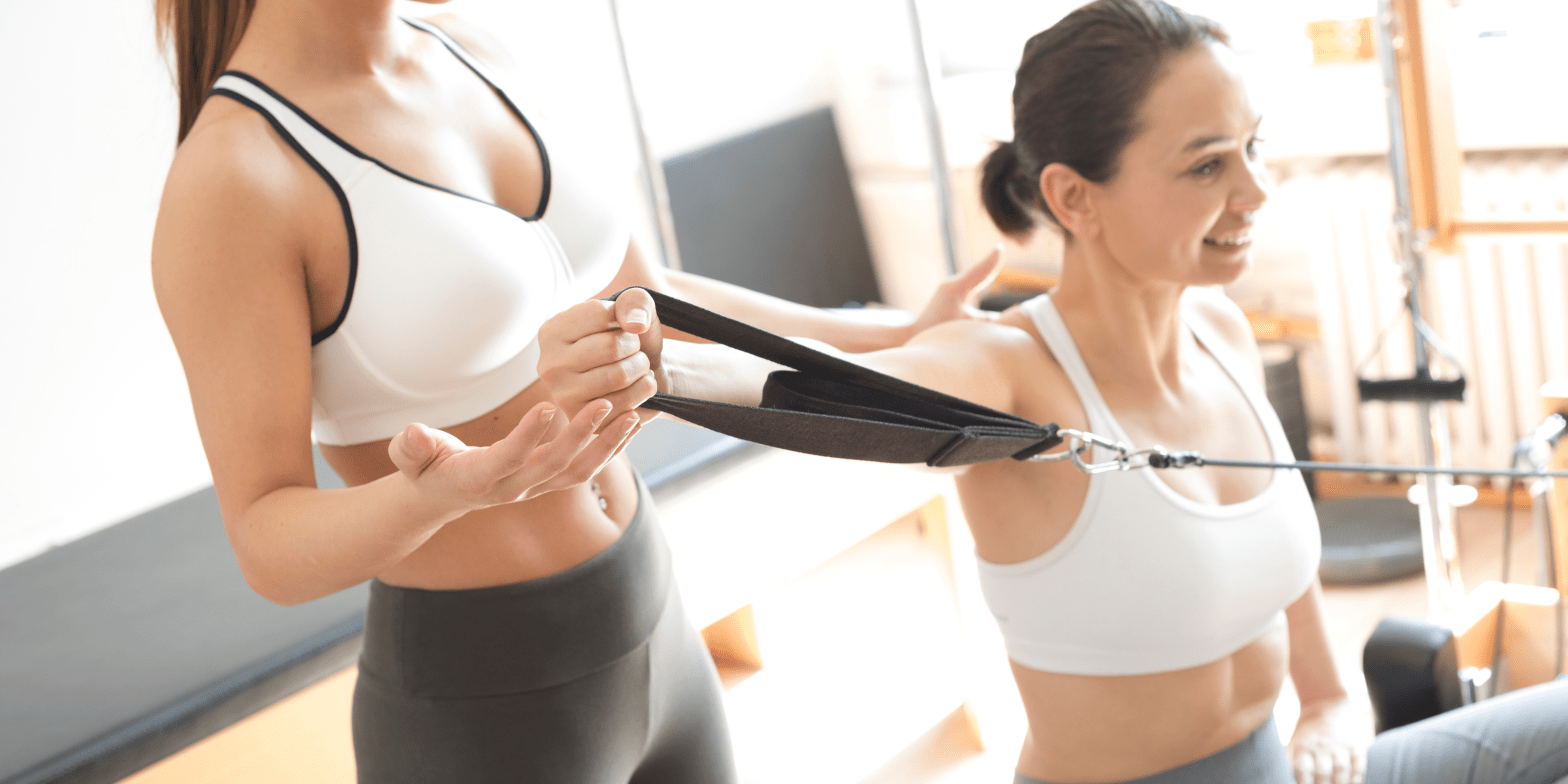
Reformer Pilates takes the practice to a whole new level by incorporating a specialized piece of equipment called the Reformer. This sliding carriage with attached springs offers adjustable resistance, enabling a full-body workout targeting various muscle groups. Reformer classes often provide more challenging and diverse exercises, making it a favorite among intermediate and advanced Pilates enthusiasts.

  1. Cadillac Pilates

The Cadillac, also known as the Trapeze Table, is another versatile piece of Pilates equipment. It features an elevated horizontal bar, springs, and various attachments to perform a wide range of exercises that focus on strength, flexibility, and even some elements of suspension training. Cadillac Pilates classes are especially beneficial for rehabilitation purposes due to the equipment’s versatility and adaptability.

  1. Tower Pilates

Tower Pilates is similar to Reformer Pilates but utilizes the Tower, which is a vertical frame with attached springs and bars. The Tower allows for a variety of exercises that build strength, improve alignment, and challenge stability. This type of Pilates class is an excellent choice for those who want a balanced, full-body workout while benefiting from the support and resistance provided by the equipment.

  1. Chair Pilates

The Wunda Chair, or simply the Chair, is a compact and portable piece of Pilates equipment that provides an intense and targeted workout. Chair Pilates classes focus on challenging the core, legs, and upper body through a variety of seated and standing exercises. This type of class is great for those seeking an efficient and challenging workout that requires minimal space.

  1. Barre Pilates

Barre Pilates is a fusion of Pilates, ballet, and dance-inspired movements. This dynamic class incorporates a ballet barre and bodyweight exercises to sculpt and tone the body, with an emphasis on leg, glute, and core strength. Barre Pilates is suitable for individuals of all fitness levels and can add a fun and graceful twist to your Pilates routine.

With a wide array of Pilates classes to choose from, there’s undoubtedly a perfect fit for everyone. Whether you prefer the simplicity of Mat Pilates, the versatility of Reformer or Tower Pilates, the challenge of Chair Pilates, or the grace of Barre Pilates, each class offers unique benefits to improve strength, flexibility, and body awareness.

As you explore the diverse world of Pilates classes, consider your fitness goals, experience level, and any specific requirements you may have. Regardless of the class you choose, Pilates is a holistic exercise method that not only enhances physical fitness but also promotes mental well-being and a deeper connection with your body. So, step onto the mat, grab hold of the equipment, and embark on a transformative journey with Pilates!

Achieving Full Splits: The Power of Dynamic and Static Stretches

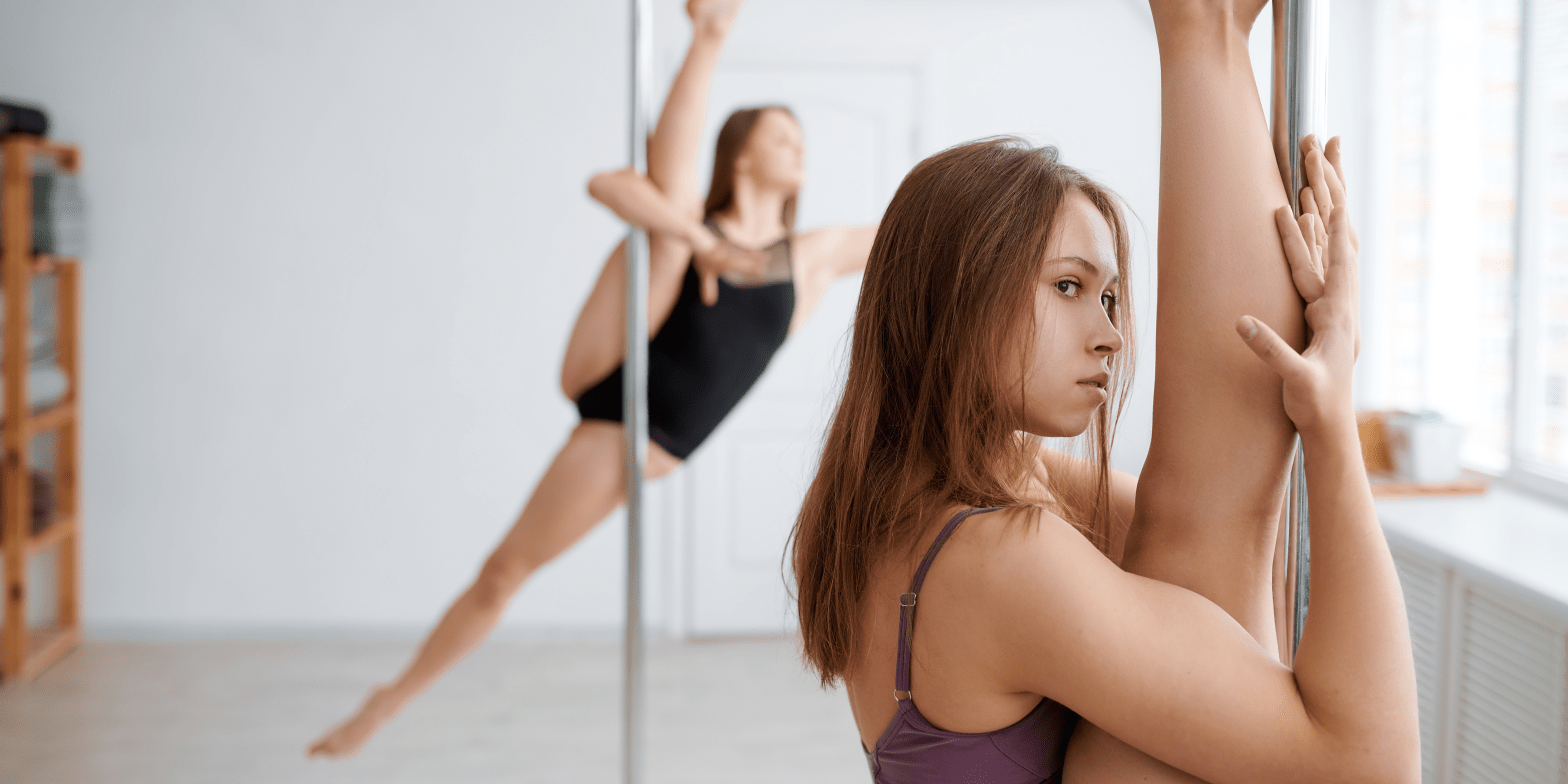
Splits are a mesmerizing display of flexibility and grace that grace the world of pole dancing and fitness. Whether you’re a seasoned pole dancer or a beginner, working toward full splits can be a challenging but incredibly rewarding goal. To get there, it’s crucial to understand the role of dynamic and static stretches in your journey.

Dynamic Stretches: Preparing the Muscles

Dynamic stretches are active movements that take your muscles and joints through a full range of motion. They are ideal for warming up your body and preparing it for more intense stretching. When working towards achieving full splits, dynamic stretches help to increase blood flow, improve flexibility, and reduce the risk of injury. Here are some dynamic stretches to incorporate into your routine:

  1. Leg Swings: Stand near a support, such as a pole or wall, and swing one leg forward and backward. This motion warms up your hamstrings and hip flexors, both essential for splits.
  2. Lunge with Twist: Perform a forward lunge and, while in the lunge position, twist your upper body towards the front leg. This helps open your hips and groin area.
  3. High Knees: March in place while lifting your knees as high as possible. High knees engage your hip flexors and prepare your legs for stretching.
  4. Butt Kicks: Jog in place while kicking your heels up towards your glutes. This dynamic stretch warms up the quadriceps and hamstrings.

Static Stretches: Deepening Flexibility

Once your muscles are warmed up, it’s time to incorporate static stretches, which involve holding a stretched position for a longer duration. Static stretches gradually increase your flexibility and are an essential part of working towards full splits. Here are some static stretches to aid your journey:

  1. Forward Split Stretch: Begin in a kneeling lunge position, with one foot forward and the other extended behind you. Slowly slide your front foot forward while lowering your hips toward the floor. Hold this position for 20-30 seconds and switch sides.
  2. Straddle Stretch: Sit with your legs spread wide apart. Gently lean forward, aiming to touch your chest to the floor. You can also stretch to each side for a deeper groin stretch.
  3. Pike Stretch: Sit with your legs extended straight in front of you. Reach forward toward your toes, keeping your back straight. Hold the stretch for 20-30 seconds.
  4. Deep Hip Flexor Stretch: Kneel on one knee and step the other foot forward. Slowly push your hips forward while keeping your back straight. You should feel a stretch in the front of your hip. Hold for 20-30 seconds on each side.
  5. Butterfly Stretch: Sit with your feet together and your knees bent outward. Gently press your knees toward the floor with your hands. This stretch targets your inner thighs.

Remember to breathe deeply and relax into your static stretches. It’s important to hold each position at the point of mild discomfort, not pain. Over time, as your flexibility improves, you can gradually deepen your stretches.

Consistency is key when working toward full splits. Make stretching a regular part of your pole dance and fitness routine, and you’ll find yourself inching closer to this impressive feat. Always listen to your body and progress at your own pace, and don’t forget to warm up with dynamic stretches before diving into those deep and gratifying static stretches. Your journey to full splits is both a physical and mental one, filled with determination and progress, so enjoy every step of it!

Embracing Authenticity: Releasing Ego in Pole Dancing

Pole dancing is a mesmerizing art form that blends strength, flexibility, and grace. Beyond its physical demands, pole dancing offers a unique opportunity for self-expression and personal growth. However, like any activity, the ego can find its way into your pole dancing journey, impacting your experience and inhibiting your progress. In this blog post, we’ll explore the concept of releasing ego in pole dancing and how it can lead to a more authentic and empowering practice.

Understanding the Role of Ego:

The ego is the part of our self-identity that seeks validation, recognition, and comparison. In the world of pole dancing, ego can manifest as the need to perform advanced tricks for validation or to constantly compare your progress to others. It can lead to self-doubt, frustration, and a focus on external approval rather than personal growth.

Embracing Self-Expression:

Pole dancing is a beautiful way to express yourself creatively, emotionally, and physically. Releasing ego in pole dancing involves shifting the focus from performing for others to expressing yourself authentically. Instead of seeking approval, allow yourself to dance with the intention of connecting with your body, emotions, and the music. Express your unique style and let your movements tell your story.

Tips for Releasing Ego in Pole Dancing:

  1. Practice Self-Compassion: Treat yourself with kindness and patience. Pole dancing is a journey, and progress takes time. Avoid comparing yourself to others and appreciate your individual path.
  2. Set Intentions: Before each pole session, set intentions that align with your personal goals. Focus on what you want to achieve for yourself, whether it’s improving a particular trick, enhancing your flow, or simply enjoying the dance.
  3. Cultivate Mindfulness: Bring mindfulness to your practice by being fully present in each movement. Pay attention to your body’s sensations, the connection with the pole, and the emotions that arise.
  4. Celebrate Small Wins: Instead of fixating on the most challenging tricks, celebrate the small victories. Whether it’s nailing a transition or executing a move more smoothly, each achievement is worth acknowledging.
  5. Experiment with Freestyle: Allow yourself moments of freestyle dancing where you let go of structured routines and let your body guide you. This helps you tap into your authentic expression and creativity.
  6. Dance for Yourself: Dance without an audience in mind. Dance as if no one is watching, and let go of the pressure to impress or perform for others.
  7. Listen to Your Body: Honor your body’s limits and avoid pushing yourself to the point of discomfort. Progressing safely and mindfully is key to a fulfilling pole dancing journey.

Benefits of Releasing Ego in Pole Dancing:

Releasing ego in pole dancing offers numerous benefits beyond the physical aspects. It helps you develop self-confidence, nurture self-love, and cultivate a deeper connection with your body. You’ll experience a sense of liberation and empowerment as you let go of societal expectations and embrace your true self.

In Conclusion:

Pole dancing is a journey of self-discovery, self-expression, and personal growth. By releasing ego and embracing your authenticity, you unlock the full potential of this art form. Dance for the joy of movement, express yourself with honesty, and celebrate your progress as a testament to your dedication and self-love.

Remember, your pole dancing journey is unique to you. Embrace every step, every twirl, and every challenge as part of your authentic dance of life.

Reformer Pilates: A Comprehensive Guide to Understanding This Transformative Practice

Pole-ates Playhouse – Your Hub for Mindful Movement

Pilates, with its focus on strengthening the core, improving flexibility, and enhancing overall well-being, has gained popularity worldwide. Within the realm of Pilates, there’s a specialized apparatus known as the “reformer” that takes the practice to a whole new level. In this blog post, we’ll explore what reformer Pilates is, its benefits, and why it’s becoming increasingly popular.

What Is Reformer Pilates?

A reformer is a specialized piece of equipment used in Pilates that consists of a sliding carriage, adjustable resistance springs, straps, and a padded platform. It was invented by Joseph Pilates himself and is designed to facilitate a wide range of exercises to strengthen, lengthen, and tone the body. Here’s how it works:

  1. Sliding Carriage: The carriage is attached to springs, which can be adjusted to provide resistance. The practitioner lies, sits, or stands on the carriage while performing exercises.
  2. Straps: Straps attached to the carriage are used to hold or manipulate the hands or feet during exercises, providing additional resistance and support.
  3. Padded Platform: The platform provides a stable surface for various exercises and positions.
  4. Spring Resistance: The adjustable springs allow for customization of resistance levels, making reformer Pilates suitable for individuals of all fitness levels.

The Benefits of Reformer Pilates

Reformer Pilates offers a multitude of benefits for both beginners and experienced practitioners:

  1. Full-Body Workout: The reformer facilitates a comprehensive, full-body workout, targeting not only the core but also the arms, legs, back, and shoulders.
  2. Enhanced Flexibility: Through controlled, flowing movements, reformer Pilates improves flexibility and range of motion.
  3. Strength Building: The resistance springs challenge and strengthen muscles, promoting better posture and stability.
  4. Improved Posture: Reformer Pilates encourages awareness of body alignment, helping to correct and maintain proper posture.
  5. Injury Rehabilitation: Many physical therapists and athletes use reformer Pilates as a rehabilitative tool due to its low-impact nature and ability to isolate specific muscle groups.
  6. Mind-Body Connection: Like traditional Pilates, reformer Pilates emphasizes mindfulness and focus, promoting relaxation and stress reduction.
  7. Versatility: The reformer allows for hundreds of exercises, making it suitable for individuals with various fitness goals.

Why Reformer Pilates Is Popular

Reformer Pilates has gained immense popularity for several reasons:

  1. Customized Workouts: The adjustable springs and straps allow for personalized resistance levels and modifications to accommodate individual needs and abilities.
  2. Low Impact: Reformer Pilates is gentle on the joints, making it accessible to people of all ages and fitness levels.
  3. Efficient Workouts: Due to its dynamic nature, reformer Pilates can provide a full-body workout in a shorter amount of time compared to other forms of exercise.
  4. Visible Results: Practitioners often experience visible improvements in posture, strength, and muscle tone, motivating them to continue with their practice.
  5. Mindful Movement: The focus on breath, control, and precision in reformer Pilates promotes a strong mind-body connection, reducing stress and enhancing mental well-being.

Getting Started with Reformer Pilates

To experience the many benefits of reformer Pilates, consider the following steps:

  1. Find a Certified Instructor: Look for a reputable studio or fitness center with certified Pilates instructors who offer reformer classes.
  2. Attend a Beginner’s Class: If you’re new to reformer Pilates, start with a beginner’s class to familiarize yourself with the equipment and basic exercises.
  3. Consult with the Instructor: Communicate your fitness goals and any physical limitations or injuries with your instructor so they can tailor the workouts accordingly.
  4. Consistency is Key: Like any exercise regimen, consistency is key to reaping the full benefits of reformer Pilates. Commit to regular sessions to see progress.

Reformer Pilates is a dynamic and transformative practice that offers numerous physical and mental benefits. Whether you’re seeking improved strength, flexibility, posture, or overall well-being, reformer Pilates can be a rewarding addition to your fitness journey.

Unleash Your Potential with Mobility Drills: Exploring the Benefits

In the world of pole dance and fitness, mobility is a prized asset. The ability to move freely and fluidly not only enhances your pole dance routines but also contributes to overall physical well-being. Mobility drills are a secret weapon for achieving just that. In this blog post, we’ll delve into what mobility drills are and explore the countless benefits they offer for your pole dance journey.

What Are Mobility Drills?

Mobility drills are a series of exercises designed to enhance your range of motion and joint flexibility. They are distinct from traditional static stretching, as they actively engage your muscles and joints through dynamic movements. Mobility drills are versatile and can be tailored to specific areas of the body or adapted to suit various fitness levels.

The Benefits of Mobility Drills:

  1. Enhanced Flexibility: Mobility drills systematically work on increasing your flexibility by targeting tight areas and helping you achieve a broader range of motion. This can be particularly advantageous for pole dancers who often require dynamic and intricate movements.
  2. Improved Joint Health: Regular mobility drills help to maintain healthy joints by preventing stiffness and promoting proper joint alignment. This can reduce the risk of injuries and support longevity in your pole dance journey.
  3. Injury Prevention: Engaging in mobility drills enhances the flexibility and strength of the muscles surrounding your joints. Strong, flexible muscles are more resilient and better equipped to absorb the stress and impact of pole dance movements, reducing the risk of injuries.
  4. Better Performance: Mobility drills can significantly improve your overall performance. Increased range of motion enables you to execute moves with more precision and grace, contributing to a higher level of pole dancing proficiency.
  5. Postural Alignment: Many mobility drills focus on improving posture and alignment. This not only enhances your pole dance aesthetics but also reduces the risk of discomfort or pain due to poor posture.
  6. Core Activation: Mobility drills often involve engaging the core muscles, which are crucial for maintaining balance and stability during pole dance routines.
  7. Body Awareness: Mobility drills encourage a deeper connection between your body and mind. As you engage in these exercises, you’ll become more attuned to the subtle sensations in your body, which can enhance your performance and overall well-being.

Incorporating Mobility Drills Into Your Routine:

  1. Warm-Up: Start your pole dance sessions with a few minutes of mobility drills to prepare your body for movement. Focus on areas that are typically engaged during your routines.
  2. Dedicated Sessions: Set aside specific training sessions solely for mobility drills. This can be particularly effective for addressing areas that need extra attention.
  3. Consistency: Like any aspect of fitness, consistency is key. Aim to incorporate mobility drills into your routine several times a week to experience their full benefits.
  4. Variety: Explore a range of mobility drills that target different areas of your body. Tailor your drills to address your unique needs and challenges.
  5. Professional Guidance: Consider working with a qualified instructor who specializes in mobility training. They can provide expert guidance and create a personalized plan to suit your goals.

Incorporating mobility drills into your pole dance journey is a valuable investment in your physical health and performance. These dynamic exercises not only enhance your flexibility but also improve joint health, prevent injuries, and elevate your overall proficiency. Make mobility drills a regular part of your training regimen, and you’ll unlock your body’s full potential for the most graceful and confident pole dancing experience.

Transforming Your Body: Pilates Tips for Effective Weight Loss

Pilates is a holistic and low-impact exercise method that offers numerous benefits, including improved strength, flexibility, and posture. While it may not be as intense as some other workouts, Pilates can be a valuable tool for weight loss when combined with a balanced diet and lifestyle. In this blog post, we’ll explore how Pilates can aid in weight loss and provide you with effective tips to maximize your results.

1. Consistency is Key: Like any exercise program, consistency is crucial for achieving weight loss through Pilates. Aim to practice Pilates regularly, ideally three to four times a week, to see noticeable results. Consistency helps build muscle, burn calories, and improve overall fitness.

2. Combine Cardio and Pilates: While Pilates offers a range of benefits, it’s not primarily a cardiovascular workout. To boost weight loss, incorporate cardio exercises like brisk walking, jogging, or cycling into your routine. Combining Pilates with cardio helps burn more calories and accelerates fat loss.

3. Focus on Full-Body Workouts: Pilates is known for its focus on core strength, but it’s essential to engage your entire body for weight loss. Choose Pilates routines that involve full-body movements and target multiple muscle groups simultaneously. This maximizes calorie burn and accelerates your metabolism.

4. Include High-Intensity Interval Training (HIIT): To supercharge your Pilates practice for weight loss, consider adding HIIT sessions to your weekly routine. HIIT involves short bursts of intense exercise followed by brief rest periods. Integrating HIIT with Pilates creates an effective fat-burning combination.

5. Mindful Eating Habits: Weight loss is not solely about exercise; diet plays a significant role. Pay attention to your eating habits, focusing on whole, nutritious foods. Portion control and mindful eating can help you manage your calorie intake and complement your Pilates efforts.

6. Stay Hydrated: Proper hydration is essential for weight loss and overall health. Drinking enough water supports digestion, metabolism, and muscle function. It also helps control hunger and prevents overeating.

7. Track Your Progress: Keeping a record of your Pilates sessions, diet, and weight can provide valuable insights into your weight loss journey. Track your progress to stay motivated and make necessary adjustments to your routine.

8. Get Adequate Sleep: Quality sleep is often overlooked in weight loss efforts. Lack of sleep can disrupt hormones that control appetite and lead to overeating. Aim for seven to nine hours of quality sleep each night to support your weight loss goals.

Conclusion: Pilates is a fantastic complement to your weight loss journey, offering a holistic approach to fitness that focuses on strength, flexibility, and overall well-being. By staying consistent, combining Pilates with cardio and HIIT, maintaining mindful eating habits, and paying attention to sleep and hydration, you can maximize the effectiveness of your Pilates practice for weight loss. Remember that sustainable weight loss takes time, so be patient with yourself and celebrate every small achievement along the way. With dedication and these Pilates tips, you’ll be on your way to a healthier and happier you.

Empower Your Gym Journey: 7 Powerful Tips to Boost Confidence

Stepping into the gym can sometimes feel intimidating, especially if you’re new to the fitness scene or trying out new equipment. But fear not, because in this blog post, we’ll explore seven powerful tips to help you increase your confidence at the gym. With these strategies, you’ll walk into the gym with a sense of empowerment, ready to conquer your fitness goals and embrace your inner strength. Let’s dive in!

Plan and Prepare: Set Yourself Up for Success

• Confidence often stems from being prepared. Before heading to the gym, plan your workout routine and familiarize yourself with the equipment and exercises you’ll be doing. Research and create a workout plan that aligns with your goals. Having a clear plan in mind will give you a sense of purpose and confidence as you navigate through your gym session.

Start with What You Know: Build a Strong Foundation

• When stepping into the gym, start with exercises and equipment you feel comfortable with. Begin your workout routine by focusing on exercises that you’re familiar with and enjoy doing. This will help build your confidence and set a positive tone for your gym session. As you gain more experience and confidence, gradually incorporate new exercises and equipment into your routine.

Seek Professional Guidance: Work with a Trainer

• Working with a certified personal trainer can do wonders for your confidence at the gym. A trainer will not only guide you through proper form and technique but also provide support and motivation. They can create a personalized workout plan tailored to your goals and abilities, ensuring that you feel confident and safe during your gym sessions. Investing in a few sessions with a trainer can make a significant difference in your confidence and overall progress.

Focus on Progress, Not Perfection: Embrace Your Journey

• Remember, everyone starts somewhere. Instead of comparing yourself to others, focus on your own progress and personal growth. Celebrate small victories and milestones along your fitness journey. Embrace the process and acknowledge that progress takes time. By shifting your focus to your own accomplishments, you’ll build confidence and maintain a positive mindset.

Dress for Success: Wear Activewear that Makes You Feel Great

• The clothes you wear can significantly impact your confidence at the gym. Invest in activewear that makes you feel comfortable and confident. Choose outfits that you love and that flatter your body. When you feel good in what you’re wearing, it boosts your self-assurance and allows you to focus on your workout rather than self-consciousness. Utilize Headphones and Music: Create Your Motivational Zone Utilize Headphones and Music: Create Your Motivational Zone

Utilize Headphones and Music: Create Your Motivational Zone

• Music has a powerful impact on our mood and mindset. Create a playlist of energizing and empowering songs that pump you up and motivate you during your gym sessions. Put on your headphones and create your own motivational zone. The music will not only provide a boost of confidence but also help you stay focused and in the zone.

Embrace Supportive Community: Surround Yourself with Positivity

• Being part of a supportive community can make a world of difference in boosting your confidence at the gym. Seek out fitness groups or classes where you can connect with like-minded individuals. Surrounding yourself with positive, uplifting people who share similar goals will provide encouragement and support. Building connections and friendships within the fitness community can enhance your confidence and make the gym feel like a welcoming and empowering space.

Increasing your confidence at the gym is a journey that requires patience and self-compassion. By planning and preparing, starting with what you know, seeking professional guidance, and focusing on progress rather than perfection, you’ll build a solid foundation of confidence. Dressing for success, utilizing headphones and music, and embracing a supportive community will further enhance your gym experience. Embrace your inner strength, step into the gym with confidence, and let your fitness journey empower you to achieve greatness.

Keep It Fresh and Functional: Tips for Washing Your Activewear

Activewear is more than just clothing; it’s a vital part of your fitness routine and a reflection of your commitment to a healthy lifestyle. To ensure your activewear stays fresh, comfortable, and long-lasting, proper washing is crucial. In this blog post, we’ll share some essential tips for washing your activewear, whether it’s for pole dance, yoga, or any other physical activity.

1. Read the Care Labels:

Before you start washing your activewear, check the care labels on each garment. These labels provide specific instructions from the manufacturer on how to clean and care for your activewear. Follow these guidelines for the best results.

2. Separate Colors:

Just as you would with your regular laundry, separate your activewear by color. Dark and bright colors should be washed separately from whites or lighter shades to prevent color bleeding and fading.

3. Turn Items Inside Out:

To protect any printed designs or logos and to minimize pilling on the outer fabric, turn your activewear inside out before washing. This precaution helps maintain the aesthetic appeal of your garments.

4. Use a Gentle Detergent:

Opt for a mild, sports-specific detergent or a detergent designed for delicates. Harsh detergents can break down the elasticity of the fabric and reduce its moisture-wicking capabilities over time.

5. Cold Water Wash:

Always use cold water when washing activewear. Hot water can weaken the elasticity and cause the fabric to lose its shape. Set your washing machine to a gentle or delicate cycle.

6. Avoid Fabric Softeners:

Fabric softeners may leave a residue that clogs the fabric’s pores and reduces its moisture-wicking ability. Skip the fabric softener and use a small amount of detergent to maintain the fabric’s performance.

7. Zip Up Zippers and Fasten Hooks:

Before tossing your activewear into the washing machine, ensure that any zippers, hooks, or Velcro closures are fastened to prevent them from snagging on other fabrics.

8. Use a Mesh Laundry Bag:

For extra protection, consider using a mesh laundry bag for your activewear. This prevents it from getting tangled or damaged during the washing cycle.

9. Air Dry Whenever Possible:

Avoid using a dryer for your activewear whenever possible. Heat from the dryer can break down the elastic fibers in the fabric and lead to quicker wear and tear. Instead, hang your activewear to air dry in a well-ventilated area, preferably out of direct sunlight.

10. Treat Stains Promptly:

If you notice any stains on your activewear, address them promptly. Pre-treat stains with a stain remover or a mixture of baking soda and water before washing to increase the chances of complete stain removal.

11. Store Properly:

Once your activewear is clean and dry, fold it neatly and store it in a cool, dry place. Avoid leaving it in direct sunlight or in a damp environment, as both can compromise the fabric’s integrity.

12. Consistency is Key:

Make proper activewear care a part of your routine. By following these guidelines consistently, you can extend the lifespan of your activewear, ensuring that it remains comfortable, functional, and stylish for all your fitness endeavors.

By taking care of your activewear, you not only protect your investment but also ensure that it continues to perform at its best, keeping you comfortable and confident as you pursue your fitness goals.

Unveiling the Mysteries of Pole Dance: Common Questions Answered

Introduction

Pole dance has emerged from the shadows and into the spotlight as an empowering form of artistic expression and physical fitness. However, many people still have questions and misconceptions about this captivating discipline. In this blog post, we’ll address some of the most common questions about pole dance, providing clarity and insight into this dynamic and transformative art form.

1. Is Pole Dance Only for Strippers?

No, pole dance is not exclusive to the world of adult entertainment. While it does have roots in exotic dance, pole dance has evolved into a versatile form of artistic expression and fitness. Many individuals, including athletes, performers, and fitness enthusiasts, practice pole dance for its physical, mental, and emotional benefits.

2. Is Pole Dance Appropriate for All Ages and Body Types?

Yes, pole dance is suitable for individuals of all ages and body types. Many studios offer classes tailored to different fitness levels, including beginners, intermediate, and advanced practitioners. Pole dance celebrates diversity and inclusivity, welcoming participants from all walks of life.

3. Do I Need Prior Dance or Fitness Experience to Start Pole Dance?

No prior dance or fitness experience is required to start pole dance. Pole dance classes are designed to accommodate beginners and gradually progress in difficulty as you gain skills and confidence. Instructors provide guidance and support to ensure a positive and safe learning experience.

4. Will Pole Dance Make Me Stronger?

Absolutely! Pole dance is an excellent full-body workout that builds strength, particularly in the upper body, core, and lower body. As you progress, you’ll notice increased muscle tone, flexibility, and endurance. Pole dance is a fun and effective way to improve overall physical fitness.

5. Is Pole Dance Only About Physical Fitness?

Pole dance offers a holistic approach to wellness. While it provides an excellent physical workout, it also promotes mental and emotional well-being. Many practitioners find that pole dance enhances self-confidence, body positivity, and self-expression. It can be a powerful form of self-care and empowerment.

6. What Kind of Clothing Should I Wear for Pole Dance?

Wear comfortable workout clothing that allows for freedom of movement. Shorts and a sports bra or tank top are ideal, as they provide skin-to-pole contact for better grip. Some dancers choose to wear pole dance-specific attire like pole shorts and leg warmers, but it’s not a requirement.

7. Is Pole Dance Safe?

When practiced under the guidance of a qualified instructor in a reputable studio, pole dance is safe. Instructors prioritize safety and teach proper techniques to minimize the risk of injury. Participants often work in pairs or groups, providing support and spotting during challenging moves.

8. How Long Does It Take to Learn Pole Dance Moves?

The time it takes to learn pole dance moves varies from person to person. It depends on factors such as individual fitness levels, practice frequency, and the complexity of the moves. Most beginners start with basic spins and holds and gradually progress to more advanced tricks and routines.

Conclusion

Pole dance is a vibrant and multifaceted discipline that transcends stereotypes and misconceptions. It offers a supportive and empowering community for individuals of all backgrounds and fitness levels. Whether you’re interested in physical fitness, artistic expression, or personal growth, pole dance has something unique and transformative to offer. If you’ve had questions or hesitations about pole dance, now is the perfect time to explore this captivating and empowering art form.

Pole Dancing at Home: Safety Tips for a Secure and Enjoyable Experience

Practicing pole dance at home offers the convenience of privacy and the freedom to express yourself in your own space. However, it’s crucial to prioritize safety to ensure a secure and enjoyable pole dance experience. In this blog post, we’ll share essential safety tips to help you create a safe environment, prevent injuries, and make the most of your at-home pole dance sessions. Let’s dive into the world of home pole dance with confidence and caution!

• Invest in a Sturdy and Secure Pole:

• The foundation of a safe at-home pole dance practice begins with a high-quality pole that is properly installed. Choose a pole from a reputable brand that is specifically designed for home use. Ensure that it is securely installed according to the manufacturer’s instructions. Check the stability of the pole regularly and tighten any loose parts to maintain its integrity.

• Clear Your Practice Space:

• Create a dedicated and clutter-free area for your pole dance practice. Remove any furniture, sharp objects, or obstacles that may interfere with your movements. Clear a sufficient radius around the pole to allow for safe spins, tricks, and transitions. Consider using padded flooring or crash mats to provide extra cushioning in case of falls or accidental slips.

• Warm Up and Cool Down:

• Prioritize a proper warm-up and cool-down routine before and after your pole dance sessions. Warm-up exercises prepare your muscles and joints for the physical demands of pole dancing, reducing the risk of strains or sprains. Include dynamic stretches, gentle cardio exercises, and mobility drills to increase blood flow and flexibility. Cooling down with static stretches helps prevent muscle soreness and promotes recovery.

• Use Grip Aids:

• Grip aids such as dry hands, grip powders, or grip gloves can improve your grip on the pole, reducing the chance of slipping or losing control during moves. Experiment with different grip aids to find the one that suits you best. However, avoid using grip aids excessively, as they may lead to an over-reliance on them, inhibiting the natural development of grip strength.

• Progress Gradually:

• Pole dance is a progressive journey that requires patience and gradual progression. Avoid attempting advanced moves or tricks before mastering the foundational techniques. Build strength, flexibility, and proper technique through consistent practice and incremental challenges. Seek guidance from certified instructors or online tutorials to ensure proper form and safe progression.

• Listen to Your Body:

• Pay attention to your body’s signals and limitations during your pole dance practice. Respect your body’s boundaries and avoid pushing through pain or discomfort. Pole dance can be physically demanding, so take breaks when needed and allow yourself time to recover. Resting and maintaining good overall health are essential for injury prevention and overall well-being.

• Spotting and Support:

• If possible, practice pole dancing with a partner or have someone present in the room who can act as a spotter. A spotter can provide assistance and support during challenging moves, ensuring your safety and offering an extra layer of protection. They can also help monitor your form and technique, providing valuable feedback.

• Stay Hydrated and Fuel Your Body:

• Proper hydration is vital during any physical activity, including pole dancing. Drink plenty of water before, during, and after your practice sessions to stay hydrated. Additionally, nourish your body with a balanced diet that includes adequate protein, carbohydrates, and healthy fats to support muscle recovery and energy levels.

With the right precautions and a focus on safety, practicing pole dance at home can be a rewarding and empowering experience. By investing in a secure pole, creating a clear practice space, warming up properly, using grip aids appropriately, progressing gradually, listening to your body, having a spotter when possible, and prioritizing hydration and nutrition, you can ensure a safe and enjoyable pole dance journey. Embrace the art, stay mindful of safety, and let your pole dance practice flourish!