Pilates Every Day: Is It Right for You?

Pilates is a transformative exercise system that offers numerous physical and mental benefits. As you immerse yourself in the world of Pilates, you might be curious about how often you should practice. Is daily Pilates a wise choice, or should you allow for rest days? In this blog post, we’ll explore the advantages and considerations of doing Pilates every day and help you determine if it’s the right approach for you.

The Benefits of Daily Pilates:

  1. Consistent Progress: One of the primary advantages of daily Pilates is the opportunity for consistent progress. Regular practice allows you to build upon your foundation, refine your technique, and improve your strength, flexibility, and overall fitness steadily.
  2. Mind-Body Connection: Daily Pilates fosters a deep mind-body connection. It encourages mindfulness, concentration, and control over your movements, which can lead to reduced stress and increased mental clarity.
  3. Enhanced Flexibility: Frequent practice can lead to significant improvements in flexibility. Daily Pilates routines can help increase your range of motion, making it easier to achieve more advanced poses and movements.
  4. Core Strength: Pilates places a strong emphasis on core strength. Regular practice helps to build and maintain a robust core, leading to improved posture and reduced back pain.
  5. Versatility: Pilates is a diverse system that offers a wide range of exercises and variations. Daily practice allows you to explore this diversity and customize your workouts to target specific areas or goals.

Considerations for Daily Pilates:

  1. Listen to Your Body: While daily Pilates can be beneficial, it’s crucial to listen to your body. If you’re feeling fatigued or experiencing discomfort, it’s essential to incorporate rest days or alternate low-impact activities into your routine.
  2. Balanced Workouts: To prevent overuse injuries, it’s advisable to balance your Pilates workouts. Focus on different aspects of the practice, such as strength, flexibility, and balance. Avoid overloading certain muscle groups.
  3. Professional Guidance: If you’re considering daily Pilates, working with a qualified instructor is recommended. They can create a well-rounded routine that meets your goals while ensuring you maintain proper form and avoid injury.
  4. Rest Days: No matter how much you love Pilates, your body needs time to rest and recover. Incorporate one or two rest days per week to allow your muscles and joints to heal and grow stronger.

Is Daily Pilates Right for You?

The decision to do Pilates every day ultimately depends on your goals, your fitness level, and your body’s needs. While daily Pilates can be immensely beneficial for many people, it may not be suitable for everyone. Those new to Pilates might start with 3-4 sessions per week, gradually increasing the frequency as they become more experienced.

Regardless of how often you choose to practice Pilates, the key is to be consistent and attentive to your body’s cues. It’s not just about the quantity of sessions, but the quality, and ensuring that your practice remains safe, enjoyable, and sustainable. If you’re uncertain about your optimal Pilates frequency, consider consulting a certified instructor who can provide personalized guidance on your journey to a healthier and more balanced you.
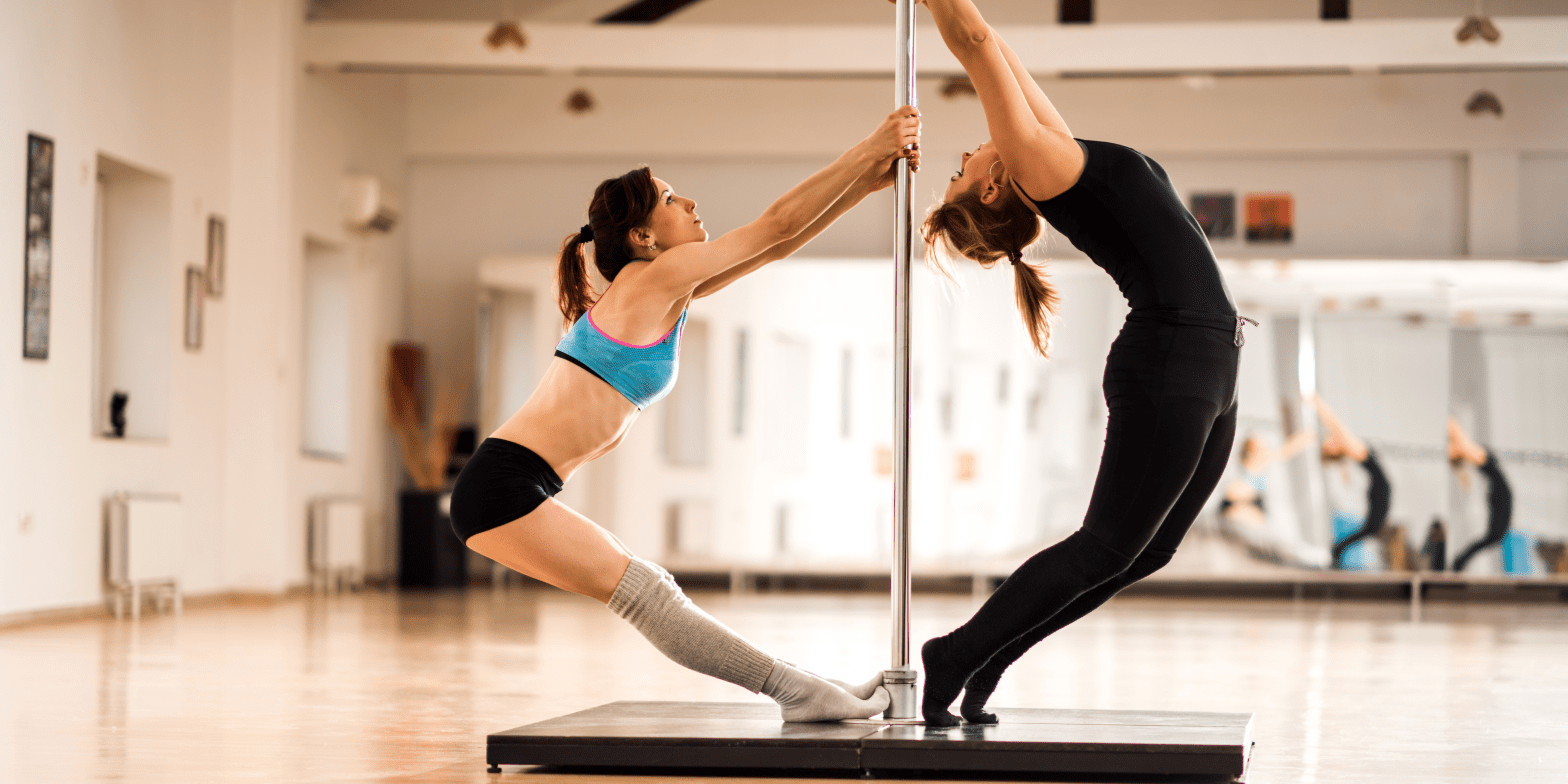
Embarking on a Self-Taught Pole Dance Journey: Tips for Success

Pole dance is a mesmerizing art form that combines strength, grace, and self-expression. While many individuals learn pole dance in studios with the guidance of experienced instructors, it’s entirely possible to teach yourself this captivating discipline at home. In this blog post, we’ll share valuable tips and insights to help you embark on a self-taught pole dance journey successfully.

1. Safety First

Before you even start, safety should be your top priority. Here’s how to ensure a safe practice:

  • Proper Installation: Ensure your pole is securely installed according to the manufacturer’s guidelines. Follow all safety instructions, including weight limits and installation height.
  • Spotter or Crash Mat: Have a spotter, preferably someone experienced in pole dance, with you during challenging moves. Alternatively, use a crash mat to minimize the risk of injury.
  • Warm-Up and Cool-Down: Always warm up your body before practicing and incorporate a thorough cool-down session after each practice to prevent muscle strains and injuries.
  • Proper Attire: Wear appropriate clothing that allows skin contact with the pole for grip. Pole shorts and a sports bra or tank top are common choices.

2. Gather Resources

To teach yourself pole dance effectively, gather the necessary resources:

  • Pole: Invest in a high-quality pole designed for home use. Seek recommendations and ensure it’s compatible with your ceiling height and type.
  • Learning Materials: Access online resources such as instructional videos, tutorials, and written guides. Many professional pole dancers and studios offer online classes that you can follow from home.
  • Mirror: Set up a full-length mirror in your practice area to monitor your form and alignment.

3. Establish a Practice Space

Designate a specific area in your home for pole practice. Ensure it’s clear of obstacles and offers enough space for you to move safely. The space should be well-lit and well-ventilated.

4. Start with the Basics

Begin your self-taught pole dance journey by mastering the basics:

  • Grips and Holds: Learn different hand grips and holds used in pole dance, as these are fundamental for control and stability.
  • Basic Spins: Start with simple spins to get comfortable with the pole’s movement and build confidence.
  • Floorwork: Incorporate floorwork into your practice to add grace and fluidity to your dance.

5. Progress Gradually

As you build strength, flexibility, and skill, gradually progress to more advanced moves. Be patient with yourself and avoid attempting advanced tricks too soon to prevent injuries.

6. Record Yourself

Recording your practice sessions can be incredibly beneficial. It allows you to review your form, pinpoint areas that need improvement, and track your progress over time.

7. Join Online Communities

Connect with the global pole dance community through online forums, social media groups, and platforms like Instagram and TikTok. You can find inspiration, ask questions, and share your journey with like-minded individuals.

8. Seek Feedback

If possible, get feedback from experienced pole dancers or instructors. Share your practice videos or ask questions in online communities to receive constructive feedback and guidance.

9. Stay Consistent and Patient

Consistency is key to mastering pole dance. Dedicate regular practice time to develop your skills and build strength. Be patient with yourself, as progress may be slow at times, but every small achievement is a step forward.

10. Embrace Self-Expression

Pole dance is not just about physical skills; it’s also a form of self-expression. Embrace your unique style and tell your story through your dance.

Conclusion

Teaching yourself pole dance at home is an empowering and rewarding journey. By prioritizing safety, gathering resources, and staying dedicated to practice, you can master this mesmerizing art form at your own pace. Remember that pole dance is not just about the tricks; it’s about embracing your inner strength, self-expression, and personal growth. So, start your pole dance journey with confidence and enjoy the beauty of self-discovery through dance.

Aerial Pole Fitness: Taking Your Pole Dancing to New Heights

Pole fitness is a captivating and empowering form of exercise that combines strength, flexibility, and grace. If you’re looking to take your pole dancing to new heights and add an extra element of excitement and challenge, consider exploring the world of aerial pole fitness. Aerial pole combines the dynamic movements and techniques of pole dance with the aerial arts, creating a fusion that elevates your performance to a whole new level. In this blog post, we’ll delve into the world of aerial pole fitness and discover its benefits, techniques, and the thrill it brings to practitioners.

What is Aerial Pole Fitness?

Aerial pole fitness, also known as pole aerial or pole silks, combines the use of a suspended pole with aerial silks or fabric. The aerial silks are attached to the top of the pole, allowing for a combination of pole tricks and movements with the added challenge of aerial acrobatics. Aerial pole incorporates elements of pole dance, aerial arts, and circus arts, resulting in a unique and visually stunning performance.

Benefits of Aerial Pole Fitness:

  1. Increased Strength and Endurance: Aerial pole fitness requires exceptional upper body and core strength. As you transition between pole moves and aerial silk poses, you engage multiple muscle groups simultaneously, including the arms, shoulders, back, and core. The dynamic and challenging nature of aerial pole builds strength, endurance, and overall body conditioning.
  2. Enhanced Flexibility and Range of Motion: Aerial pole fitness involves a wide range of movements that require flexibility and agility. The combination of pole tricks and aerial silk poses allows for deep stretches and extensions, which can improve overall flexibility and increase range of motion in the joints. Regular practice can lead to increased flexibility in the hamstrings, hips, shoulders, and spine.
  3. Improved Balance and Coordination: Aerial pole fitness challenges your balance and coordination as you navigate between the pole and the silks. Balancing on the pole while performing intricate movements in the air requires focus, precision, and body awareness. Over time, you’ll develop better balance, coordination, and a heightened sense of proprioception.
  4. Artistic Expression and Creativity: Aerial pole fitness is a platform for artistic expression and creativity. Combining the fluidity and sensuality of pole dance with the grace and aerial acrobatics of silk poses allows you to create captivating and visually stunning performances. You can experiment with unique transitions, dynamic shapes, and intricate sequences to express your personal style and tell a story through movement.

Getting Started with Aerial Pole Fitness:

  1. Build a Strong Foundation: Before diving into aerial pole fitness, it’s essential to have a solid foundation in pole dance. Master the fundamental pole moves, spins, and climbs before transitioning to aerial pole. Familiarize yourself with aerial silk techniques and poses as well.
  2. Find a Qualified Instructor: Aerial pole fitness requires specialized training and safety considerations. It’s crucial to learn from a qualified and experienced aerial pole instructor who can guide you through proper techniques and spotting. Look for certified aerial instructors or studios that offer aerial pole classes.
  3. Take It Step by Step: Start with beginner-level aerial pole classes to become comfortable with the added challenges of the silks. Focus on building strength, flexibility, and aerial awareness gradually. Progress to more advanced classes as you gain confidence and proficiency in aerial pole techniques.
  4. Use Proper Equipment: Ensure that the aerial pole and silks are set up correctly and securely before each practice session. Check the integrity of the equipment and follow safety guidelines. It’s important to use crash mats and spotter assistance, especially when attempting advanced or inverted aerial pole moves.
  5. Practice Mindful Progression: Aerial pole fitness requires patience and mindful progression. Listen to your body, respect your limits, and progress at your own pace. Focus on proper form, technique, and alignment to minimize the risk of injuries. Regularly warm up and cool down to prepare your body and aid recovery.

Conclusion:

Aerial pole fitness combines the dynamic movements and techniques of pole dance with the aerial artistry of silk poses, resulting in a thrilling and visually captivating experience. By incorporating aerial elements into your pole dancing, you’ll challenge yourself physically, artistically, and mentally. Enjoy the benefits of increased strength, flexibility, balance, and coordination as you take your pole dancing to new heights with the exhilarating art of aerial pole fitness.

What Is Exotic Pole Dance? Unveiling the Artistry and Sensuality of Pole Fitness

Pole-ates Playhouse – Your Hub for Mindful Movement

Pole dancing has evolved into a multifaceted art form that extends beyond fitness alone. One of its captivating facets is exotic pole dance, a style celebrated for its sensuality, creativity, and empowering expression. In this blog post, we’ll unveil the artistry behind exotic pole dance and explore what makes it a unique and liberating form of movement.

The Essence of Exotic Pole Dance

Exotic pole dance is a fusion of dance, acrobatics, and sensuality that takes traditional pole fitness to an entirely new level. Here’s what sets exotic pole dance apart:

1. Sensual Expression: Exotic pole dance embraces sensuality as a fundamental aspect of the practice. Dancers use fluid movements, body waves, and alluring transitions to convey emotion and tell a captivating story through their dance.

2. Heels and Attire: Heeled shoes and exotic attire, such as lingerie-inspired outfits, are often worn in exotic pole dance. These elements add to the overall aesthetics and contribute to the unique style of the dance.

3. Floorwork: While traditional pole fitness primarily focuses on aerial tricks and spins, exotic pole dance incorporates extensive floorwork. Dancers gracefully move on and around the pole, showcasing their flexibility and strength.

4. Storytelling: Exotic pole dance often involves storytelling through movement. Dancers may use props, themes, or emotions to create a narrative within their routine, captivating the audience with their performance.

5. Confidence and Empowerment: Exotic pole dance fosters confidence and body positivity. Dancers embrace their individuality, celebrate their bodies, and challenge societal norms around sensuality and self-expression.

The Benefits of Exotic Pole Dance

Beyond its sensuality, exotic pole dance offers a range of benefits:

1. Total Body Workout: Exotic pole dance engages multiple muscle groups, providing a full-body workout that enhances strength, flexibility, and endurance.

2. Improved Confidence: Embracing sensuality and self-expression can boost self-confidence, promoting a positive self-image.

3. Artistic Expression: Exotic pole dance is a form of artistic expression that allows dancers to explore their creativity and emotions through movement.

4. Empowerment: Many practitioners of exotic pole dance report feeling empowered as they break free from societal expectations and embrace their sensuality on their own terms.

5. Inclusivity: Exotic pole dance celebrates diversity and welcomes individuals of all shapes, sizes, genders, and backgrounds.

Getting Started with Exotic Pole Dance

If you’re intrigued by exotic pole dance and considering giving it a try, here are some steps to get started:

1. Find a Reputable Studio: Look for a pole dance studio that offers exotic pole dance classes. Ensure they provide a safe and inclusive environment for all dancers.

2. Dress Comfortably: Wear comfortable workout attire that allows for freedom of movement. If you’re comfortable, you can gradually introduce exotic attire and heels as you progress.

3. Embrace Learning: Be open to learning and exploring sensuality through movement. Remember that it’s okay to start at your own pace and gradually build confidence.

4. Connect with the Community: Joining a pole dance community can provide support, encouragement, and inspiration as you embark on your exotic pole dance journey.

Exotic pole dance is a beautiful fusion of sensuality, artistry, and fitness. It offers dancers a unique opportunity to express themselves, build confidence, and celebrate their bodies while enjoying a challenging and empowering workout. Whether you’re drawn to the sensuality of exotic pole dance or intrigued by its artistic expression, it’s a form of movement that welcomes and empowers all who choose to explore it.

The Science of Movement: Exploring Biomechanics in Pole and Pilates

The art of pole dancing and the discipline of Pilates are not just forms of exercise; they’re intricate dances with biomechanics—a fascinating interplay between the human body and movement mechanics. Understanding biomechanics is like unraveling the secrets behind graceful spins, powerful poses, and fluid transitions. In this blog post, we’ll delve into the science of movement by exploring biomechanics in the context of pole dancing and Pilates. By understanding how our bodies function and interact with these activities, we can enhance performance, prevent injuries, and deepen our appreciation for these dynamic practices.

The Essence of Biomechanics

Biomechanics is the study of how living organisms move, from the mechanical principles underlying motion to the physiological responses of the body. In the realm of pole dancing and Pilates, biomechanics reveals the mechanics behind every graceful sway and controlled stretch. It’s the science that connects muscle contractions, joint movements, and postural alignment to the beauty of movement.

Biomechanics in Pole Dancing

  1. Centrifugal Force and Angular Momentum: In pole dancing, spins are a captivating spectacle. Biomechanics explains that as you spin around the pole, your body’s centrifugal force and angular momentum create the sensation of floating. Understanding these principles can help dancers maintain balance and control throughout the spin.
  2. Grip and Friction: A strong grip is essential for pole dancing, and biomechanics plays a role in how friction between your skin and the pole enables you to maintain a secure hold. By optimizing grip pressure and positioning, dancers can execute even the most complex tricks with confidence.
  3. Leverage and Torque: Biomechanics elucidates how leverage and torque affect pole dance movements. By leveraging your body against the pole and applying torque through controlled muscle activation, you can create stability for inversions and hold poses that defy gravity.

Biomechanics in Pilates

  1. Core Engagement: Pilates places significant emphasis on core engagement. Biomechanics explains how activating the deep muscles of the core stabilizes the spine, maintains alignment, and enhances overall control during exercises.
  2. Joint Mobility and Flexibility: Biomechanics reveals how Pilates movements, such as controlled stretches and articulations, improve joint mobility. By understanding the range of motion and joint angles, practitioners can target specific muscle groups effectively.
  3. Postural Alignment: Pilates emphasizes proper posture and alignment. Biomechanics demonstrates how aligning the body’s segments optimally distributes forces, reducing strain on joints and preventing injuries.
  4. Muscle Balance: Pilates aims to achieve muscle balance by targeting both primary and stabilizing muscles. Biomechanics guides instructors and practitioners in designing exercises that counteract muscle imbalances and promote functional movement patterns.

Applying Biomechanics for Better Performance

  1. Mindful Movement: Understanding biomechanics fosters mindful movement. By being conscious of joint mechanics and muscle activation, pole dancers and Pilates practitioners can execute movements with precision and reduced risk of injury.
  2. Injury Prevention: Biomechanics offers insights into movement patterns that can strain joints or muscles. Armed with this knowledge, individuals can modify techniques, adjust alignment, or seek guidance from instructors to prevent injuries.
  3. Progressive Training: Biomechanics guides gradual progression. Whether in pole dancing or Pilates, knowing the mechanics of advanced movements helps practitioners build a solid foundation before attempting complex maneuvers.

The fusion of science and movement enriches our understanding of pole dancing and Pilates. Biomechanics provides the knowledge needed to optimize performance, cultivate safety, and deepen our connection with our bodies. By embracing the science of movement, we unveil the grace and precision beneath each twirl and stretch, transforming our practice into a harmonious blend of art and science. As you embark on your pole dancing and Pilates journey, remember that biomechanics is your guide to unlocking the secrets of the human body’s intricate dance with movement mechanics.

Aerial Silks: A Stunning Journey into the World of Aerial Arts

Pole-ates Playhouse – Your Hub for Mindful Movement

Aerial silks, also known as aerial fabric or tissue, is a mesmerizing form of aerial artistry that has captivated audiences around the world. It combines elements of dance, acrobatics, and grace to create stunning performances that seem to defy gravity. In this blog post, we’ll take you on a journey into the enchanting world of aerial silks.

What Are Aerial Silks?

Aerial silks consist of long, flowing pieces of fabric that hang from a rigging point. Performers use their strength, flexibility, and creativity to climb, twist, and wrap themselves in the fabric to create breathtaking routines in the air. Aerial silks demand both physical prowess and artistic expression, making it a dynamic and visually captivating art form.

The Beauty of Aerial Silks

  1. Strength and Grace: Aerial silks require a remarkable level of physical strength, particularly in the core, arms, and upper body. Performers must also exhibit grace and fluidity in their movements to create a seamless performance.
  2. Creativity: Aerial silk routines are a canvas for artistic expression. Performers can choreograph routines that convey a wide range of emotions and stories, making each performance unique and captivating.
  3. Mind-Body Connection: Aerial silks demand a strong mind-body connection. Performers must be in tune with their bodies to execute moves safely and gracefully.

Getting Started with Aerial Silks

If you’re intrigued by the world of aerial silks, here are some steps to get started:

  1. Find a Reputable Studio: Look for a local studio that offers aerial silks classes. Ensure the studio has certified instructors and safety measures in place.
  2. Start with Basics: Beginners typically begin with foundational moves and conditioning exercises to build strength and flexibility.
  3. Safety First: Safety is paramount in aerial silks. Always listen to your instructor’s guidance and use crash mats and proper equipment.
  4. Consistency is Key: Progress in aerial silks takes time and practice. Be patient and consistent in your training.

Benefits of Aerial Silks

Apart from the sheer thrill and beauty of aerial silks, practicing this art form offers several benefits:

  1. Full-Body Workout: Aerial silks engage multiple muscle groups, providing an excellent full-body workout.
  2. Improved Flexibility: Regular practice can enhance flexibility and range of motion.
  3. Enhanced Confidence: Mastering challenging moves and performing in the air can boost self-confidence.
  4. Stress Relief: Aerial arts provide a creative outlet and a break from the stresses of everyday life.
  5. Artistic Expression: Aerial silks allow you to express yourself artistically and tell stories through movement.

Safety Considerations

Safety is paramount in aerial silks. Always:

  • Train under the supervision of a certified instructor.
  • Use proper equipment and rigging.
  • Warm up and cool down properly.
  • Listen to your body and avoid overexertion.
  • Perform aerial tricks at your skill level.

In Conclusion

Aerial silks offer a captivating blend of strength, grace, and artistic expression. Whether you aspire to become a performer or simply want to enjoy the physical and mental benefits of this art form, aerial silks is a stunning journey that will take you to new heights, both literally and figuratively.

Elevate Your Pole Showcase: Five Creative Prop Ideas to Captivate Your Audience

A pole showcase is not just a performance; it’s a canvas for self-expression, strength, and artistry. To create a truly captivating and memorable pole routine, consider incorporating props that add an extra layer of intrigue and elegance to your performance. In this blog post, we’ll explore five imaginative prop ideas that can elevate your pole showcase, leaving your audience spellbound and applauding for more.

1. Silk Scarves

Concept: Incorporate flowing silk scarves into your pole routine to create mesmerizing visual effects as you move and spin around the pole.

Execution: Attach silk scarves to the top of the pole and let them drape down. As you perform spins and tricks, the scarves will billow around you, adding a touch of grace and ethereal beauty to your routine.

Effect: The silk scarves add a dynamic and dreamlike quality to your performance, enhancing the elegance and fluidity of your movements.

2. LED Lights

Concept: Illuminate your pole routine with strategically placed LED lights that change colors and patterns in sync with your movements.

Execution: Attach LED lights to the pole or your costume, creating a dazzling interplay of light and shadow as you perform spins, inversions, and transitions.

Effect: The LED lights add a futuristic and visually stunning element to your routine, enhancing the overall atmosphere and captivating your audience’s attention.

3. Feathers

Concept: Embrace a touch of glamour by incorporating feathers that elegantly float around you as you move on the pole.

Execution: Attach feathers to your costume or to the pole itself. As you perform, the feathers will create a soft and enchanting effect, amplifying the sensuality of your routine.

Effect: The feathers add a hint of theatricality and opulence to your performance, enhancing the storytelling aspect of your showcase.

4. Hand Fans

Concept: Integrate hand fans into your routine to accentuate your movements and transitions with flair.

Execution: As you perform spins and tricks, manipulate hand fans to create dynamic shapes and movements that complement your choreography.

Effect: The hand fans add an element of sophistication and artistry, allowing you to punctuate your routine with dramatic pauses and eye-catching visuals.

5. Ribbon Streamers

Concept: Elevate your pole routine with colorful ribbon streamers that add a dynamic and vibrant element to your performance.

Execution: Attach ribbon streamers to the pole or to your hands. As you spin and move, the ribbon streamers will create a mesmerizing visual display of motion.

Effect: The ribbon streamers infuse your routine with a sense of energy and excitement, turning your performance into a kinetic work of art.

Incorporating props into your pole showcase can transform your performance into a truly immersive experience for both you and your audience. From flowing silk scarves to mesmerizing LED lights, these prop ideas allow you to express your unique style, tell a compelling story, and create an unforgettable visual spectacle. Remember to practice with the props to ensure seamless integration into your routine, and let your creativity soar as you take the stage with newfound enchantment and charm.

Is Pilates Safe for Injuries?

Pole-ates Playhouse – Your Hub for Mindful Movement

Pilates is renowned for its focus on core strength, flexibility, and mind-body connection. It’s a versatile form of exercise that appeals to people of various fitness levels and backgrounds. But if you have a pre-existing injury or medical condition, you might be wondering if Pilates is safe for you. In this blog post, we’ll explore the safety aspects of Pilates and how it can be adapted to accommodate individuals with injuries.

Understanding the Basics of Pilates Safety

Before we delve into the specifics of Pilates and injuries, let’s cover some fundamental principles of safety in Pilates practice:

1. Certified Instructors: Choosing a certified Pilates instructor is crucial. They have the knowledge and expertise to modify exercises to suit your needs and ensure proper alignment.

2. Open Communication: Always communicate openly with your instructor about your injuries, limitations, and any pain or discomfort you experience during the session. Your instructor can provide alternatives or adjustments.

3. Mindful Movement: Pilates emphasizes mindful movement and control. This focus on precision and awareness can help prevent injuries by promoting proper form and technique.

4. Gradual Progression: Pilates instructors are trained to guide you through a progressive series of exercises. They’ll ensure that you don’t push too hard, too soon, which is essential for injury prevention.

5. Personalization: Pilates can be personalized to your fitness level and any physical limitations you may have. Your instructor will adapt exercises to suit your needs.

Pilates and Injury Management

Now, let’s explore how Pilates can be safe and beneficial for individuals with injuries:

1. Low Impact: Pilates is a low-impact form of exercise, which means it places minimal stress on the joints. This makes it a suitable option for people with conditions like arthritis or joint injuries.

2. Core Strength: Many Pilates exercises focus on core strength, which can help alleviate back pain and improve posture—beneficial for individuals with lower back issues.

3. Rehabilitation: Pilates is often used as part of physical therapy and injury rehabilitation programs. It can aid in regaining strength, flexibility, and range of motion after an injury or surgery.

4. Individualized Workouts: Certified Pilates instructors can tailor workouts to accommodate specific injuries or conditions. For example, they can modify exercises to avoid putting pressure on a particular area.

5. Improved Alignment: Pilates promotes proper body alignment, which can be especially beneficial for individuals with conditions like scoliosis or chronic neck pain.

Pilates Safety Tips for Specific Injuries

While Pilates can generally be safe for many injuries, here are some safety tips for specific conditions:

  • Back Pain: Focus on exercises that strengthen the core and improve posture, but avoid movements that excessively arch the back.
  • Knee Injuries: Use knee support and perform seated or reclining exercises to minimize strain on the knees.
  • Neck Issues: Choose exercises that don’t require neck flexion or extension. Keep the neck in a neutral position during exercises.
  • Shoulder Injuries: Inform your instructor about shoulder issues, and they can modify exercises to avoid strain.
  • Pregnancy: Prenatal Pilates can be safe and beneficial but should be done under the guidance of a certified instructor trained in prenatal Pilates.

Pilates can indeed be safe for injuries when practiced mindfully and under the guidance of a certified instructor. It’s a versatile form of exercise that can aid in rehabilitation, improve core strength, and enhance flexibility. If you have specific injuries or medical conditions, consult with your healthcare provider and a certified Pilates instructor to create a safe and effective workout plan tailored to your needs.

The Power of Pilates: Unveiling Its Incredible Benefits

In recent years, fitness enthusiasts and health-conscious individuals have been gravitating towards Pilates, a form of exercise that has gained popularity for its holistic approach to fitness. Developed by Joseph Pilates in the early 20th century, Pilates focuses on strengthening the body’s core muscles, enhancing flexibility, and promoting overall well-being. In this blog post, we will delve into the myriad benefits of Pilates, exploring how it can transform not just your physical health but also your mental and emotional well-being.

1. A Strong and Stable Core

At the heart of Pilates lies the emphasis on the core muscles, including the abdominals, back, and pelvic floor. Through a series of controlled and precise movements, Pilates targets these deep core muscles, leading to improved stability and strength. A strong core not only enhances posture but also reduces the risk of injury in daily activities and other workouts.

  1. Improved Flexibility

Flexibility is a crucial component of fitness that is often overlooked. Pilates exercises involve elongating and stretching various muscle groups, promoting flexibility and increasing the range of motion in joints. With enhanced flexibility, you’ll experience improved athletic performance, reduced muscle soreness, and a decreased likelihood of muscle strains.

  1. Enhanced Posture

In today’s sedentary lifestyle, poor posture has become a common concern. Pilates actively addresses this issue by focusing on spinal alignment and body awareness. By engaging the core muscles and promoting proper alignment, Pilates helps to correct postural imbalances, resulting in a taller, more confident stance.

  1. Low-Impact, Safe Exercise

One of the significant advantages of Pilates is its low-impact nature, making it suitable for people of all ages and fitness levels. Unlike high-impact exercises that may strain joints, Pilates is gentle on the body while still offering an effective full-body workout. This makes it an ideal option for those recovering from injuries or seeking a safe exercise routine during pregnancy.

  1. Stress Relief and Mind-Body Connection

Pilates places great emphasis on the mind-body connection, encouraging practitioners to focus on their breath and movement precision. The deliberate and flowing movements help quiet the mind, reduce stress, and promote relaxation. Regular Pilates practice can serve as an excellent form of mindfulness and meditation, helping to alleviate anxiety and improve mental well-being.

  1. Increased Muscle Strength

While Pilates is renowned for its core-strengthening benefits, it also targets other major muscle groups, including the legs, arms, and glutes. Through resistance exercises using body weight or specialized equipment like the Pilates reformer, you can achieve toned and lean muscles without adding bulk.

  1. Better Balance and Coordination

The controlled movements and focus on stability in Pilates contribute to improved balance and coordination. This aspect is particularly beneficial for older adults, as it can help reduce the risk of falls and improve overall functional fitness.

  1. Rehabilitation and Injury Prevention

Pilates has gained recognition in the field of physical therapy and rehabilitation due to its gentle yet effective approach to healing and strengthening injured muscles. It aids in the recovery process and provides a preventive measure against future injuries by promoting balanced muscle development and increased flexibility.

Pilates is more than just a fitness trend; it is a comprehensive approach to overall health and well-being. From strengthening the core to improving flexibility, promoting better posture, and alleviating stress, the benefits of Pilates are boundless. Whether you are an athlete, a fitness enthusiast, or someone seeking to improve their physical and mental health, incorporating Pilates into your routine can bring about transformative results. Embrace the power of Pilates and embark on a journey of self-discovery, strength, and harmony.

Pilates Unveiled: Common Questions Answered

Pilates is a popular fitness method known for its emphasis on core strength, flexibility, and overall body awareness. If you’re new to Pilates or considering giving it a try, you may have some questions about this holistic exercise system. In this blog post, we’ll answer common questions about Pilates to help you gain a better understanding of this transformative practice.

1. What is Pilates, and What Are Its Origins?

Pilates is a system of exercises developed by Joseph Pilates in the early 20th century. It combines elements of strength training, flexibility, and body awareness to improve physical and mental well-being. Pilates was initially used for rehabilitation and later gained popularity as a fitness method.

2. Is Pilates Suitable for All Ages and Fitness Levels?

Yes, Pilates is highly adaptable and suitable for individuals of all ages and fitness levels. Classes are often categorized by skill levels, ranging from beginner to advanced. Whether you’re a seasoned athlete or new to exercise, there’s a Pilates class tailored to your needs.

3. What Are the Benefits of Practicing Pilates?

Pilates offers a wide range of benefits, including:

  • Improved core strength and stability
  • Increased flexibility and mobility
  • Better posture and body alignment
  • Enhanced muscle tone and endurance
  • Reduced risk of injury through improved body awareness
  • Stress reduction and improved mental focus
  • Enhanced overall well-being and body confidence

4. Do I Need Special Equipment for Pilates?

Pilates can be practiced with minimal equipment, such as a mat, resistance bands, and small props like stability balls or Pilates rings. While some Pilates studios offer classes that incorporate specialized equipment like reformers, Cadillac machines, or barrels, these are not required for a fulfilling Pilates practice. Many practitioners start with mat Pilates, which requires no equipment other than a comfortable mat.

5. What Can I Expect in a Pilates Class?

In a typical Pilates class, you can expect:

  • A warm-up to prepare your body for exercise
  • A series of controlled movements that target different muscle groups
  • Emphasis on proper form, alignment, and breathing
  • Progression from foundational exercises to more advanced movements
  • A cool-down and stretching session to promote flexibility and relaxation

6. Will Pilates Help Me Lose Weight?

While Pilates can contribute to weight management and body composition improvements, it is not primarily a weight loss-focused exercise. Pilates is more about building strength, flexibility, and overall well-being. Combining Pilates with a balanced diet and cardiovascular exercise may aid in weight loss efforts.

7. How Long Does It Take to See Results from Pilates?

The time it takes to see results from Pilates varies depending on factors such as frequency of practice, individual goals, and consistency. Some people report feeling improvements in flexibility, posture, and overall well-being within weeks, while others may take several months to notice significant changes in strength and muscle tone.

Conclusion

Pilates is a versatile and accessible exercise method that offers numerous physical and mental benefits. It can be adapted to meet the needs of individuals at various fitness levels and stages of life. Whether you’re seeking to improve your physical fitness, reduce stress, or enhance your overall well-being, Pilates can be a valuable addition to your fitness routine. With regular practice and dedication, you’ll discover the transformative power of Pilates in your own journey toward better health.