Is Pilates Hard? Exploring the Challenge and Rewards of Pilates Practice

Pole-ates Playhouse – Your Hub for Mindful Movement

Pilates, often praised for its numerous benefits, has gained popularity in recent years as a holistic approach to physical fitness. If you’re new to Pilates or considering starting, you might wonder, “Is Pilates hard?” In this blog post, we’ll explore the level of challenge that Pilates offers and the rewards that come with it.

Understanding the Challenge of Pilates

Pilates is a form of exercise that combines strength, flexibility, and mindfulness. The level of difficulty in Pilates can vary based on several factors:

1. Experience Level: Pilates can be as easy or as challenging as you make it. Beginners often start with foundational exercises that focus on building core strength and body awareness. As you progress and become more familiar with the movements, you can take on more advanced exercises that require greater strength and control.

2. Exercise Selection: Pilates offers a wide range of exercises, from basic to advanced. Some exercises may feel easier while others are more challenging, depending on your body’s strengths and weaknesses.

3. Personal Goals: The intensity of your Pilates workout can be tailored to your personal fitness goals. Whether you aim to tone your muscles, improve flexibility, or enhance core strength, Pilates can be customized to align with your objectives.

4. Instructor Guidance: A certified Pilates instructor can guide you through exercises with proper form and technique. They’ll challenge you at the right level, ensuring that your workouts are safe and effective.

5. Mindfulness: Pilates places a strong emphasis on mindfulness and control. The challenge lies not only in the physical execution of movements but also in maintaining focus, breath control, and precision.

The Rewards of Pilates

While Pilates can present challenges, the rewards of a consistent practice are numerous:

1. Core Strength: Pilates is renowned for its ability to strengthen the core muscles, including the deep stabilizing muscles. A strong core supports good posture and helps prevent back pain.

2. Improved Flexibility: Regular Pilates practice can lead to increased flexibility and better range of motion in the joints, making daily movements more comfortable.

3. Better Posture: Pilates promotes body awareness and alignment, which can lead to improved posture and reduced strain on the spine.

4. Mind-Body Connection: Pilates encourages a strong mind-body connection. It promotes relaxation, stress reduction, and enhanced concentration.

5. Balance and Coordination: Many Pilates exercises require balance and coordination, helping to improve overall stability.

6. Injury Prevention: By strengthening muscles and improving flexibility, Pilates can reduce the risk of injury in daily life and other physical activities.

7. Versatility: Pilates can be adapted to various fitness levels and goals, making it suitable for people of all ages and backgrounds.

Is Pilates Hard for Beginners?

Pilates can be challenging for beginners, but it’s important to remember that everyone starts somewhere. As with any form of exercise, consistency and practice lead to improvement. It’s normal to feel challenged initially, but the sense of accomplishment that comes with mastering new movements is incredibly rewarding.

In Conclusion

The level of difficulty in Pilates varies from person to person and can be adjusted based on individual goals and experience. While Pilates may present challenges, the rewards in terms of improved strength, flexibility, posture, and overall well-being are well worth the effort. Whether you’re new to Pilates or a seasoned practitioner, the practice can be as hard or as gentle as you make it, making it a valuable addition to your fitness journey.

Elevate Your Pole Dance Practice: 4 Tips for Intermediate Students

Congratulations! You’ve moved beyond the basics and have reached the intermediate level in your pole dance journey. As an intermediate pole dancer, you’re ready to take your skills to the next level and explore more advanced moves and routines. In this blog post, we’ll share four valuable tips to help you elevate your pole dance practice and continue to grow as a dancer.

1. Seek Out Advanced Instruction: As an intermediate student, it’s time to challenge yourself with more complex moves and choreography. Look for advanced pole dance classes or workshops in your area or online. Experienced instructors can guide you through intricate combinations and techniques, ensuring you progress safely and effectively.

2. Focus on Strength and Flexibility: Building strength and flexibility is crucial for mastering advanced pole dance moves. Incorporate targeted strength training exercises into your routine to enhance your upper body, core, and lower body strength. Additionally, practice regular stretching to improve your flexibility, which will allow you to execute more graceful and demanding poses.

3. Perfect Your Spin Technique: Spinning is a fundamental aspect of pole dance, and as an intermediate student, you can refine your spinning technique. Work on your balance, posture, and control during spins. Experiment with various spin combinations and learn how to switch directions seamlessly. A polished spinning technique will add flair to your routines.

4. Develop Your Personal Style: Now that you have a solid foundation, it’s time to develop your personal style as a pole dancer. Explore different genres of dance, such as contemporary, lyrical, or exotic, to find what resonates with you. Incorporate unique movements and transitions into your routines to showcase your individuality and creativity.

Bonus Tip: Practice, Practice, Practice: Consistent practice is key to progressing as an intermediate pole dancer. Dedicate regular practice sessions to work on both your strengths and weaknesses. Set specific goals for yourself, whether it’s mastering a challenging move or creating a mesmerizing routine, and track your progress.

Conclusion: Transitioning from a beginner to an intermediate pole dancer is an exciting phase in your journey. By seeking advanced instruction, focusing on strength and flexibility, perfecting your spin technique, and developing your personal style, you’ll continue to grow as a dancer and unlock a world of possibilities on the pole. Remember that patience and perseverance are your allies in this journey, and with dedication, you’ll continue to level up your pole dance practice and achieve new heights of skill and artistry.

Finding Balance: The Crucial Role of Rest for Pole Dancers During the Holiday Season

The holiday season is often a time of joyful celebrations, spending time with loved ones, and indulging in festive treats. However, for pole dancers who are dedicated to their training, it’s also essential to recognize the significance of prioritizing rest during this period. While the urge to keep pushing might be strong, understanding the role of rest in your pole dancing journey is crucial for maintaining both physical and mental well-being. In this blog post, we’ll delve into the reasons why rest should be an integral part of your holiday season as a pole dancer.

Physical Recovery:

  1. Muscle Repair and Growth: Intense pole training puts stress on your muscles. Rest days allow your muscles to repair and grow stronger, which is essential for progressing in your practice.
  2. Injury Prevention: Overtraining can lead to injuries, which could set back your progress significantly. Rest gives your body the chance to recover and reduces the risk of overuse injuries.
  3. Energy Restoration: Rest provides an opportunity for your body to replenish energy stores. This ensures you have the stamina and strength needed for effective training sessions.

Mental Rejuvenation:

  1. Preventing Burnout: Continuous training without adequate rest can lead to burnout. Taking breaks allows you to recharge mentally and return to your practice with renewed enthusiasm.
  2. Creative Renewal: Rest gives you the mental space to think creatively about your routines, choreography, and goals. Fresh ideas often come when your mind is at ease.
  3. Reducing Stress: The holidays can be stressful on their own. By prioritizing rest, you give yourself a chance to manage stress and maintain a healthier overall well-being.

Embracing the Joy of the Holidays:

  1. Quality Time: Resting enables you to spend quality time with friends and family during the holiday season. Balancing training with social interactions fosters a well-rounded lifestyle.
  2. Indulgence and Celebration: The holidays are a time for indulging in festive foods and treats. Rest allows you to enjoy these moments without feeling guilty or compromising your training progress.
  3. Reflecting and Setting Intentions: Rest provides an opportunity for introspection. Use this time to reflect on your pole journey, set new goals, and plan for the upcoming year.

Creating a Sustainable Practice:

  1. Longevity: Prioritizing rest is essential for building a sustainable pole practice. Taking care of your body now ensures that you can continue to enjoy pole dancing for years to come.
  2. Balancing Intensity: Rest days allow you to balance intense training sessions with recovery. This equilibrium is essential for preventing burnout and maintaining consistent progress.

As a dedicated pole dancer, it’s crucial to understand that rest is not a sign of weakness but a vital component of your journey. During the holiday season, remember that finding balance between training and rest is key to achieving long-term success and well-being. Prioritizing rest not only benefits your physical and mental health but also allows you to fully embrace the joy and festivities of this special time of year. So, take those rest days guilt-free, and return to the pole with renewed vigor and enthusiasm. Your body and mind will thank you, and you’ll set the stage for a successful and fulfilling pole dancing journey ahead.

Pilates and Wrist Pain: A Path to Pain-Free Practice

Wrist pain can be a common concern for individuals practicing Pilates, but it doesn’t have to be a roadblock in your fitness journey. At Poleates Playhouse, we’re here to help you understand the relationship between Pilates and wrist discomfort and to provide guidance on how to overcome it. In this blog post, we’ll explore how you can enjoy the benefits of Pilates while addressing wrist pain.

Understanding Wrist Pain in Pilates

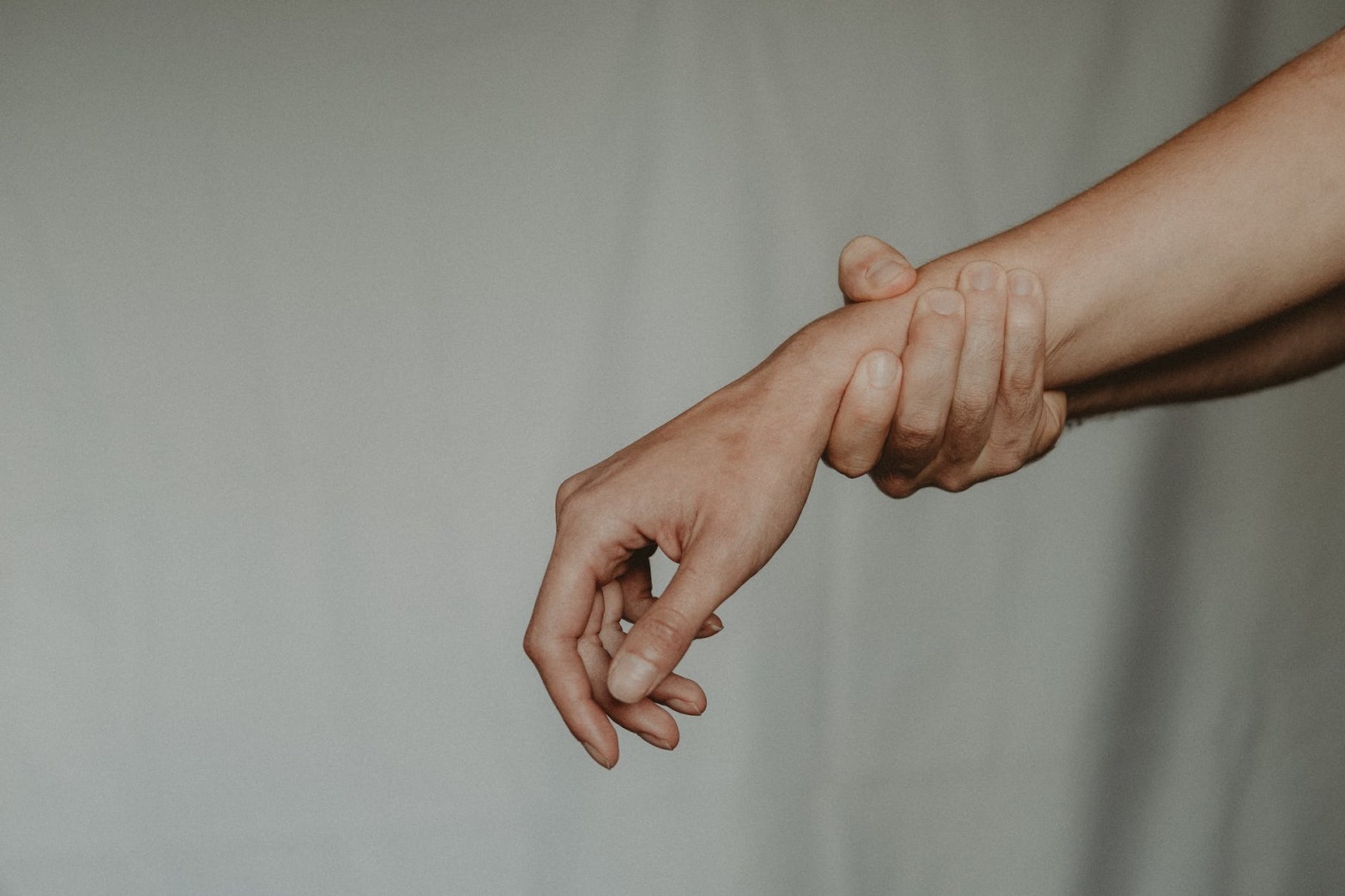
Wrist pain during Pilates exercises often stems from incorrect hand and wrist positioning, overloading the wrists, or underlying musculoskeletal issues. It’s essential to understand the causes of wrist pain and how to alleviate it to ensure a safe and effective Pilates practice.

1. Hand and Wrist Position

One of the primary factors contributing to wrist pain in Pilates is hand and wrist positioning. Incorrect alignment, such as excessive wrist extension or flexion, can put stress on the wrist joint. During exercises, focus on maintaining a neutral wrist position, with your palms facing down, fingers spread, and weight distributed evenly through the fingers and palms.

2. Proper Weight Distribution

Pilates exercises often involve bearing weight on your hands, which can strain the wrists. It’s crucial to evenly distribute the weight through your entire hand, rather than placing excessive pressure on the wrists. Engaging the muscles in your arms and shoulders can help relieve the load on your wrists.

3. Flexibility and Strength

Inadequate wrist flexibility or strength can contribute to discomfort. Pilates emphasizes building strength and flexibility in the entire body, including the wrists. Exercises that focus on wrist mobility and stability can help alleviate pain and prevent future issues.

4. Modify and Use Props

If you’re experiencing wrist pain, it’s essential to communicate with your instructor. They can offer modifications to exercises that minimize wrist involvement or suggest the use of props like wrist support or small cushions to ease the strain on your wrists.

5. Listen to Your Body

Remember that pain should never be part of your Pilates practice. If you experience ongoing discomfort, it’s crucial to listen to your body and seek guidance from a certified instructor. They can help identify the source of your wrist pain and tailor your practice to accommodate your needs.

Poleates Playhouse: Nurturing a Pain-Free Pilates Journey

At Poleates Playhouse, we understand the importance of a pain-free Pilates experience. Our certified instructors are trained to provide guidance and support for individuals dealing with wrist pain or any other discomfort. We encourage open communication with our clients to ensure that they can enjoy the full benefits of Pilates without the hindrance of pain.

Whether you’re new to Pilates or a seasoned practitioner, we offer a welcoming and supportive environment where your well-being is our top priority. We aim to empower you to make modifications when needed and to help you build wrist strength and flexibility over time.

In conclusion, wrist pain should never deter you from the many advantages of Pilates. By understanding the common causes of wrist discomfort and working with experienced instructors, you can enjoy a pain-free Pilates journey. At Poleates Playhouse, we are committed to helping you address wrist pain and fostering a fulfilling and safe Pilates experience.

If you’re experiencing wrist pain during your Pilates practice or if you’re considering taking up Pilates and have concerns, reach out to us. We’re here to assist you in your journey toward a healthier, stronger, and more pain-free you.

Unlocking Shoulder Mobility: Top Poleates Playhouse Exercises for Flexibility, Strength, and Flossing

Welcome back to Poleates Playhouse! In this blog post, we’re delving into the world of shoulder mobility – a crucial aspect of pole and Pilates training. Whether you’re a seasoned performer or a beginner, incorporating targeted shoulder exercises into your routine is essential for strength, flexibility, and injury prevention. Let’s explore some of the best shoulder mobility exercises, including the innovative practice of shoulder flossing, to keep you spinning, flipping, and soaring with grace.

  1. Shoulder Circles: Begin your shoulder mobility routine with simple yet effective shoulder circles. Stand tall with feet shoulder-width apart, and gently rotate your shoulders in a circular motion. This exercise helps lubricate the shoulder joints, improve circulation, and warm up the muscles surrounding the shoulder girdle.
  2. Arm Swings: Engage your entire upper body with dynamic arm swings. Stand with your feet hip-width apart and swing your arms forward and backward in a controlled manner. This exercise not only promotes shoulder mobility but also activates the muscles in your chest, back, and core.
  3. Wall Angels: Find a clear wall space and stand with your back against it. Raise your arms to shoulder height and press them against the wall. Slowly slide your arms up and down, mimicking the motion of “making snow angels.” Wall angels target the muscles responsible for shoulder blade movement, promoting both mobility and stability.
  4. Resistance Band Pull-Aparts: Grab a resistance band for this next exercise. Hold the band in front of you with straight arms, and pull it apart by squeezing your shoulder blades together. This movement targets the muscles of the upper back, enhancing shoulder stability and improving range of motion.
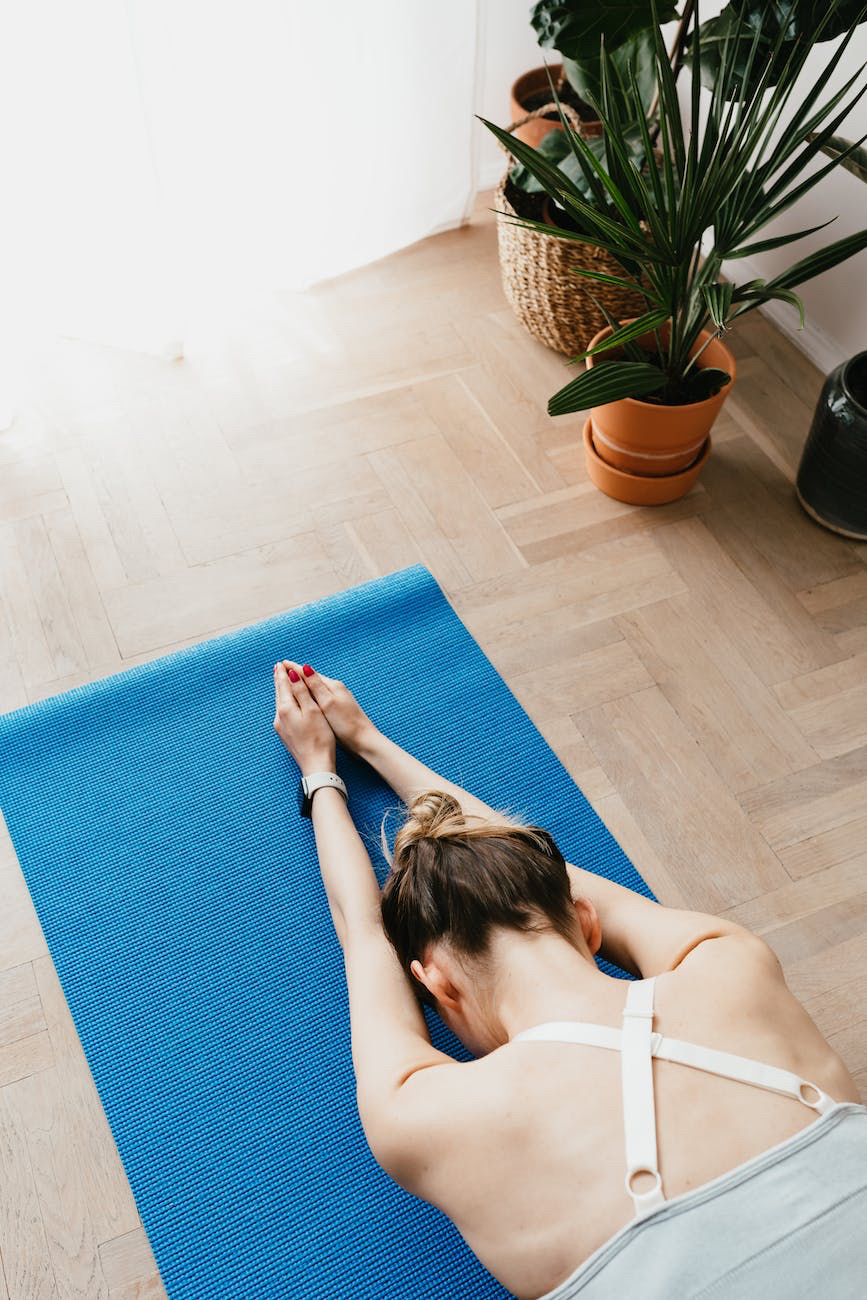
  5. Child’s Pose with Shoulder Stretch: Incorporate yoga-inspired stretches to open up the shoulders. Start in a tabletop position, then sit back onto your heels, reaching your arms forward on the mat. Walk your hands to one side, feeling a deep stretch along the opposite shoulder. Repeat on the other side to achieve a well-rounded stretch.
  6. Pilates Scapular Isolations: Lie on your stomach with your arms extended overhead. Lift your arms and upper body off the mat while squeezing your shoulder blades together. This exercise strengthens the muscles around the scapula, promoting healthy shoulder movement and stability.
  7. Pole Dancing Shoulder Rolls: Take advantage of the pole to enhance your shoulder mobility. Stand facing the pole, grip it with one hand, and initiate a slow shoulder roll, moving your body in a circular motion around the pole. This dynamic exercise not only improves mobility but also builds strength in the shoulders and upper back.
  8. Shoulder Flossing: Introducing an exciting addition to your shoulder mobility routine – shoulder flossing. Using a long strap or belt, hold it with both hands and raise your arms overhead. Slowly lower one arm behind your head while keeping the other arm extended. Alternate between arms, creating a flossing motion that stretches and mobilizes the shoulder joints.

Achieving optimal shoulder mobility is a game-changer in the world of Pilates and Pole Fitness By incorporating these exercises, including the innovative shoulder flossing, into your routine, you’ll enhance your range of motion, reduce the risk of injuries, and elevate your overall performance. Remember to listen to your body, start slowly, and gradually increase intensity. Here’s to fluid, graceful movements and stronger, more resilient shoulders on your Poleates journey!

The MELT Method: Unveiling the Secrets of Pain-Free Living

Are you looking for a gentle, effective, and innovative way to reduce pain and discomfort while enhancing your overall well-being? Enter the MELT Method. At Poleates Playhouse, we believe in the transformative power of movement, and the MELT Method is an exceptional addition to our repertoire of holistic health practices. In this blog post, we’ll delve into the MELT Method and uncover how it can benefit you.

What is the MELT Method?

The MELT Method is a unique and scientifically grounded approach to pain relief and self-care created by Sue Hitzmann, a manual therapist and movement educator. MELT stands for Myofascial Energetic Length Technique, and it focuses on the fascia, the connective tissue that surrounds your muscles, joints, and organs.

Key Principles of the MELT Method:

  1. Hydration of Connective Tissue: The MELT Method emphasizes the importance of keeping your connective tissue hydrated. Dehydrated fascia can lead to pain, stiffness, and reduced mobility. MELT techniques involve using soft foam rollers and balls to create gentle compression and friction that encourage fluid exchange in the connective tissue.
  2. NeuroCore Control: MELT movements are designed to stimulate the body’s neurological system. By engaging the body’s control center, you can improve stability, balance, and posture. This core control is fundamental for pain relief and overall well-being.
  3. Whole-Body Approach: MELT takes a holistic approach, addressing the entire body rather than focusing solely on isolated areas of pain. This approach helps to rebalance the body and reduce strain on problem areas.
  4. Self-Treatment: The MELT Method empowers individuals to take control of their health and well-being through self-treatment techniques that can be done at home. The tools required are simple – foam rollers and soft balls.

How Can the MELT Method Benefit You?

The MELT Method offers a range of potential benefits, including:

  • Pain Relief: By rehydrating the fascia and improving core control, the MELT Method can reduce pain and discomfort caused by issues like chronic pain, muscle tension, or joint problems.
  • Improved Flexibility: MELT helps restore flexibility and mobility by addressing the fascia, which can become stiff and less pliable over time.
  • Enhanced Posture: By reestablishing core control and balancing the body, MELT can improve posture and reduce the risk of musculoskeletal issues related to poor alignment.
  • Stress Reduction: The MELT Method incorporates mindfulness and relaxation techniques that can help reduce stress and promote a sense of well-being.

Poleates Playhouse: Embracing the MELT Method

At Poleates Playhouse, we’re enthusiastic about the MELT Method and its potential to enhance your well-being. We offer classes and sessions that incorporate MELT techniques to help you experience the benefits of this unique approach to pain-free living.

Whether you’re new to the MELT Method or looking to deepen your practice, our instructors are here to guide you on your journey. We provide a welcoming and supportive environment where your well-being is our top priority.

The MELT Method is an innovative approach to pain relief and overall well-being. By focusing on fascial health, core control, and whole-body balance, the MELT Method empowers you to reduce pain and discomfort while enjoying improved flexibility, posture, and peace of mind. Reach out to us at Poleates Playhouse to explore the transformative power of the MELT Method and make it part of your path to a healthier, pain-free, and more balanced you.

Navigating the Pole Fitness Studio: Etiquette for a Positive and Inclusive Experience

Pole fitness studios are dynamic spaces where individuals of all backgrounds come together to explore the artistry and athleticism of pole dancing. To ensure that every participant enjoys a positive and inclusive experience, it’s essential to uphold a set of studio etiquette guidelines. These guidelines foster a respectful and supportive environment that empowers everyone to embrace their journey. Let’s delve into the key elements of studio etiquette for a harmonious pole fitness community.

1. Arrive On Time:

Respect your fellow pole dancers and the instructor by arriving on time for your class or session. Being punctual allows you to fully engage in the warm-up and ensures that everyone can start together.

2. Dress Appropriately:

Wear comfortable workout attire that allows you to move freely on the pole. Follow the studio’s dress code guidelines, which may include shorts, tank tops, and bare feet. Proper attire ensures your safety and helps create a focused environment.

3. Remove Jewelry:

Before stepping onto the pole, make sure to remove jewelry, especially rings, to avoid scratching the pole’s surface and potential injury to yourself or others.

4. Silence Your Devices:

Before entering the studio, ensure that your phone is on silent mode or turned off. Limit distractions to fully engage in the practice and maintain the flow of the session.

5. Practice Good Hygiene:

Maintain personal hygiene by wearing clean attire and bringing a towel to wipe down the pole and equipment after use. Respect the studio’s cleanliness for the benefit of all participants.

6. Listen and Follow Instructions:

Pay close attention to the instructor’s cues and guidance. Follow instructions carefully to ensure your safety and the success of the exercises and routines.

7. Communicate Openly:

Inform the instructor of any injuries, limitations, or concerns before the class begins. This allows them to provide appropriate modifications and guidance tailored to your needs.

8. Supportive Atmosphere:

Foster an atmosphere of support and encouragement. Celebrate each other’s achievements, and offer kind words to your fellow pole dancers. Positive energy lifts everyone’s experience.

9. Respect Diversity:

Pole fitness welcomes people of all body types, backgrounds, and identities. Treat everyone with respect, avoiding judgments based on appearance or skill level.

10. Keep Conversations Respectful:

Engage in conversations that uplift and inspire. Avoid negative or gossip-focused discussions that can detract from the studio’s positive vibe.

11. Share the Space:

If the studio has limited poles, be mindful of sharing pole time with other participants. Rotate and take turns so that everyone has a chance to practice.

12. Be Mindful of Sex Workers:

Be respectful of your fellow participants and instructors who may also be sex workers. Recognize that sex workers are individuals with unique experiences, and they can contribute valuable insights to the pole fitness community.

13. Stay for the Entire Class:

Commit to staying for the entire class to respect your fellow participants and maintain the flow of the session. If you must leave early, inform the instructor beforehand.

14. Clean Up After Yourself:

Whether using poles, mats, or equipment, make sure to return them to their designated places after use. Leaving the studio organized ensures a welcoming environment for all.

15. Embrace Challenges:

Pole fitness is a journey of growth. Embrace challenges with patience and a positive mindset, knowing that progress takes time and effort.

16. Express Gratitude:

At the end of the session, thank the instructor and your fellow participants for the shared experience. Expressing gratitude fosters a sense of community and camaraderie.

In Conclusion:

Upholding studio etiquette in the pole fitness environment is a cornerstone of creating a positive and inclusive community. By embracing these guidelines, you contribute to a space where individuals can explore, learn, and express themselves freely. As you engage in pole fitness, remember that your respectful conduct enhances the studio’s atmosphere and empowers everyone to thrive.

So step into the pole fitness studio with intention, kindness, and a commitment to studio etiquette, knowing that your dedication enriches your practice and uplifts the pole fitness community as a whole.

The Pole and Pilates Community: Connecting with Like-Minded Individuals

Embarking on a fitness journey is not just about sculpting your body; it’s also about building connections, finding support, and immersing yourself in a community that shares your passion. The pole and Pilates community offers a unique blend of camaraderie, empowerment, and inspiration that goes beyond the physical aspect of these practices. In this blog post, we’ll explore the enriching experience of being part of the pole and Pilates community and how connecting with like-minded individuals can enhance your journey to wellness.

Finding Your Tribe: The Power of Community

  1. Shared Passion: Joining the pole and Pilates community means surrounding yourself with individuals who share your love for these practices. Sharing a common passion creates an instant bond and a platform for exchanging experiences, challenges, and triumphs.
  2. Supportive Environment: The pole and Pilates community is known for its inclusive and supportive nature. Whether you’re a beginner or an experienced practitioner, you’ll find a network of individuals cheering you on, providing guidance, and offering encouragement at every step of your journey.
  3. Inspiration Everywhere: Within the community, you’ll encounter individuals with a wide range of skill levels and goals. This diversity provides a constant source of inspiration, motivating you to set new goals, challenge yourself, and continuously evolve.
  4. Mental and Emotional Well-Being: Being part of a supportive community contributes to your overall mental and emotional well-being. Sharing your experiences, struggles, and achievements with like-minded individuals creates a safe space for personal growth and self-expression.

Ways to Connect within the Community

  1. Local Studios and Workshops: Joining a local pole or Pilates studio is a fantastic way to connect with fellow enthusiasts. Participate in classes, workshops, and events to meet individuals who share your passion.
  2. Online Communities: Social media platforms, forums, and dedicated websites offer a virtual space to connect with the global pole and Pilates community. Engage in discussions, share progress, and learn from others’ experiences.
  3. Participate in Challenges: Many online communities host challenges that encourage members to try new moves, share videos, and celebrate collective achievements. Participating in these challenges fosters a sense of unity and friendly competition.
  4. Attend Events and Retreats: Pole and Pilates events, conventions, and retreats bring enthusiasts from around the world together. These gatherings offer opportunities to learn from experts, attend workshops, and connect with individuals who share your interests.
  5. Collaborative Projects: Collaborating on creative projects, like choreography videos or themed photoshoots, allows you to engage with others in the community while showcasing your skills and creativity.

The Ripple Effect of Connection

  1. Accountability: Connecting with a supportive community helps you stay accountable to your fitness goals. Knowing that others are invested in your journey encourages you to stay committed and consistent.
  2. Confidence Boost: As you receive positive feedback and encouragement from fellow community members, your self-confidence grows. This newfound confidence transcends your pole and Pilates practice, positively impacting other areas of your life.
  3. Diverse Perspectives: Engaging with a diverse community exposes you to various viewpoints, techniques, and training approaches. This wealth of knowledge broadens your horizons and helps you refine your practice.

Being part of the pole and Pilates community goes beyond the physical aspects of fitness—it’s about forming connections that enrich your life on multiple levels. Whether you’re a beginner seeking guidance or a seasoned practitioner looking to share your expertise, the community offers a space for growth, friendship, and inspiration. As you connect with like-minded individuals, you’ll discover that the pole and Pilates community is a vibrant tapestry of individuals, all woven together by a shared love for movement, empowerment, and a holistic approach to wellness.

Static Pole vs. Spin Pole: Unraveling the Distinctions

Pole-ates Playhouse – Your Hub for Mindful Movement

Pole dancing has evolved into a dynamic and multifaceted art form that offers a wide range of techniques and styles. Among the various choices, two distinct categories stand out: static pole and spin pole. Each style presents its unique challenges and rewards, making it essential to understand the differences between them. In this blog post, we’ll delve into the world of static pole and spin pole, helping you uncover which style suits you best.

Static Pole: Strength and Control

Static pole, as the name suggests, refers to a pole that does not rotate or spin. It is fixed securely in place. Here are the key characteristics of static pole dancing:

**1. Emphasis on Strength: Static pole routines often require more strength and control than spin pole. Dancers must rely on their muscle power to execute moves, poses, and holds.

**2. Precise Technique: Precision is crucial in static pole dancing. Dancers must maintain perfect form and control to execute moves gracefully.

**3. Stationary Work: Dancers perform intricate spins, inversions, and holds without the assistance of pole rotation. This style highlights balance and precision.

**4. Ideal for Strength Training: Static pole is excellent for building upper body and core strength, making it a popular choice for those seeking a challenging workout.

Spin Pole: Fluidity and Momentum

In contrast, spin pole, also known as rotating pole, features a pole that rotates around its axis. This style offers a distinct experience:

**1. Fluid Movements: Spin pole routines are characterized by fluid, flowing movements. Dancers use the momentum generated by the rotating pole to create graceful transitions and spins.

**2. Less Upper Body Strength: While upper body strength is still essential, spin pole relies less on pure strength and more on controlling momentum and timing.

**3. Dynamic Spins: Spin pole dancers can execute dynamic spins that involve multiple rotations. These spins are visually stunning and provide a sense of weightlessness.

**4. Choreographic Freedom: Spin pole allows for more creative freedom in choreography due to the added dimension of pole rotation.

Choosing Your Style

Selecting between static and spin pole depends on your goals, preferences, and fitness level:

  • Static Pole: Choose static pole if you enjoy strength-based challenges, precise technique, and mastering intricate poses. It’s an excellent choice for building upper body and core strength.
  • Spin Pole: Opt for spin pole if you’re drawn to fluid, graceful movements and enjoy the sensation of spinning. It offers creative choreographic opportunities and can be less physically demanding in terms of strength.

Exploring Both Worlds

Many pole dancers find fulfillment in exploring both static and spin pole styles. This dual experience allows for a more comprehensive understanding of pole dancing and provides versatility in routines and performances.

In Conclusion

Static pole and spin pole represent two captivating facets of the pole dance world, each offering its distinct challenges and rewards. Whether you prefer the strength and precision of static pole or the fluidity and momentum of spin pole, both styles celebrate the beauty of pole dancing. As you embark on your pole dance journey, consider trying both styles to discover which resonates with you most.

Releasing Ego in Pilates: Embracing Mindful Movement and Personal Growth

Pilates is more than just a physical exercise – it’s a practice that encourages a deep connection between the mind and the body. One of the most transformative aspects of Pilates is the opportunity it provides to release ego and cultivate a mindful approach to movement. By letting go of the need to compare, compete, or perform, you can embark on a journey of self-discovery, personal growth, and true holistic wellness.

Understanding the Ego:

The ego, often referred to as the self-image or the need for external validation, is a powerful force that can impact various aspects of our lives, including our fitness journey. In a society that often values performance and appearance, the ego can sneak into our workouts, urging us to push harder, do more, or compare ourselves to others. In Pilates, the ego might show up as the desire to execute advanced movements perfectly or to outperform others in a group class.

Embracing Mindful Movement:

Mindful movement is the practice of being fully present in each moment of your workout, focusing on how your body feels and moves rather than the external results. In Pilates, releasing ego means shifting your attention from seeking external validation to connecting with your body’s sensations, alignment, and breath. It’s about finding joy in the process rather than fixating on the outcome.

Tips for Releasing Ego in Pilates:

  1. Practice Self-Compassion: Treat yourself with kindness and understanding, especially if you’re struggling with a particular movement or variation. Remember that everyone has their own journey, and it’s okay to take your time.
  2. Set Intentions: Instead of striving for perfection, set intentions that focus on the experience. Aim to improve your form, enhance your flexibility, or deepen your mind-body connection.
  3. Stay Present: When you catch yourself comparing or judging, gently bring your attention back to the present moment. Focus on your breath, the alignment of your body, and the sensations you’re experiencing.
  4. Celebrate Progress: Rather than measuring progress solely by external markers, celebrate the small victories along the way. Maybe you held a challenging pose for a few seconds longer or felt a new level of awareness in a movement.
  5. Listen to Your Body: Honor your body’s needs and limitations. Avoid pushing yourself to the point of discomfort or pain. Rest when you need to, and choose variations that suit your current level of strength and flexibility.
  6. Practice Gratitude: Cultivate gratitude for your body’s abilities and the opportunity to move. Gratitude shifts your focus away from what’s lacking and brings appreciation for what you can do.
  7. Let Go of Expectations: Release the need to achieve a specific outcome in each session. Approach your practice with an open mind and a willingness to explore and learn.

The Benefits of Releasing Ego:

Releasing ego in Pilates brings a multitude of benefits that extend beyond the physical. It reduces stress and anxiety, fosters a positive body image, and allows you to build a deeper connection with your body. You’ll find joy in movement, experience enhanced mindfulness, and create a space for personal growth and self-acceptance.

Pilates offers a unique opportunity to release ego and embrace mindful movement. By focusing on the present moment, setting intentions, and practicing self-compassion, you can cultivate a deeper connection with your body and experience the true essence of Pilates – a journey of self-discovery, wellness, and personal transformation.

Remember, releasing ego is a continuous practice. With time and dedication, you’ll find that your Pilates journey becomes not just a physical workout, but a holistic experience that nourishes your body, mind, and soul.