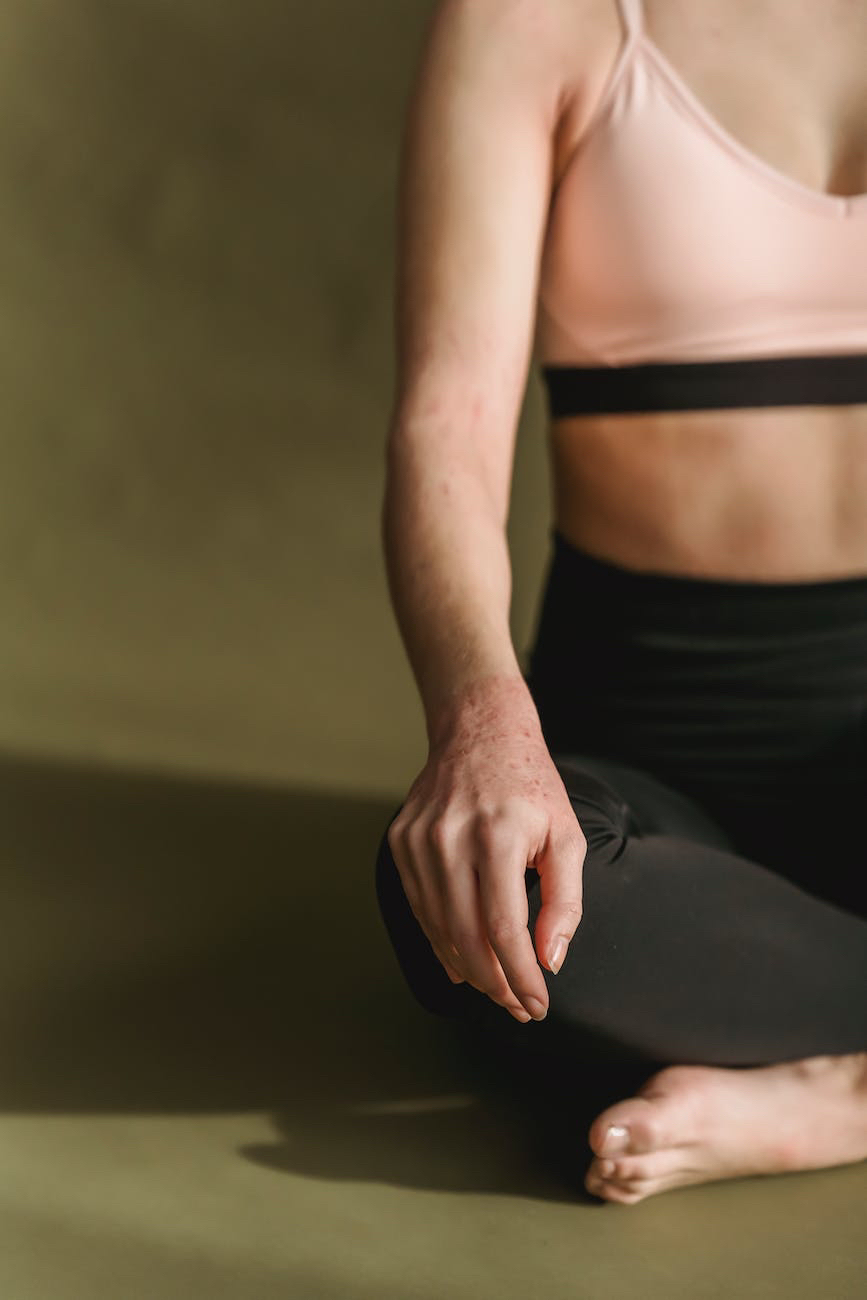
The Pilates Cue “Navel to Spine”: What It Means and How to Apply It

Pole-ates Playhouse – Your Hub for Mindful Movement

If you’re a regular practitioner of Pilates, you’ve likely heard the cue “navel to spine” from your instructor. It’s one of the fundamental principles of Pilates and a key component of achieving proper core engagement. In this blog post, we’ll explore what “navel to spine” means and how to apply it effectively in your Pilates practice.

Understanding the Cue

“Navel to spine” is a cue that’s all about core engagement and spinal alignment. It’s a way of instructing students to draw their navel (belly button) inward and toward the spine. The goal is to activate and strengthen the deep core muscles, particularly the transverse abdominis.

Why “Navel to Spine” Matters

  1. Core Activation: The transverse abdominis is like your body’s natural corset. When engaged, it provides stability and support to the spine and pelvis. “Navel to spine” cues you to activate this muscle, enhancing core strength.
  2. Spinal Alignment: When you draw the navel toward the spine, it encourages a gentle, natural curve in your lower back. This alignment minimizes excessive arching, reducing the risk of lower back strain during Pilates exercises.
  3. Breathing: Proper core engagement also promotes diaphragmatic breathing, where you breathe deeply into your lungs while maintaining a stable core. This type of breathing supports efficient oxygen exchange and enhances your overall Pilates experience.

How to Apply “Navel to Spine”

  1. Mindful Awareness: Begin by developing awareness of your core. Lie on your back with knees bent, feet flat on the floor. Place your hands on your belly, just below your ribcage. As you inhale, let your belly rise naturally. As you exhale, gently draw your navel toward your spine.
  2. Pelvic Floor Engagement: Imagine a gentle lift of your pelvic floor muscles as you exhale and engage your core. This combination of core and pelvic floor activation is fundamental in Pilates.
  3. Incorporate into Exercises: As you progress in your Pilates practice, consciously apply “navel to spine” during exercises. For example, during the Hundred or the Roll-Up, use this cue to maintain core stability.
  4. Maintain Breath: Remember that even as you engage your core, you should continue to breathe steadily. Avoid holding your breath.

Common Mistakes to Avoid

  • Over-Gripping: It’s important to engage the core without gripping too tightly. The engagement should be firm but not forceful.
  • Excessive Tension: Don’t tense up your shoulders, neck, or jaw when applying this cue. Keep these areas relaxed.
  • Shallow Breathing: While maintaining a stable core, focus on deep, diaphragmatic breathing. Avoid shallow breathing patterns.

In Conclusion

The “navel to spine” cue is a powerful tool in Pilates, promoting core activation, spinal alignment, and mindful breathing. By incorporating this cue into your practice with awareness and proper technique, you’ll not only strengthen your core but also enhance your overall Pilates experience.

Unveiling the Wonders of Reformer Pilates: A Comprehensive Guide

Reformer Pilates, an innovative and dynamic form of exercise, has gained immense popularity for its ability to sculpt bodies, enhance flexibility, and promote holistic well-being. Developed by Joseph Pilates himself, the reformer machine is at the heart of this practice, offering a versatile platform for a wide range of exercises. In this blog post, we’ll explore the world of Reformer Pilates, delving into its benefits, key principles, and what makes it a transformative fitness experience.

Understanding the Reformer Machine

The reformer machine, a key component of Reformer Pilates, resembles a bed-like frame with a sliding carriage, springs, straps, and pulleys. The springs provide adjustable resistance, allowing practitioners to customize the intensity of their workouts. The carriage, which slides back and forth, serves as the foundation for various exercises that target different muscle groups.

The Core Principles of Reformer Pilates

  1. Controlled Movement: Just like traditional Pilates, Reformer Pilates places a strong emphasis on controlled and precise movements. This promotes muscle engagement and prevents strain or injury.
  2. Alignment: Proper alignment is crucial for effective and safe execution of exercises on the reformer machine. Attention to alignment enhances muscle activation and overall posture.
  3. Breath Coordination: Reformer Pilates integrates breath control with movement. Inhales and exhales are synchronized to enhance oxygenation, focus, and relaxation.
  4. Mind-Body Connection: Mindful movement is at the heart of Reformer Pilates. Practitioners are encouraged to be fully present in each exercise, fostering a deep connection between the mind and body.

Benefits of Reformer Pilates

  1. Full-Body Conditioning: Reformer Pilates offers a comprehensive workout that targets all major muscle groups. The machine’s versatility allows for exercises that engage muscles in both isolation and integration.
  2. Improved Core Strength: Many Reformer Pilates exercises inherently engage the core muscles, leading to enhanced core strength and stability.
  3. Enhanced Flexibility: The stretching and lengthening movements on the reformer machine contribute to increased flexibility and improved range of motion.
  4. Muscle Tone and Definition: The adjustable resistance of the springs challenges muscles, leading to improved muscle tone, endurance, and definition.
  5. Posture Correction: The focus on alignment and muscle balance helps correct poor posture habits, resulting in improved spinal alignment.
  6. Injury Rehabilitation: Reformer Pilates is often used in physical therapy settings to aid in injury recovery. Its low-impact nature and adaptable exercises can support rehabilitation.

Experiencing Reformer Pilates

  1. Classes and Instructors: Reformer Pilates is typically taught in group classes or one-on-one sessions with certified instructors. Instructors guide participants through a series of exercises that cater to individual fitness levels and goals.
  2. Customization: The reformer machine allows for a wide variety of exercises, making it possible to tailor workouts to specific needs, whether it’s strength training, flexibility, or rehabilitation.
  3. Progressive Challenge: As you become more familiar with Reformer Pilates, you can gradually increase the resistance and complexity of exercises, ensuring continuous progress.

Reformer Pilates is a fitness journey that combines tradition, innovation, and mindfulness. With its focus on controlled movement, alignment, breath coordination, and mind-body connection, Reformer Pilates offers a transformative experience that strengthens, lengthens, and nurtures the body. Whether you’re a beginner seeking a versatile workout or an experienced practitioner looking to deepen your practice, Reformer Pilates presents an opportunity to explore movement, embrace balance, and unlock the full potential of your body’s capabilities.

Social Media and Fitness: Sharing Your Journey Responsibly

Social media has transformed the way we connect, communicate, and share our experiences. In the realm of fitness, platforms like Instagram, TikTok, and YouTube have become powerful tools for individuals to document their fitness journeys, inspire others, and build a supportive community. However, with this power comes responsibility. It’s important to use social media mindfully and ethically to promote a healthy and responsible fitness culture. In this blog post, we’ll explore the impact of social media on fitness, offer tips for sharing your fitness journey responsibly, and discuss how to create a positive and inclusive online fitness community.

The Influence of Social Media on Fitness

  1. Inspiration: Social media provides a platform for individuals to share their fitness transformations, achievements, and challenges, inspiring others to embark on their own fitness journeys.
  2. Education: Fitness enthusiasts often share workout routines, nutrition tips, and wellness advice, empowering their followers with valuable knowledge.
  3. Accountability: Sharing progress publicly can hold individuals accountable for their fitness goals, as their audience becomes a supportive network cheering them on.
  4. Support Network: Online communities offer a space for individuals to connect, share experiences, and find encouragement from like-minded individuals.

Sharing Your Fitness Journey Responsibly

  1. Authenticity: Be genuine in your posts. Share both successes and setbacks to provide a realistic view of your journey. Authenticity fosters trust and relatability.
  2. Avoid Extremes: Refrain from promoting extreme or unhealthy behaviors, quick fixes, or fad diets. Focus on sustainable and balanced approaches to fitness.
  3. Consult Professionals: If sharing fitness advice, ensure it’s based on credible sources or personal experience. Encourage your audience to consult professionals before making changes to their routines.
  4. Body Positivity: Promote body positivity by celebrating diverse body shapes, sizes, and abilities. Avoid perpetuating unrealistic beauty standards.

Creating a Positive Online Fitness Community

  1. Inclusivity: Foster an inclusive environment where individuals of all backgrounds, fitness levels, and abilities feel welcome and valued.
  2. Encouragement: Use your platform to uplift and motivate others. Celebrate their achievements and provide constructive feedback when appropriate.
  3. Engagement: Respond to comments, messages, and questions from your followers. Engaging with your audience helps build a sense of connection and community.
  4. Embrace Diversity: Share content that showcases a variety of fitness activities, from yoga and Pilates to weightlifting and dancing, reflecting the diverse interests of your audience.

Mindful Posting Practices

  1. Privacy: Be cautious about sharing personal information, such as your exact location, daily routines, or sensitive data that could compromise your safety.
  2. Consent: If sharing images of others, obtain their consent, especially if they are recognizable in the content.
  3. Balanced Perspective: Balance fitness-related content with other aspects of your life. Showcasing your interests, hobbies, and experiences creates a more holistic portrayal of who you are.

Social media has the power to inspire, educate, and unite individuals in their fitness journeys. By sharing your experiences responsibly, you can contribute to a positive and supportive online fitness community. Use your platform to promote authenticity, inclusivity, and body positivity while offering valuable insights and encouragement to your audience. Remember that your posts have the potential to impact others’ lives, so approach your social media presence with mindfulness and a commitment to fostering a healthy and responsible fitness culture

Understanding the Difference: Pilates vs. Yoga

When it comes to exercise and mindful movement, two practices that often find themselves in the same conversation are Pilates and yoga. While both offer numerous benefits for physical and mental well-being, they are distinct in their philosophies, approaches, and outcomes. At Poleates Playhouse, we believe it’s essential to understand these differences to make informed choices about your fitness journey. In this blog post, we’ll explore the distinctions between Pilates and yoga.

1. Origin and Philosophy

Pilates: Developed by Joseph Pilates in the early 20th century, Pilates focuses on strengthening the core, improving posture, and enhancing overall body flexibility. The core principles of Pilates include concentration, control, centering, precision, breath, and flow. It’s an exercise system aimed at achieving a balanced, strong, and flexible body.

Yoga: Yoga, on the other hand, is an ancient practice with roots in India that dates back thousands of years. It encompasses a wide range of physical, mental, and spiritual disciplines. Yoga focuses on the union of the mind, body, and spirit. It often includes postures, breathing exercises, meditation, and ethical guidelines for living a meaningful life.

2. Movement and Postures

Pilates: Pilates primarily involves controlled and precise movements performed on specialized equipment like the reformer or on the mat. These movements target specific muscle groups and promote core strength, flexibility, and postural alignment. The exercises in Pilates are low-impact and aim to build lean, long muscles.

Yoga: Yoga incorporates a broader range of postures, also known as asanas. These postures vary in intensity and complexity, and they are typically held for longer durations to increase flexibility and strength. Yoga practice often includes standing poses, balancing poses, seated poses, and inversions, promoting overall flexibility and body awareness.

3. Breathing Techniques

Pilates: In Pilates, the emphasis is on coordinated breathing with movement. Pilates instructors teach students to use diaphragmatic breathing to oxygenate muscles and facilitate the flow of energy throughout the body.

Yoga: Yoga places significant importance on the breath as well. Yogic breathing techniques, known as pranayama, are integrated into the practice to enhance relaxation, focus, and energy flow. Breath control is central to achieving a meditative state in yoga.

4. Goals and Outcomes

Pilates: The primary goal of Pilates is to strengthen the core, improve posture, and increase overall body strength and flexibility. It is an excellent choice for those looking to enhance physical fitness and address musculoskeletal issues.

Yoga: Yoga offers a holistic approach that encompasses physical, mental, and spiritual well-being. It helps reduce stress, increase flexibility, balance emotions, and promote mindfulness. Yoga is often sought for relaxation and spiritual growth.

5. Equipment and Props

Pilates: While Pilates can be performed on a mat, it often involves the use of specialized equipment like reformers, Cadillac machines, and barrels. These devices offer resistance and support to enhance the effectiveness of the exercises.

Yoga: Yoga typically requires minimal equipment. A yoga mat is the most common accessory, but additional props like blocks, straps, and bolsters are sometimes used to assist in achieving poses or stretches.

In conclusion, both Pilates and yoga have their unique strengths and cater to different needs. Pilates is excellent for those seeking a structured, low-impact exercise system that emphasizes core strength and flexibility. Yoga, on the other hand, is a holistic practice that combines physical postures with mental and spiritual elements, making it an ideal choice for those looking for a mind-body connection and relaxation.

At Poleates Playhouse, we offer both Pilates and yoga classes, recognizing the value of each practice. Whether you prefer the precision of Pilates or the mindfulness of yoga, we have a class that can meet your needs. So, why choose when you can experience the best of both worlds?

Remember, the most important thing is to find an exercise regimen that you enjoy and that aligns with your personal goals. Whether it’s Pilates, yoga, or a combination of both, what matters most is your commitment to a healthier, more balanced you.

So, why not give both a try and discover what resonates with you the most? Your body and mind will thank you!

Exploring Contemporary Pilates: Bridging Tradition and Innovation for Holistic Fitness

Pilates, a time-tested fitness practice developed by Joseph Pilates, has evolved over the years to embrace contemporary influences while preserving its core principles. Contemporary Pilates is a dynamic and versatile approach that marries the essence of the traditional method with modern techniques and adaptations. In this blog post, we’ll dive into the world of contemporary Pilates, shedding light on its key characteristics, benefits, and why it’s capturing the attention of fitness enthusiasts worldwide.

The Evolution of Pilates: A Brief Recap

Before delving into contemporary Pilates, it’s important to revisit the foundation upon which it stands. Joseph Pilates created the original method in the early 20th century, emphasizing principles like breath, concentration, control, centering, precision, flow, and routine. This approach aimed to create a balanced connection between the mind and body while fostering physical strength, flexibility, and overall well-being.

Defining Contemporary Pilates

Contemporary Pilates builds upon the core principles of the traditional method while incorporating innovative techniques, tools, and movement patterns. This fusion of tradition and innovation aims to address the needs and preferences of modern practitioners, offering a more varied and dynamic experience.

Key Characteristics of Contemporary Pilates

  1. Utilization of Props: Contemporary Pilates often integrates props such as resistance bands, stability balls, foam rollers, and small equipment to add variety and challenge to the exercises. These props can amplify the intensity of the workout and target specific muscle groups.
  2. Functional Movement: Contemporary Pilates places a strong emphasis on functional movement patterns that mimic real-life activities. This approach enhances overall body awareness and prepares the body for the demands of daily life and sports.
  3. Mindful Movement: Just like traditional Pilates, contemporary practitioners engage in mindful movement, focusing on proper alignment, breath control, and conscious execution of each exercise.
  4. Dynamic Sequencing: Contemporary Pilates classes often feature more dynamic and flowing sequences, transitioning seamlessly from one exercise to another. This adds a cardiovascular element to the practice while maintaining the core principles of control and precision.
  5. Incorporation of Other Disciplines: Contemporary Pilates might incorporate elements from disciplines like yoga, dance, and physical therapy. This cross-disciplinary approach enhances the versatility and appeal of the practice.

Benefits of Contemporary Pilates

  1. Enhanced Core Strength: The incorporation of props and functional movements challenges the core muscles in new ways, leading to improved core strength and stability.
  2. Versatility: Contemporary Pilates offers a wide range of exercises and variations, catering to different fitness levels and goals.
  3. Balanced Approach: By blending tradition and innovation, contemporary Pilates provides a well-rounded workout that addresses both physical and mental aspects of fitness.
  4. Variety and Engagement: The use of props and dynamic sequences keeps the practice engaging and prevents monotony, encouraging regular participation.
  5. Adaptability: Contemporary Pilates can be adapted to suit specific needs, whether it’s rehabilitation, sports conditioning, or general fitness.

Contemporary Pilates is a testament to the enduring nature of Joseph Pilates’ principles, which continue to evolve and adapt to the needs of modern individuals. This dynamic approach blends tradition with innovation, offering a versatile and engaging fitness practice that fosters holistic well-being. Whether you’re a seasoned Pilates practitioner or new to the practice, exploring contemporary Pilates can open doors to a world of mindful movement, functional strength, and a deeper connection between the body and mind.

Pole Fitness: 5 Remarkable Benefits Beyond the Dance

Pole-ates Playhouse – Your Hub for Mindful Movement

Pole fitness, once associated mainly with exotic dance, has evolved into a powerful and empowering form of exercise that offers numerous physical and mental benefits. Beyond the captivating dance routines and impressive spins, pole fitness provides a holistic approach to fitness and self-expression. In this blog post, we’ll explore five remarkable benefits of incorporating pole fitness into your fitness journey.

**1. Full-Body Workout:

Pole fitness is a dynamic and challenging full-body workout. It engages nearly every muscle group in your body, from your arms and shoulders to your core, legs, and even your back. The combination of strength and flexibility required for pole fitness ensures that you’re toning and sculpting your entire physique with each session.

**2. Increased Strength and Endurance:

Pole fitness enthusiasts often discover a newfound strength they never knew they had. Climbing, lifting, and holding dynamic poses on the pole build functional strength and endurance. Over time, you’ll notice increased muscle tone, improved stamina, and enhanced athletic performance.

**3. Boosted Confidence and Self-Esteem:

Pole fitness is not just a physical workout; it’s also a confidence booster. As you master new moves and routines, you’ll gain a sense of accomplishment that boosts your self-esteem. This newfound confidence extends beyond the pole and positively impacts various aspects of your life.

**4. Mind-Body Connection:

Pole fitness encourages a strong mind-body connection. You’ll become more aware of your body’s movements, balance, and alignment. This mindfulness can improve your posture, coordination, and overall body awareness.

**5. Stress Relief and Empowerment:

Pole fitness provides an outlet for stress relief and self-expression. The meditative aspect of pole dancing allows you to disconnect from daily worries and focus on the present moment. Additionally, mastering challenging moves can be incredibly empowering, helping you overcome self-doubt and fear.

Getting Started with Pole Fitness

If you’re intrigued by the benefits of pole fitness and eager to get started, here are some tips:

  • Find a Reputable Studio: Look for a reputable pole fitness studio with certified instructors who prioritize safety and provide a supportive environment.
  • Start with Beginner Classes: Most studios offer beginner-level classes where you can learn the basics of pole fitness. These classes are perfect for newcomers.
  • Practice Consistency: Like any fitness discipline, consistency is key. Make pole fitness a regular part of your routine to see significant progress.
  • Listen to Your Body: Pole fitness can be physically demanding, so be sure to listen to your body and progress at your own pace.

In Conclusion

Pole fitness is more than just a dance; it’s a transformative fitness journey that offers numerous physical and mental benefits. As you embark on your pole fitness adventure, you’ll discover increased strength, confidence, and a profound connection between your mind and body. Whether you’re a beginner or a seasoned pole dancer, the benefits of this empowering practice are bound to leave a lasting impact on your life.

Pole Fitness and Pregnancy: Is It Safe for Moms-to-Be?

Pregnancy is a transformative journey, and for many expectant mothers, staying active and maintaining a fitness routine is a priority. While traditional exercises like walking and swimming are well-known choices for pregnant women, the question often arises: Is pole fitness safe during pregnancy? At Poleates Playhouse, we understand the importance of safe and enjoyable fitness experiences for all, including expectant mothers. In this blog post, we’ll explore the topic of pole fitness during pregnancy and offer insights on making informed decisions about your fitness journey.

Understanding Pole Fitness

Pole fitness is a dynamic and challenging form of exercise that combines dance, acrobatics, and strength training. It involves performing a variety of spins, climbs, and inversions on a vertical pole. While pole fitness can offer an exhilarating workout, its safety during pregnancy depends on several factors.

1. Consult Your Healthcare Provider:

The first step for any expectant mother interested in pole fitness is to consult with her healthcare provider. Your physician or midwife can provide guidance based on your individual health, the progression of your pregnancy, and any specific concerns or conditions you may have.

2. Modifications and Expert Guidance:

If your healthcare provider gives the green light for pole fitness during pregnancy, it’s essential to work with a certified instructor experienced in prenatal fitness. They can provide safe modifications for your pole fitness routine, ensuring that your movements are appropriate for your changing body.

3. Safety First:

Pregnancy affects the body in numerous ways, including increased joint laxity and changes in balance. It’s crucial to prioritize safety, avoid high-impact moves, and choose exercises that minimize the risk of falls and injury. This might involve sticking to low-to-the-ground movements and using crash mats.

4. Mindful of Comfort:

As your body changes during pregnancy, be mindful of what feels comfortable and safe. Listen to your body and avoid any movements that cause discomfort or strain. You can still enjoy pole fitness while making adjustments to accommodate your needs.

5. Staying Hydrated and Well-Nourished:

Proper hydration and nutrition are essential during pregnancy, especially when engaging in physical activities. Make sure to drink enough water, maintain a balanced diet, and consume the necessary calories to support both you and your growing baby.

6. Know Your Limits:

Recognize that your energy levels and physical abilities may change during pregnancy. It’s okay to adapt your pole fitness routine accordingly. Don’t push yourself to extremes or compare your current abilities to your pre-pregnancy performance.

Poleates Playhouse: A Safe and Supportive Environment

At Poleates Playhouse, we prioritize the well-being of all our clients, including expectant mothers. If you’re considering pole fitness during pregnancy, our certified instructors are here to offer guidance, modifications, and a supportive environment.

We understand that pregnancy is a unique and personal journey. Our goal is to empower you to stay active, enjoy your fitness routine, and make choices that align with your health and well-being during this special time.

In conclusion, pole fitness can be safe during pregnancy when approached with caution, guidance, and awareness. It’s essential to consult with your healthcare provider, work with experienced instructors, prioritize safety, and make modifications as needed. If you’re pregnant and interested in pole fitness, feel free to reach out to us at Poleates Playhouse. We’re here to assist you on your fitness journey, ensuring that it’s safe, enjoyable, and aligned with your unique needs.

Shining on Stage: 7 Tips to Overcome Showcase Anxiety for Pole Dancers

Showcasing your pole dancing skills on stage is a thrilling opportunity to celebrate your hard work and passion. However, it’s common for pole dancers to experience performance anxiety before taking the spotlight. The nerves and butterflies are natural, but with the right strategies, you can turn that anxiety into excitement and shine on stage. In this blog post, we’ll explore seven effective tips to help pole dancers overcome showcase anxiety and deliver a confident and memorable performance.

1. Preparation is Key

The more prepared you are, the more confident you’ll feel. Practice your routine thoroughly, paying attention to every move and transition. Rehearse in different environments to mimic the stage experience as closely as possible. The familiarity will boost your confidence and reduce anxiety.

2. Visualize Success

Use the power of visualization to your advantage. Close your eyes and vividly imagine yourself performing flawlessly on stage. Picture the crowd applauding and feel the rush of accomplishment. This positive mental rehearsal can help alleviate anxiety and build confidence.

3. Embrace Your Nerves

Remember that a certain level of nervousness is normal and even beneficial. It means you care deeply about your performance. Instead of trying to suppress your nerves, acknowledge them and channel that energy into your routine. Treat your nerves as excitement rather than fear.

4. Breathing Techniques

Deep breathing is a potent tool to manage anxiety. Practice slow and controlled inhales and exhales to calm your nervous system. Inhale for a count of four, hold for four, and exhale for eight. This simple technique can help center your mind and alleviate anxiety before stepping on stage.

5. Focus on the Joy of Performing

Shift your focus from the fear of making mistakes to the joy of showcasing your talent. Remember why you started pole dancing in the first place and how much you love the art. Let the excitement of sharing your skills with an audience overshadow any anxiety.

6. Positive Self-Talk

Replace negative self-talk with positive affirmations. Remind yourself of your hard work, dedication, and progress. Repeat affirmations like “I am prepared,” “I am capable,” and “I am ready to shine.” This shift in mindset can boost your self-confidence and reduce anxiety.

7. Connect with Your Audience

Instead of viewing the audience as intimidating judges, see them as supporters and admirers of your talent. Connect with their energy and enthusiasm. Make eye contact, smile, and let their positive vibes fuel your performance. Remember, they’re there to celebrate your skills.

Performance anxiety is a natural part of the journey for many pole dancers, but it doesn’t have to overshadow your moment in the spotlight. By preparing thoroughly, visualizing success, embracing your nerves, using breathing techniques, focusing on the joy of performing, practicing positive self-talk, and connecting with your audience, you can overcome showcase anxiety and deliver a confident and captivating performance. Trust in your abilities, believe in yourself, and remember that you have a unique and beautiful talent to share with the world.

Dressing the Part: Activewear Tips for Pole and Pilates Workouts

The right activewear can make a significant difference in your comfort, performance, and overall workout experience in activities like pole dancing and Pilates. Choosing the appropriate clothing ensures that you can move freely, maintain confidence, and focus on your movements without any hindrance. In this blog post, we’ll provide you with essential tips for selecting activewear that’s not only functional but also reflects your personal style for pole dancing and Pilates workouts.

Prioritizing Comfort and Functionality

  1. Fabric Matters: Opt for moisture-wicking fabrics that draw sweat away from your skin. This helps keep you dry and comfortable during intense workouts.
  2. Stretch and Flexibility: Choose fabrics with ample stretch to allow for a wide range of motion. Four-way stretch materials are ideal for movements in all directions.
  3. Seam Placement: Look for activewear with minimal or strategically placed seams. Flat seams help prevent irritation and chafing, especially during movements that involve contact with the floor or equipment.
  4. Breathability: Breathable fabrics enhance ventilation, keeping you cool as your body heats up during your workout.

Pole Dancing-Specific Tips

  1. Grip Considerations: For pole dancing, grip is essential. Opt for fabrics that provide a balance between grip and slide on the pole. Fabrics with a slight texture can aid grip while allowing you to slide as needed.
  2. Coverage: While pole dancing, you might perform inversions and spins that require leg and thigh contact with the pole. Choose shorts or leggings that provide enough coverage to prevent friction and bruises.
  3. Fitted Tops: Fitted tops ensure that your clothing doesn’t obstruct your movements or interfere with grip during pole spins and climbs.
  4. Sports Bras: Invest in a supportive sports bra that provides ample coverage and prevents discomfort or distraction during pole dancing routines.

Pilates-Specific Tips

  1. Non-Slip Mats: When practicing Pilates, you’ll be moving between different positions on the mat. Wear activewear with a slightly non-slip texture to prevent sliding during exercises.
  2. High Waistbands: High-waisted leggings or shorts are a great choice for Pilates, as they offer coverage and support to your core area during movements that engage your abdominal muscles.
  3. Fitted Tops: Fitted tops or tanks allow your instructor to observe your form and alignment, ensuring you’re performing movements correctly.

Personal Style and Expression

  1. Color and Patterns: Choose activewear that reflects your personal style. Vibrant colors and patterns can boost your confidence and add a touch of fun to your workouts.
  2. Layering: In cooler climates or studio environments, layering with a lightweight jacket or hoodie can provide warmth during warm-ups and cooldowns.
  3. Accessories: Consider adding hair ties, headbands, and wristbands to keep your hair off your face and prevent sweat from interfering with your movements.

Shoes and Footwear

  1. Pole Dancing Shoes: If you’re practicing pole dancing, investing in pole-specific shoes can enhance your grip and stability while performing spins and poses.
  2. Barefoot for Pilates: Pilates is often practiced barefoot to facilitate better foot articulation and connection with the mat.

Choosing the right activewear for your pole dancing and Pilates workouts can greatly impact your comfort and performance. Prioritize fabrics that offer comfort, stretch, and breathability, and tailor your choices based on the specific requirements of each activity. By considering grip, coverage, and fit, you’ll be able to move freely and confidently, allowing you to fully engage in your pole and Pilates practice. Remember that your activewear is not just functional; it’s an expression of your unique style and a reflection of the passion you bring to your workouts.

Pilates for Mental Health: Strengthening Body and Mind

In today’s fast-paced world, the pursuit of mental well-being is as vital as physical health. While many people turn to meditation, therapy, or relaxation techniques to nurture their mental health, there’s one exercise method that often flies under the radar for its holistic benefits: Pilates. In this blog post, we’ll explore the connection between Pilates and mental health, shedding light on how this versatile practice can strengthen both body and mind.

Understanding Pilates

Before diving into the mental health benefits, let’s briefly revisit what Pilates is. Created by Joseph Pilates in the early 20th century, Pilates is a form of exercise that focuses on core strength, flexibility, balance, and overall body awareness. It combines controlled movements with mindful breathing, encouraging a deep mind-body connection.

Pilates and Stress Reduction

One of the most significant contributions Pilates makes to mental health is stress reduction. The practice promotes relaxation through its controlled, flowing movements and emphasis on mindful breathing. Here’s how Pilates can help manage stress:

  1. Mindful Movement: Pilates encourages you to be present in the moment, concentrating on the alignment of your body and the flow of each movement. This mindfulness can serve as a break from the worries and stressors of daily life.
  2. Stress Hormone Reduction: Engaging in Pilates stimulates the release of endorphins, which are natural mood lifters. Simultaneously, it helps reduce the production of stress hormones like cortisol, leaving you feeling more relaxed and balanced.
  3. Improved Sleep: Stress often leads to sleep disturbances. Pilates can help alleviate stress and improve sleep quality, contributing to better overall mental health.

Enhanced Body Awareness and Self-Image

Pilates places a strong emphasis on body awareness, teaching you to move with precision and control. This heightened awareness can have a profound impact on your self-image and self-esteem:

  1. Positive Body Image: Pilates encourages acceptance of your body as it is and celebrates its capabilities. This can lead to a more positive body image and self-confidence.
  2. Improved Posture: Pilates promotes good posture, which not only has physical benefits but also affects how you carry yourself and perceive your body.

Strengthening the Mind-Body Connection

Pilates teaches you to connect with your body, fostering a deeper understanding of your physical and emotional well-being:

  1. Emotional Release: As you engage in Pilates and release physical tension, you may also experience emotional release. This can help you process and manage emotions more effectively.
  2. Stress Coping Mechanism: Pilates can serve as a healthy outlet for managing stress, allowing you to channel negative energy into positive, constructive movements.

Community and Support

Participating in group Pilates classes can provide a sense of community and social support, which are essential for mental health:

  1. Social Interaction: Engaging with others in a Pilates class can combat feelings of isolation and loneliness.
  2. Accountability: Knowing that you have a regular Pilates class can provide structure and motivation, especially during challenging times.

While Pilates is not a replacement for professional mental health care when needed, it can be a valuable and complementary addition to your mental well-being toolkit. Through mindful movement, stress reduction, body awareness, and community support, Pilates offers a holistic approach to strengthening both body and mind. Consider incorporating Pilates into your routine to experience the transformative power of this practice on your mental health.