Welcome to our Poleates Playhouse blog, your destination for wellness and fitness insights. In this post, we’ll explore the world of Pilates and its significant role in managing and preventing back injuries.
Back Injuries: A Common Affliction
Back injuries are a widespread health issue that can affect people of all ages, from sedentary office workers to seasoned athletes. These injuries can vary from muscle strains to herniated discs, and they often result in debilitating pain, reduced mobility, and, in severe cases, long-term discomfort.
Enter Pilates: A Gentle Approach to Healing
Pilates, a low-impact exercise method developed by Joseph Pilates, has been hailed for its ability to improve strength, flexibility, and posture. It offers a gentle and effective way to rehabilitate and prevent back injuries.
The Pilates Approach to Back Health
- Core Strengthening: One of the key elements of Pilates is core strengthening. A strong core provides essential support to the spine, reducing the risk of injury. Pilates exercises such as the Hundred, Leg Circles, and Plank variations are designed to target and strengthen the core muscles.
- Improved Posture: Pilates places a strong emphasis on proper alignment and posture. By teaching you to engage the right muscles and maintain a neutral spine, Pilates helps alleviate undue stress on the back.
- Flexibility and Mobility: Pilates promotes flexibility and improved range of motion. By elongating and strengthening the muscles around the spine, it reduces the likelihood of strain and injury.
- Mind-Body Connection: Pilates fosters a strong mind-body connection. Practitioners learn to be mindful of their movements, ensuring they maintain proper alignment and avoid movements that could exacerbate existing injuries.
Managing Existing Back Injuries
If you’re already dealing with a back injury, Pilates can play a pivotal role in your recovery:
- Consult a Professional: Before starting any Pilates program, consult a healthcare professional or physical therapist to assess your injury and determine which exercises are safe and beneficial for your condition.
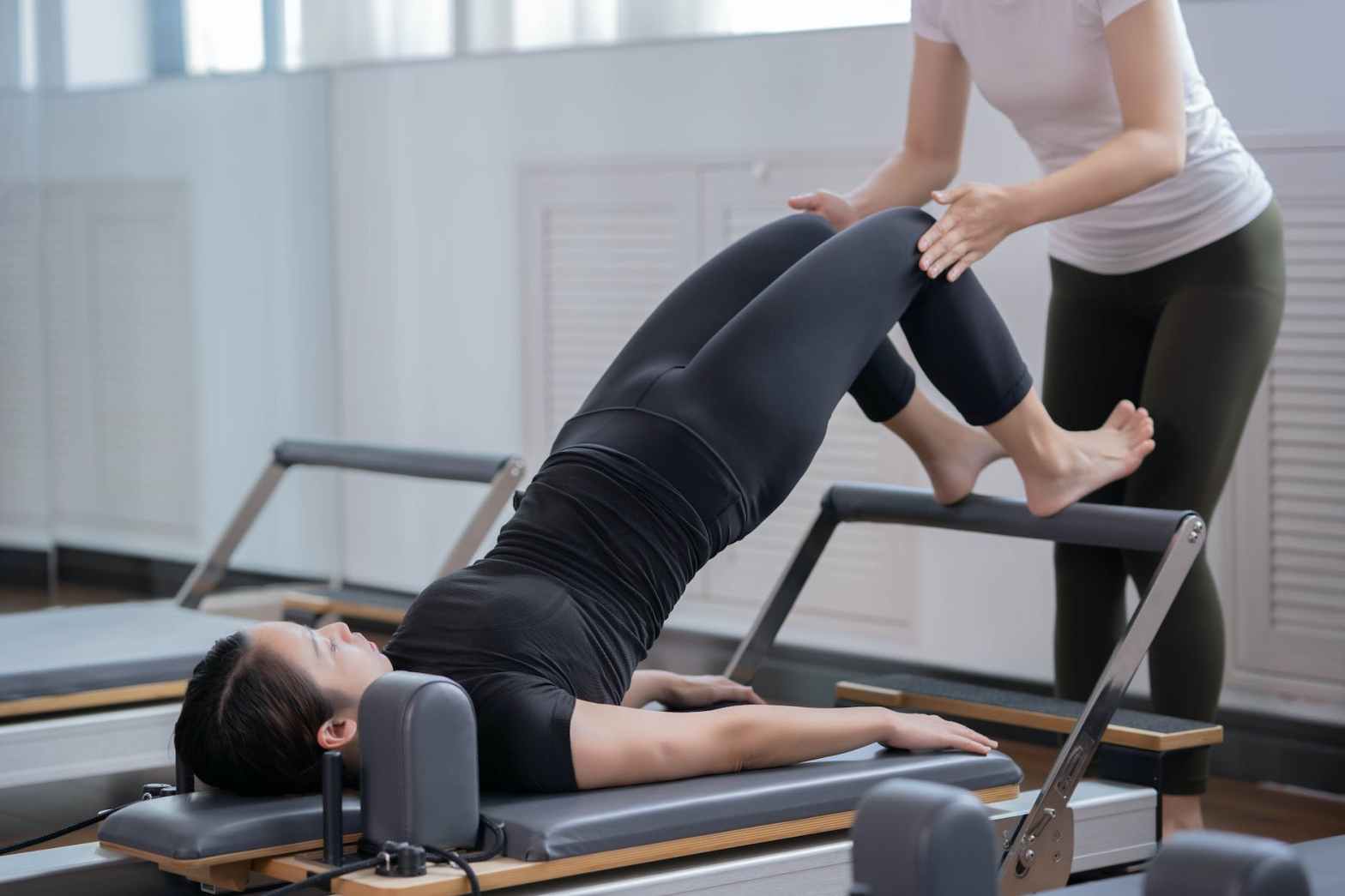
- Tailored Workouts: Work with a qualified Pilates instructor who can create a personalized program that focuses on strengthening the muscles around the injured area while avoiding movements that may exacerbate your condition.
- Progressive Rehabilitation: Pilates is ideal for gradual rehabilitation. As your condition improves, your instructor can modify your routine, helping you regain full function.
Preventing Back Injuries
If you haven’t experienced a back injury, Pilates can be an excellent proactive approach to preventing one:
- Regular Practice: Consistent Pilates practice can help maintain a strong and resilient back, reducing the risk of injury.
- Mindful Movement: Use the mind-body connection developed through Pilates to be aware of your movements in everyday life, such as lifting heavy objects or maintaining good posture during prolonged sitting.
- Stay Active: Combining Pilates with other forms of exercise, such as cardiovascular workouts, can help keep your body and back in top shape.
Final Thoughts
Pilates is not a one-size-fits-all solution for back injuries. For those with existing injuries or ongoing discomfort, it’s crucial to work under the guidance of a healthcare professional and a certified Pilates instructor. Together, they can help design a program that specifically addresses your needs.
For those looking to prevent future back injuries or maintain a healthy, strong spine, Pilates is an invaluable ally. Its gentle yet effective approach can empower you with the tools needed for a lifetime of back health. Embrace the healing power of Pilates and let it guide you toward a pain-free and active life.
 Pole-ates Playhouse