Pole-ates Playhouse – Your Hub for Mindful Movement
Pole dancing has emerged as an empowering and artistic form of fitness, captivating the interest of many. If you’re curious about pole dancing or considering it as a fitness option, you might be wondering, “Is pole dancing hard?” In this blog post, we’ll delve into the world of pole dance, demystify its challenges, and highlight the incredible rewards it offers.
The Complexity of Pole Dancing
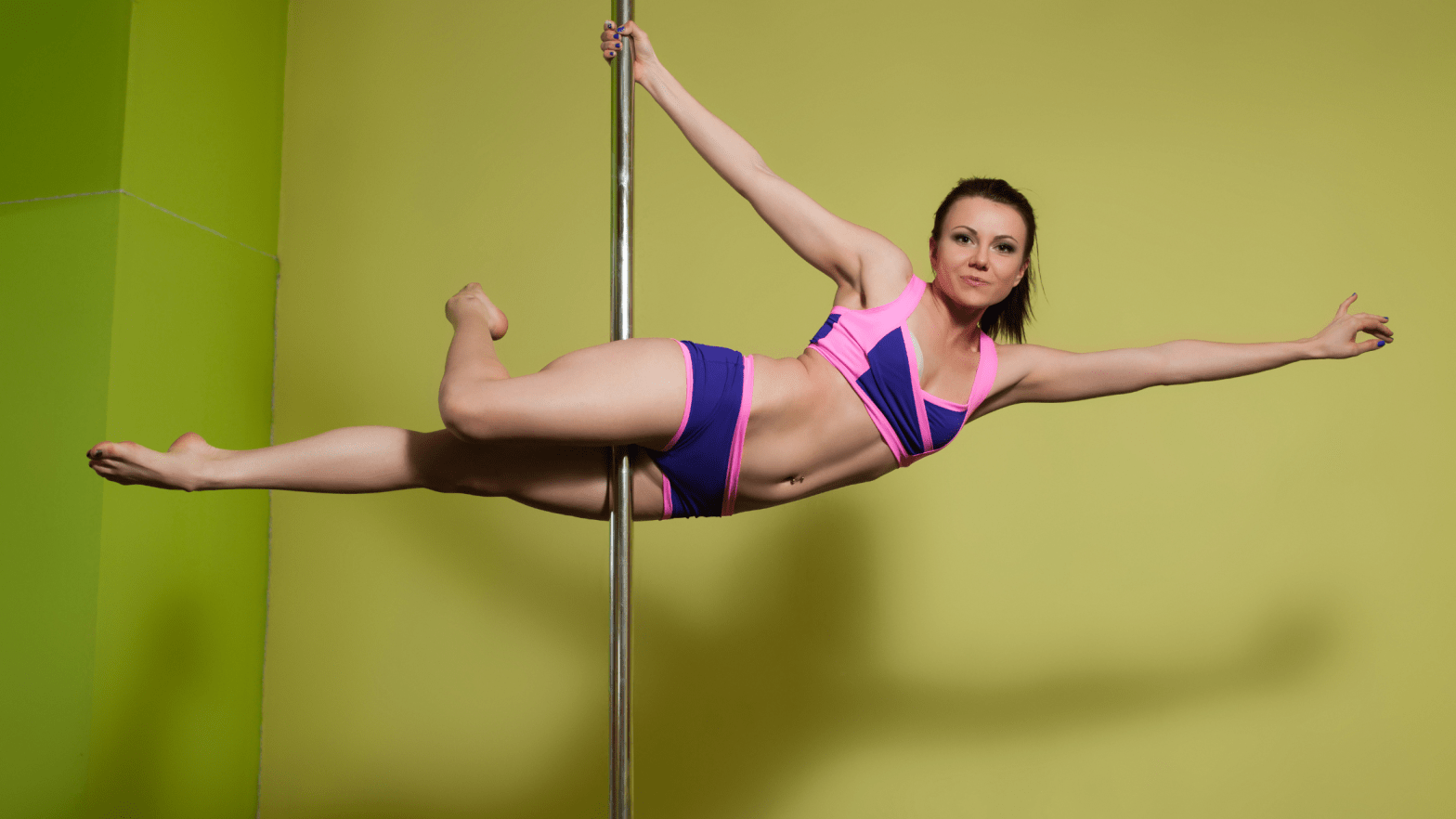
Pole dancing is an art form that combines strength, flexibility, grace, and creativity. The perception of its difficulty varies from person to person, influenced by factors like experience, fitness level, and personal goals. Here’s a closer look at what makes pole dancing challenging:
1. Strength and Conditioning: Pole dancing demands a considerable amount of upper body, core, and lower body strength. Climbing, inverting, and holding poses on the pole require muscular endurance and control. However, pole dancing itself is an excellent way to build this strength gradually.
2. Technique and Coordination: Learning the proper techniques for spins, holds, and transitions can be challenging, especially for beginners. It takes time to develop the coordination needed to execute moves smoothly.
3. Flexibility: Pole dance encourages flexibility, but some moves may require significant levels of flexibility. As you progress in your practice, you’ll work on increasing your range of motion.
4. Confidence and Body Image: Pole dancing is a wonderful tool for boosting confidence and promoting positive body image. However, for some, the initial journey may involve overcoming self-doubt and embracing the unique challenges.
5. Patience and Perseverance: Like any form of dance or fitness, mastering pole dance takes patience and dedication. It’s normal to face challenges along the way, but the sense of accomplishment when you conquer them is immensely rewarding.
The Rewards of Pole Dancing
While pole dancing can be challenging, its rewards are equally remarkable:
1. Total Body Workout: Pole dancing provides a complete workout that engages multiple muscle groups simultaneously, helping you build strength and increase flexibility.
2. Confidence and Empowerment: Pole dancing empowers individuals by promoting self-confidence, body positivity, and a sense of achievement as you conquer new moves and routines.
3. Creativity and Expression: Pole dance is an art form that allows for creative expression through choreography and freestyle dance, making it a unique and fulfilling fitness experience.
4. Supportive Community: Many pole dancing studios foster a supportive and inclusive community where you can connect with like-minded individuals and share your journey.
5. Stress Relief: Dancing can be a great stress reliever, helping you unwind and release tension.
6. Increased Body Awareness: Pole dance promotes enhanced body awareness, alignment, and proprioception, contributing to better posture and body control.
In Conclusion
Is pole dancing hard? Like any physical activity, it presents challenges, but it’s also a deeply rewarding and empowering experience. The level of difficulty is often subjective and can be tailored to your goals and preferences. As you embrace the challenges and celebrate your achievements, you’ll discover the incredible journey that pole dance offers.
 Pole-ates Playhouse