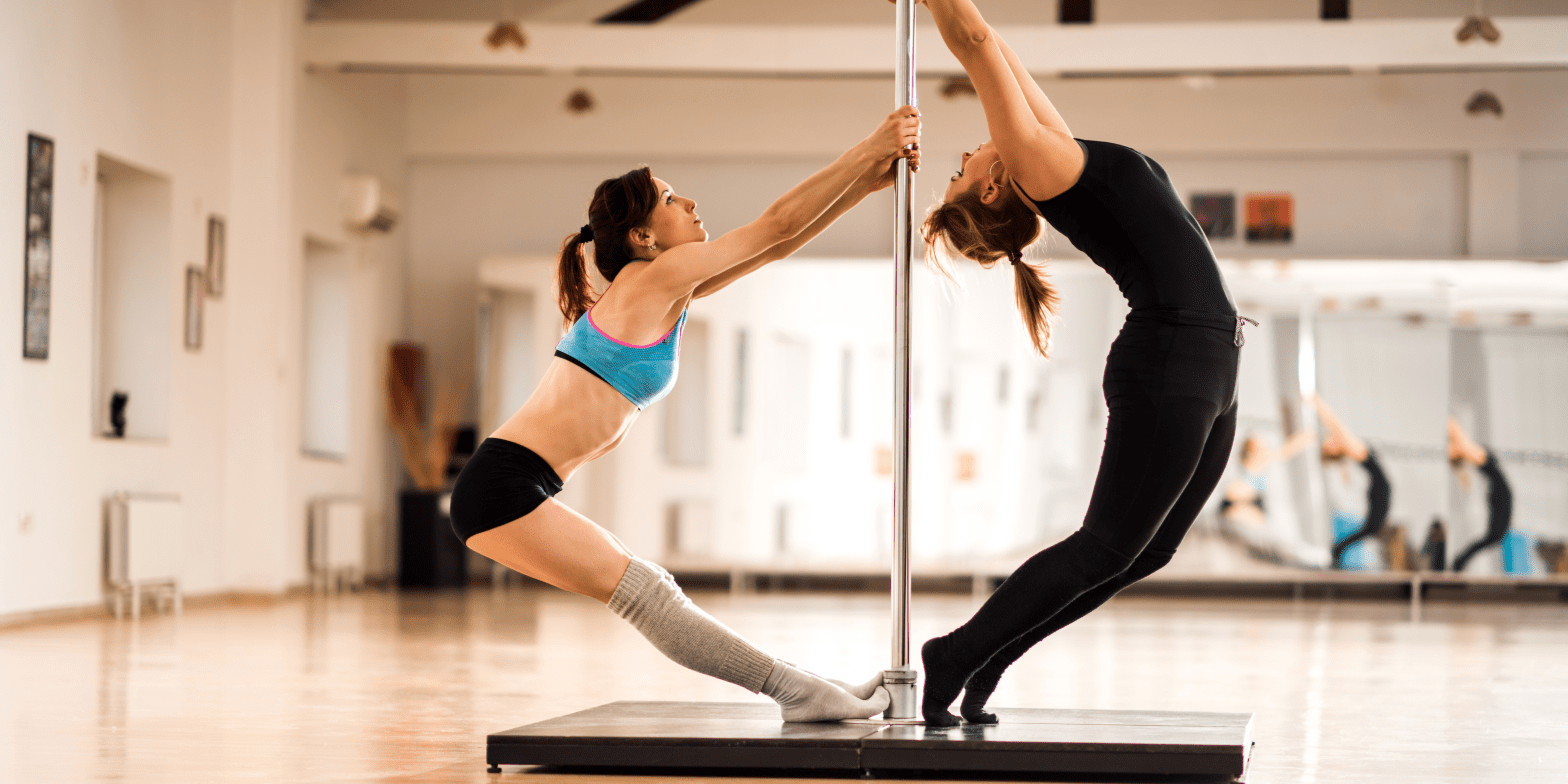
Pole dance is a mesmerizing art form that combines strength, grace, and self-expression. While many individuals learn pole dance in studios with the guidance of experienced instructors, it’s entirely possible to teach yourself this captivating discipline at home. In this blog post, we’ll share valuable tips and insights to help you embark on a self-taught pole dance journey successfully.
1. Safety First
Before you even start, safety should be your top priority. Here’s how to ensure a safe practice:
- Proper Installation: Ensure your pole is securely installed according to the manufacturer’s guidelines. Follow all safety instructions, including weight limits and installation height.
- Spotter or Crash Mat: Have a spotter, preferably someone experienced in pole dance, with you during challenging moves. Alternatively, use a crash mat to minimize the risk of injury.
- Warm-Up and Cool-Down: Always warm up your body before practicing and incorporate a thorough cool-down session after each practice to prevent muscle strains and injuries.
- Proper Attire: Wear appropriate clothing that allows skin contact with the pole for grip. Pole shorts and a sports bra or tank top are common choices.
2. Gather Resources
To teach yourself pole dance effectively, gather the necessary resources:
- Pole: Invest in a high-quality pole designed for home use. Seek recommendations and ensure it’s compatible with your ceiling height and type.
- Learning Materials: Access online resources such as instructional videos, tutorials, and written guides. Many professional pole dancers and studios offer online classes that you can follow from home.
- Mirror: Set up a full-length mirror in your practice area to monitor your form and alignment.
3. Establish a Practice Space
Designate a specific area in your home for pole practice. Ensure it’s clear of obstacles and offers enough space for you to move safely. The space should be well-lit and well-ventilated.
4. Start with the Basics
Begin your self-taught pole dance journey by mastering the basics:
- Grips and Holds: Learn different hand grips and holds used in pole dance, as these are fundamental for control and stability.
- Basic Spins: Start with simple spins to get comfortable with the pole’s movement and build confidence.
- Floorwork: Incorporate floorwork into your practice to add grace and fluidity to your dance.
5. Progress Gradually
As you build strength, flexibility, and skill, gradually progress to more advanced moves. Be patient with yourself and avoid attempting advanced tricks too soon to prevent injuries.
6. Record Yourself
Recording your practice sessions can be incredibly beneficial. It allows you to review your form, pinpoint areas that need improvement, and track your progress over time.
7. Join Online Communities
Connect with the global pole dance community through online forums, social media groups, and platforms like Instagram and TikTok. You can find inspiration, ask questions, and share your journey with like-minded individuals.
8. Seek Feedback
If possible, get feedback from experienced pole dancers or instructors. Share your practice videos or ask questions in online communities to receive constructive feedback and guidance.
9. Stay Consistent and Patient
Consistency is key to mastering pole dance. Dedicate regular practice time to develop your skills and build strength. Be patient with yourself, as progress may be slow at times, but every small achievement is a step forward.
10. Embrace Self-Expression
Pole dance is not just about physical skills; it’s also a form of self-expression. Embrace your unique style and tell your story through your dance.
Conclusion
Teaching yourself pole dance at home is an empowering and rewarding journey. By prioritizing safety, gathering resources, and staying dedicated to practice, you can master this mesmerizing art form at your own pace. Remember that pole dance is not just about the tricks; it’s about embracing your inner strength, self-expression, and personal growth. So, start your pole dance journey with confidence and enjoy the beauty of self-discovery through dance.
 Pole-ates Playhouse