Introduction
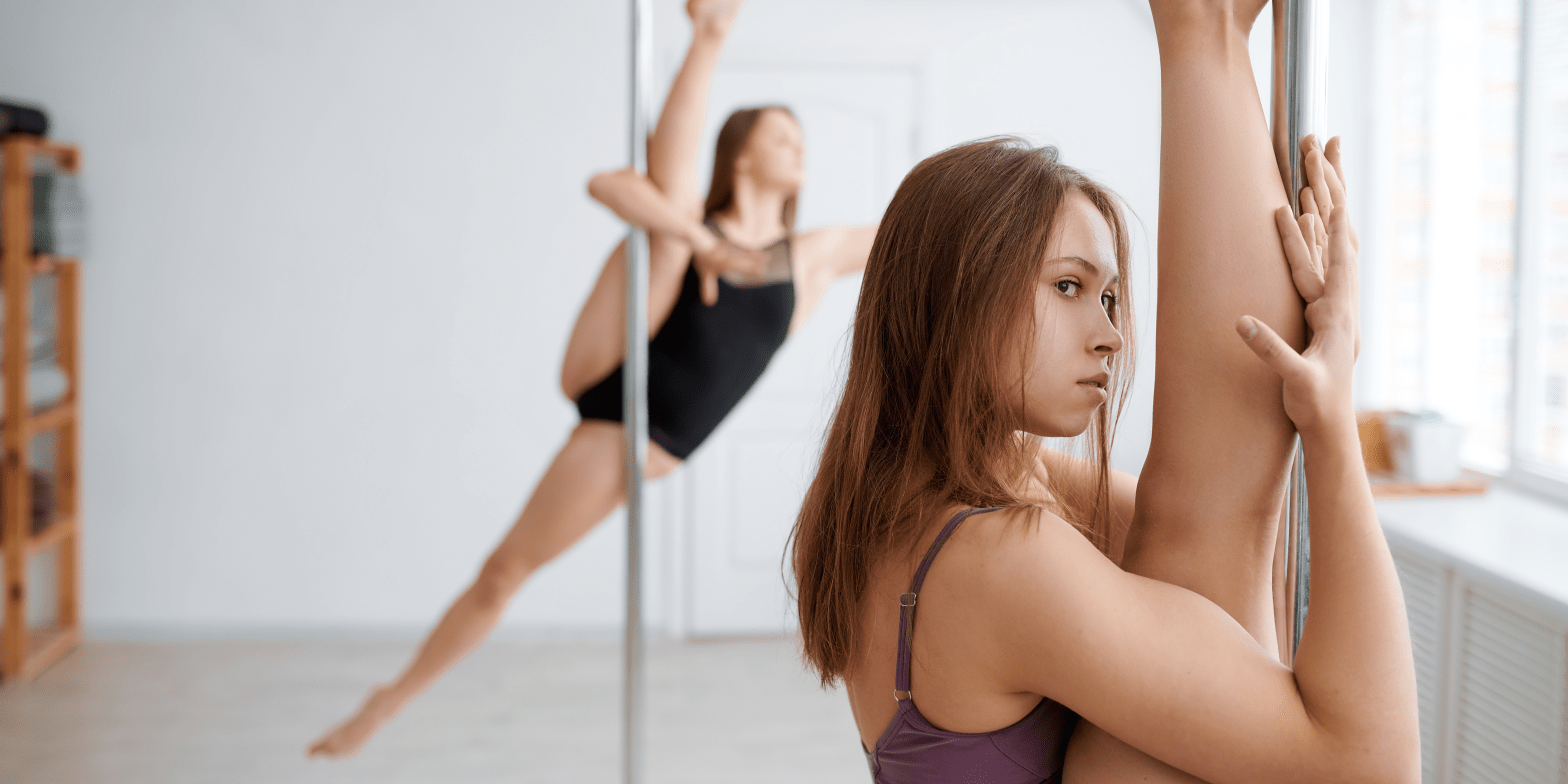
Pole dance has emerged from the shadows and into the spotlight as an empowering form of artistic expression and physical fitness. However, many people still have questions and misconceptions about this captivating discipline. In this blog post, we’ll address some of the most common questions about pole dance, providing clarity and insight into this dynamic and transformative art form.
1. Is Pole Dance Only for Strippers?
No, pole dance is not exclusive to the world of adult entertainment. While it does have roots in exotic dance, pole dance has evolved into a versatile form of artistic expression and fitness. Many individuals, including athletes, performers, and fitness enthusiasts, practice pole dance for its physical, mental, and emotional benefits.
2. Is Pole Dance Appropriate for All Ages and Body Types?
Yes, pole dance is suitable for individuals of all ages and body types. Many studios offer classes tailored to different fitness levels, including beginners, intermediate, and advanced practitioners. Pole dance celebrates diversity and inclusivity, welcoming participants from all walks of life.
3. Do I Need Prior Dance or Fitness Experience to Start Pole Dance?
No prior dance or fitness experience is required to start pole dance. Pole dance classes are designed to accommodate beginners and gradually progress in difficulty as you gain skills and confidence. Instructors provide guidance and support to ensure a positive and safe learning experience.
4. Will Pole Dance Make Me Stronger?
Absolutely! Pole dance is an excellent full-body workout that builds strength, particularly in the upper body, core, and lower body. As you progress, you’ll notice increased muscle tone, flexibility, and endurance. Pole dance is a fun and effective way to improve overall physical fitness.
5. Is Pole Dance Only About Physical Fitness?
Pole dance offers a holistic approach to wellness. While it provides an excellent physical workout, it also promotes mental and emotional well-being. Many practitioners find that pole dance enhances self-confidence, body positivity, and self-expression. It can be a powerful form of self-care and empowerment.
6. What Kind of Clothing Should I Wear for Pole Dance?
Wear comfortable workout clothing that allows for freedom of movement. Shorts and a sports bra or tank top are ideal, as they provide skin-to-pole contact for better grip. Some dancers choose to wear pole dance-specific attire like pole shorts and leg warmers, but it’s not a requirement.
7. Is Pole Dance Safe?
When practiced under the guidance of a qualified instructor in a reputable studio, pole dance is safe. Instructors prioritize safety and teach proper techniques to minimize the risk of injury. Participants often work in pairs or groups, providing support and spotting during challenging moves.
8. How Long Does It Take to Learn Pole Dance Moves?
The time it takes to learn pole dance moves varies from person to person. It depends on factors such as individual fitness levels, practice frequency, and the complexity of the moves. Most beginners start with basic spins and holds and gradually progress to more advanced tricks and routines.
Conclusion
Pole dance is a vibrant and multifaceted discipline that transcends stereotypes and misconceptions. It offers a supportive and empowering community for individuals of all backgrounds and fitness levels. Whether you’re interested in physical fitness, artistic expression, or personal growth, pole dance has something unique and transformative to offer. If you’ve had questions or hesitations about pole dance, now is the perfect time to explore this captivating and empowering art form.
 Pole-ates Playhouse