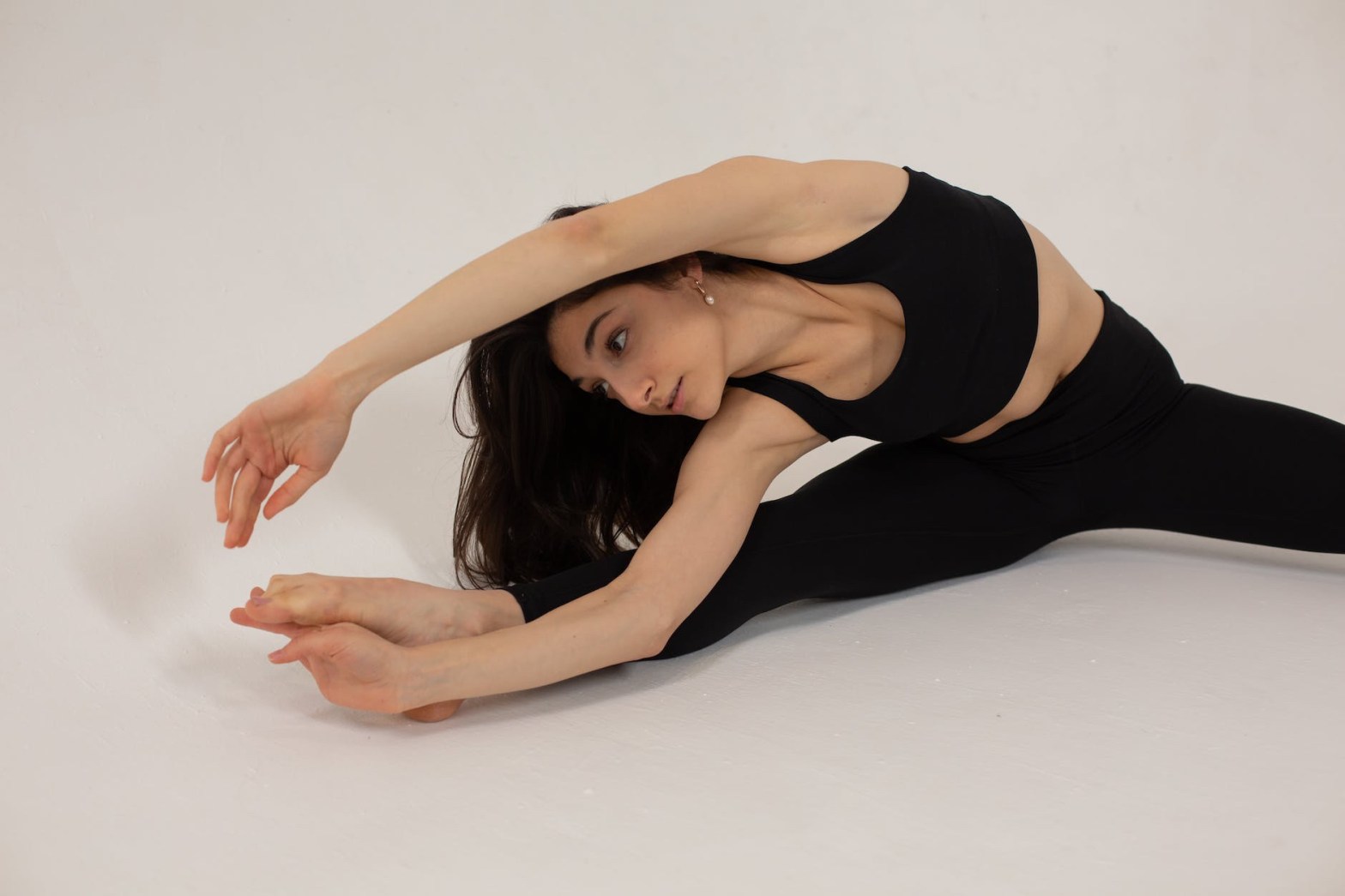
The hips play a vital role in our overall movement and posture, and keeping them flexible and mobile is essential for maintaining a healthy body. Whether you spend long hours sitting or engage in physical activities like running or dancing, incorporating hip opening stretches into your routine can help relieve tension, improve flexibility, and enhance your range of motion. Here are four of the best hip opening stretches to incorporate into your fitness or stretching routine.
1. Pigeon Pose (Eka Pada Rajakapotasana):
Pigeon pose is a classic yoga pose that targets the outer hips and glutes, providing a deep stretch and release. Here’s how to perform the pose:
- Start in a high plank position.
- Bring your right knee forward, placing it behind your right wrist.
- Extend your left leg behind you, keeping the top of your foot on the mat.
- Slowly lower your torso down, resting your forearms on the mat or using a block for support.
- Hold the stretch for 30-60 seconds, breathing deeply.
- Repeat on the other side.
Pigeon pose can help release tension in the hip rotators and outer hips, improving flexibility and relieving discomfort caused by prolonged sitting or tight muscles.
2. Butterfly Stretch (Baddha Konasana):
The butterfly stretch is a simple yet effective stretch that targets the inner thighs and groin muscles, promoting hip flexibility. Follow these steps to perform the stretch:
- Sit on the floor and bring the soles of your feet together, allowing your knees to fall out to the sides.
- Hold onto your ankles or feet with your hands.
- Keeping your spine straight, gently press your knees down towards the floor.
- Hold the stretch for 30-60 seconds, breathing deeply.
- Gradually increase the stretch over time by gently pressing your knees closer to the floor.
Butterfly stretch helps release tension in the hip adductors, improving your range of motion and preparing your hips for various activities, including dance and sports.
3. Low Lunge (Anjaneyasana):
Low lunge is a dynamic stretch that targets the hip flexors while also stretching the quads and hamstrings. Here’s how to perform the stretch:
- Start in a high plank position.
- Step your right foot forward between your hands, aligning your right knee directly over your ankle.
- Lower your left knee to the floor and untuck your toes.
- Keep your torso upright, engaging your core.
- Sink your hips forward and down, feeling the stretch in your left hip flexor.
- Hold the stretch for 30-60 seconds, breathing deeply.
- Repeat on the other side.
Low lunge can help release tightness in the hip flexors, which can become shortened and tight from prolonged sitting or activities that involve repetitive hip flexion.
4. Figure Four Stretch:
The figure four stretch targets the glutes, hips, and lower back, providing a deep stretch and relief. Here’s how to perform the stretch:
- Lie on your back with your knees bent and feet flat on the floor.
- Cross your right ankle over your left thigh, just above the knee.
- Reach through the gap created by your legs and interlace your hands behind your left thigh.
- Gently pull your left thigh towards your chest until you feel a stretch in your right glute and hip.
- Hold the stretch for 30-60 seconds, breathing deeply.
- Repeat on the other side.
The figure four stretch helps release tension in the glutes and outer hips, promoting flexibility and alleviating discomfort caused by tight muscles.
Incorporating these hip opening stretches into your fitness or stretching routine can bring immense benefits to your flexibility, mobility, and overall hip health. Remember to warm up before performing these stretches and listen to your body, avoiding any movements that cause pain or discomfort. With consistency and regular practice, you’ll experience increased hip mobility and enjoy a greater range of motion in your daily activities.
 Pole-ates Playhouse